
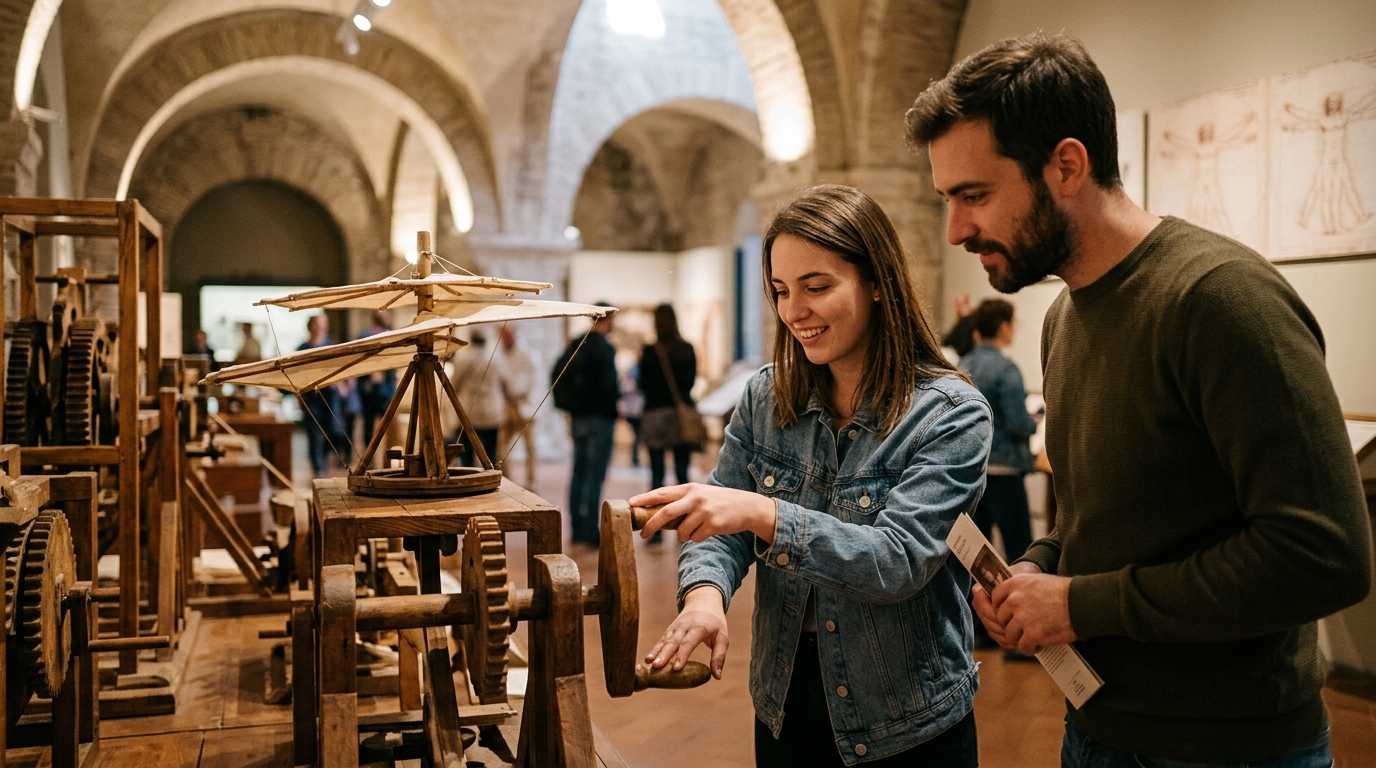
Rome stands as the undisputed capital of Western art and ancient history, drawing millions of visitors annually to its sprawling cultural institutions. According to recent tourism data, the city attracts over 10 million international visitors every year, with museum attendance serving as a primary driver for this massive influx of global tourism. Understanding which institutions offer the highest value requires navigating a landscape filled with world-renowned galleries, underground archaeological sites, and specialized thematic museums. This guide breaks down the essential stops for any itinerary, ensuring you experience the depth of Roman heritage without missing the hidden gems. (Museo Leonardo da Vinci)
The Vatican Museums: Renaissance Masterpieces
No discussion of Rome's cultural landscape is complete without addressing the Vatican Museums. This complex is not a single building but a network of galleries housing one of the world's most significant art collections. The sheer scale of the collection is staggering, with over 70,000 works in total, though only a fraction are on display at any given time. Visitors typically spend between three to four hours navigating these halls, moving from the Pinacoteca to the Sistine Chapel.
The highlight for most travelers is undoubtedly the Sistine Chapel. Michelangelo's ceiling frescoes are widely considered the pinnacle of High Renaissance art. The visual impact of the Creation of Adam scene remains unmatched in art history. However, the crowds can be intense, particularly during peak season. Booking skip-the-line tickets is not just a recommendation; it is a necessity for a viable visit.
Another critical component of the Vatican experience is the Gallery of Maps. This corridor features intricate frescoes of Italian geography painted in the 16th century. The detail in these maps provides a fascinating glimpse into how the Renaissance world viewed its own geography. It serves as a perfect bridge between the artistic and scientific interests of the era.
Capitoline Museums: Ancient Rome's Heart
Located on the Capitoline Hill, the Capitoline Museums hold the title of the world's oldest public museums. Established in 1471 by Pope Sixtus IV, they were originally gifted to the people of Rome with a collection of ancient bronze statues. This historical context is vital for understanding the museum's mission to preserve classical antiquity for public education.
The museum is divided into three palaces surrounding Michelangelo's iconic Piazza del Campidoglio. The central palace, Palazzo dei Conservatori, houses the famous bronze statue of the Capitoline Wolf. This symbol of Rome's founding myth is a powerful emblem of the city's identity. The wolf nursing Romulus and Remus is a must-see for anyone interested in Roman mythology and history.
Beyond the bronzes, the museum offers an extensive collection of marble statues, inscriptions, and artifacts from the Imperial period. The equestrian statue of Marcus Aurelius is particularly notable because it is one of the few surviving bronze statues from classical antiquity. The original is kept in a climate-controlled room to protect it from pollution, while a replica stands in the piazza. This preservation effort highlights the ongoing challenge of maintaining ancient heritage in a modern urban environment.
Museo Leonardo da Vinci: Interactive Genius
While Rome is dominated by ancient and Renaissance art, the Museo Leonardo da Vinci offers a unique perspective on the polymath's scientific and engineering mind. Located in the underground vaults of the Basilica Santa Maria del Popolo, this museum provides an immersive experience into Leonardo's creative process. The museum is the most popular dedicated Leonardo museum in Rome, making it a great stop for families and history enthusiasts alike.
Leonardo da Vinci is defined as a master artist and inventor who bridged the gap between art and science. His work in Florence at age 18 set the stage for his later contributions to anatomy, engineering, and optics. The museum brings his 2D sketches to life through large-scale, interactive 3D models. This approach allows visitors to see how his theoretical designs for flying machines, tanks, and bridges actually functioned.
The location itself is significant. Situated at the end of Via del Corso, the museum is only a five-minute walk from the Spanish Steps. This central location makes it easily accessible for tourists exploring the historic center. The underground setting provides a quiet, contemplative atmosphere that contrasts with the bustling streets above. It is a must-see stop on the Rome itinerary for those interested in the intersection of creativity and technology.
Palazzo Altemps: Classical Sculpture
Part of the National Roman Museum, Palazzo Altemps is a hidden gem for sculpture lovers. The palace itself is a masterpiece of Renaissance architecture, but the collection inside is the true draw. It houses some of the finest examples of classical Greek and Roman sculpture in existence.
The Ludovisi Collection is the centerpiece of the museum. This group of sculptures includes the famous Ludovisi Gaul and the Boxer at Rest. These works depict the raw emotion and physicality of ancient combat. The detail in the musculature and the expressions of pain and exhaustion is remarkable. It offers a humanizing look at the ancient world that is often lost in grand historical narratives.
The museum also features the courtyard with the Colossus of Barletta. This massive bronze statue stands as a testament to the scale of imperial portraiture. The juxtaposition of the grand courtyard with the intimate galleries inside creates a dynamic visitor experience. It is a perfect example of how the National Roman Museum utilizes different historic buildings to showcase the breadth of Roman art.
Comparing Museum Experiences
Choosing the right museums depends on your specific interests and time constraints. The table below summarizes the key characteristics of the top recommendations.
| Museum Name | Primary Focus | Best For | Estimated Duration |
|---|---|---|---|
| Vatican Museums | Renaissance Art & Sistine Chapel | Art historians and first-time visitors | 3-4 hours |
| Capitoline Museums | Ancient Roman Statues & History | History buffs and mythology fans | 2-3 hours |
| Museo Leonardo da Vinci | Interactive Engineering & Inventions | Families and tech enthusiasts | 1-2 hours |
| Palazzo Altemps | Classical Sculpture | Sculpture lovers and quiet exploration | 1-2 hours |
Key Takeaways
- The Vatican Museums house over 70,000 works, with the Sistine Chapel being the primary draw for global tourism.
- The Capitoline Museums, established in 1471, are the world's oldest public museums and feature the iconic Capitoline Wolf.
- Museo Leonardo da Vinci offers interactive 3D models of inventions, located in the underground vaults of Santa Maria del Popolo.
- Palazzo Altemps contains the Ludovisi Collection, including the Boxer at Rest, a masterpiece of Hellenistic sculpture.
- Booking skip-the-line tickets for the Vatican is essential to avoid multi-hour waits during peak tourist seasons.
- Rome attracts over 10 million international visitors annually, making early planning crucial for museum access.
- The National Roman Museum utilizes multiple historic palaces to display its extensive collection of classical art.
Frequently Asked Questions
How long does it take to visit the Vatican Museums?
Most visitors spend between three to four hours in the Vatican Museums. This time allows for a thorough walk through the galleries and a moment to appreciate the Sistine Chapel without rushing. However, the sheer volume of art means you could easily spend a full day there if you are an art enthusiast.
Is the Museo Leonardo da Vinci suitable for children?
Yes, the museum is highly suitable for children. The interactive 3D models of Leonardo's machines allow kids to see how his inventions worked. It transforms abstract historical concepts into tangible, engaging experiences. It is widely considered a great stop for families on their Rome itinerary.
What is the best time to visit the Capitoline Museums?
Early morning or late afternoon is best to avoid crowds. The museum is located on a hill, offering great views of the Roman Forum. Visiting during these times allows for a more peaceful appreciation of the ancient statues and the historic architecture of the piazza.
Do I need to book tickets for Palazzo Altemps in advance?
Palazzo Altemps is part of the National Roman Museum. While it is less crowded than the Vatican, booking in advance is still recommended during peak season. The museum offers a combined ticket option with other National Roman Museum sites, providing better value for visitors planning to see multiple locations.
Where is the Museo Leonardo da Vinci located?
The museum is located at the end of Via del Corso, in the underground vaults of the Basilica Santa Maria del Popolo. It is just a five-minute walk from the Spanish Steps. This central location makes it easily accessible for tourists exploring the historic center of Rome.
What makes the Capitoline Wolf statue significant?
The Capitoline Wolf is a symbol of Rome's founding myth. It depicts the she-wolf nursing the twin brothers Romulus and Remus. The statue is ancient, likely Etruscan in origin, and has been a powerful emblem of the city's identity for centuries. It is the centerpiece of the Capitoline Museums collection.
Can I see the original Mona Lisa in Rome?
No, the original Mona Lisa is housed in the Louvre Museum in Paris. However, the Museo Leonardo da Vinci in Rome features detailed studies and models related to Leonardo's life and work. It provides deep insight into the mind behind the Mona Lisa without the need to travel to France.
Plan Your Visit
Exploring Rome's museums requires strategic planning to maximize your time and enjoyment. Whether you are drawn to the grandeur of the Vatican, the ancient power of the Capitoline Hill, or the intellectual curiosity of Leonardo da Vinci, each institution offers a unique window into the past. Do not miss the opportunity to immerse yourself in the interactive world of the Museo Leonardo da Vinci. Book your tickets today to secure your place in the heart of Rome's cultural heritage.