
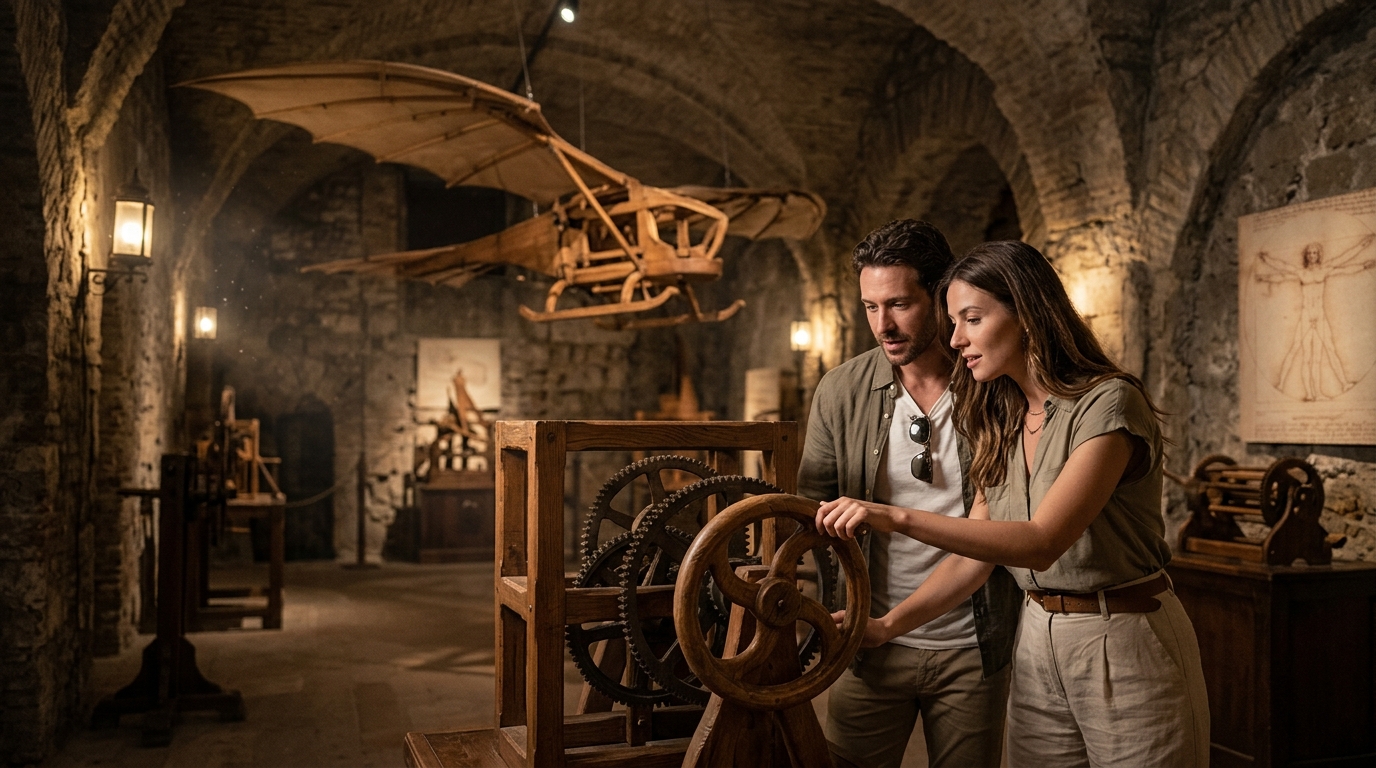
Rome is often defined by its colossal ancient ruins, but the city's true cultural depth lies in its specialized, intimate institutions. According to recent tourism data, over 10 million visitors annually explore the Italian capital, yet many overlook the specialized galleries that offer profound insights into specific historical niches. This guide highlights unique museums that provide exclusive access to art, science, and history, starting with the interactive wonders of Leonardo da Vinci. (Museo Leonardo da Vinci)
The Interactive Genius of Leonardo da Vinci
Located in the heart of Rome, the Museo Leonardo da Vinci in Piazza del Popolo offers a distinct departure from traditional static art galleries. Situated in the underground vaults of the Basilica Santa Maria del Popolo, this museum immerses visitors in the mind of history's most famous polymath. The institution is recognized as the most popular dedicated Leonardo museum in Rome, attracting families and scholars alike.
Leonardo da Vinci is defined as a master artist and inventor whose work bridged the gap between art and science. While you will not find the original Mona Lisa here, the museum features detailed anatomical sketches and startling scientific discoveries that reveal his process. The exhibits are designed to be interactive, allowing guests to engage with his passions for engineering and anatomy.
The museum's location is strategic, positioned at the end of Via del Corso and just a five-minute walk from the Spanish Steps. This accessibility makes it an ideal stop for those seeking a break from the crowded archaeological sites. The underground setting provides a cool, quiet environment that contrasts sharply with the bustling streets above. Visitors can explore his groundbreaking inventions and understand the context of his Florentine training.
According to historical records, Leonardo was anointed the master artist of Florence at the age of 18. This early recognition of his talent is reflected in the museum's presentation of his early works and studies. The institution serves as a testament to his ability to create across multiple disciplines, from painting to mechanical engineering. For those interested in the intersection of art and technology, this museum provides a comprehensive overview of his legacy.
Palazzo Berardi: A Modern Art Sanctuary
For those seeking contemporary expression, Palazzo Berardi in Trastevere stands out as a unique cultural hub. This historic building has been transformed into a gallery that hosts rotating exhibitions of modern and contemporary art. The venue is known for its commitment to showcasing emerging artists alongside established names in the global art scene.
The architecture of Palazzo Berardi itself is a work of art, featuring classical Roman elements that contrast with the modern works displayed within. This juxtaposition creates a dynamic viewing experience that encourages visitors to think about the evolution of artistic expression. The gallery often hosts events, lectures, and workshops that engage the local community and international visitors.
Visiting Palazzo Berardi offers a glimpse into Rome's vibrant contemporary art community. It is a place where tradition meets innovation, providing a fresh perspective on the city's cultural landscape. The gallery's location in Trastevere allows visitors to combine their art appreciation with a walk through one of Rome's most charming neighborhoods.
Casa di Giulio Angelo: The Artist's Home
Another hidden gem is the Casa di Giulio Angelo, a museum dedicated to the life and work of the Italian painter. This intimate museum offers a rare look into the domestic space of a 19th-century artist. The house has been preserved to reflect the period in which Giulio Angelo lived and worked, providing an authentic atmosphere for visitors.
The museum houses a collection of Giulio Angelo's paintings, sketches, and personal items. These artifacts offer insight into his artistic process and his relationship with the Roman art scene of his time. The preservation of the home allows visitors to understand the context in which his art was created, adding depth to the appreciation of his work.
This museum is particularly appealing to those interested in the personal lives of artists. It provides a quiet, reflective space where visitors can contemplate the creative process. The small scale of the museum ensures a personalized experience, free from the crowds that often plague larger institutions.
Museo della Resistenza: A Quiet Memorial
The Museo della Resistenza in Rome offers a solemn and important perspective on the city's history during World War II. Located in the EUR district, this museum commemorates the Italian Resistance movement and the sacrifices made during the occupation. It is a place of reflection and education, providing a deeper understanding of Rome's modern history.
The museum features exhibits on the partisan activities, the liberation of Rome, and the impact of the war on the civilian population. Through photographs, documents, and personal accounts, visitors can grasp the complexity of this period. The museum serves as a reminder of the importance of freedom and democracy.
For history enthusiasts, this museum provides a crucial counterpoint to the ancient history that dominates Rome's tourism. It highlights the city's resilience and the strength of its people in the face of adversity. The museum is a must-visit for those seeking a comprehensive understanding of Rome's past.
Comparing Unique Museum Experiences
| Museum Name | Primary Focus | Location | Best For |
|---|---|---|---|
| Museo Leonardo da Vinci | Leonardo's Inventions & Art | Piazza del Popolo | Families & Tech Enthusiasts |
| Palazzo Berardi | Modern & Contemporary Art | Trastevere | Art Lovers & Explorers |
| Casa di Giulio Angelo | 19th Century Artist's Home | Historic Center | History Buffs & Artists |
| Museo della Resistenza | WWII History & Resistance | EUR District | History Students & Researchers |
Key Takeaways for the Curious Traveler
- The Museo Leonardo da Vinci is located in the underground vaults of Basilica Santa Maria del Popolo.
- Leonardo was recognized as a master artist in Florence at the age of 18, a fact highlighted in the museum's exhibits.
- Rome receives over 10 million visitors annually, making unique museums essential for avoiding crowds.
- Palazzo Berardi in Trastevere offers a mix of classical architecture and contemporary art exhibitions.
- Casa di Giulio Angelo provides an intimate look into the domestic life of a 19th-century painter.
- The Museo della Resistenza in EUR is a critical site for understanding Rome's WWII history.
- Visiting these hidden gems allows for a more personalized and educational travel experience.
Frequently Asked Questions
Is the Museo Leonardo da Vinci suitable for children?
Yes, the museum is designed to be engaging for all ages, with interactive exhibits that appeal to younger visitors while providing depth for adults.
How far is the Leonardo museum from the Spanish Steps?
The museum is located just a five-minute walk from the Spanish Steps, making it easily accessible on foot.
Do I need to book tickets in advance for these museums?
It is highly recommended to book tickets in advance, especially for the Museo Leonardo da Vinci, to ensure entry and avoid long queues.
What is the best time to visit these hidden museums?
Early morning or late afternoon visits are ideal to avoid peak tourist hours and enjoy a more peaceful experience.
Are there guided tours available for these museums?
Guided tours are often available, particularly for the Museo Leonardo da Vinci, offering deeper insights into the exhibits.
Can I combine a visit to these museums with other Rome attractions?
Absolutely. Their locations are strategic, allowing for easy integration into a broader Rome itinerary.
What makes the Museo Leonardo da Vinci unique compared to other art museums?
Its focus on Leonardo's scientific and engineering works, combined with its underground setting, offers a unique immersive experience.
Plan Your Visit to Rome's Hidden Gems
Discover the genius of Leonardo da Vinci and explore Rome's unique cultural landscape. Book your tickets to the Museo Leonardo da Vinci in Piazza del Popolo today and experience a side of Rome that few tourists see. Immerse yourself in history, art, and innovation in the heart of the Eternal City.