
Rome stands as the undisputed capital of Western art history, hosting over 1,500 museums that span from ancient antiquities to modern installations. According to recent tourism data, the city attracts approximately 10 million international visitors annually, with cultural institutions serving as the primary driver for extended stays. This influx creates a unique challenge for travelers who must navigate a dense landscape of world-class galleries to find experiences that match their specific interests. Whether you are drawn to the Renaissance masters, ancient Roman engineering, or contemporary digital art, the capital offers a curated selection of venues that define the Italian heritage.
The Leonardo da Vinci Museum Experience
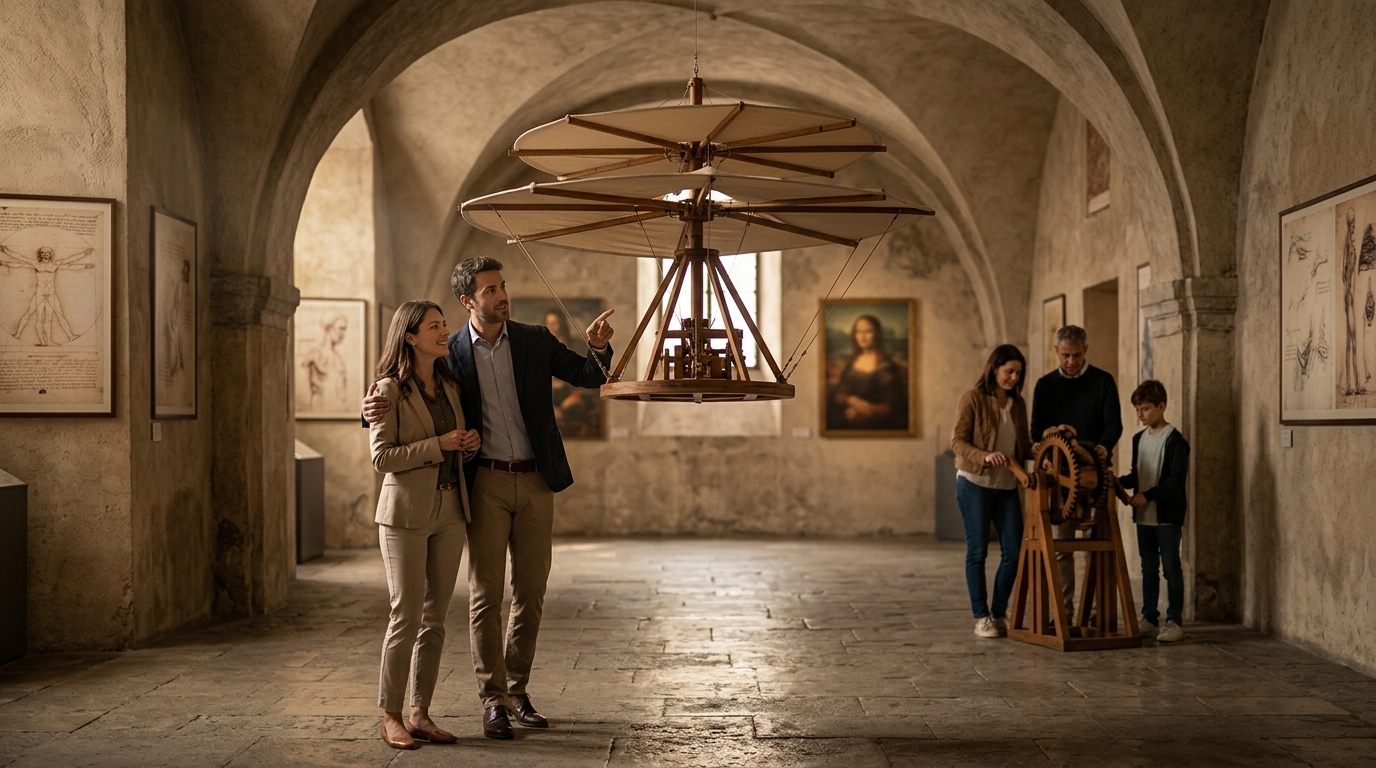
For those fascinated by the intersection of art and science, the Museo Leonardo da Vinci in Piazza del Popolo offers a distinct alternative to the traditional gallery model. Located in the underground vaults of the Basilica Santa Maria del Popolo, this institution focuses exclusively on the polymath's inventions and anatomical studies. The museum is widely recognized as the most popular dedicated Leonardo museum in Rome, providing an immersive look into the mind of the artist who was anointed master of Florence at age 18.
Unlike the Uffizi or the Louvre, this venue does not display original paintings. Instead, it utilizes high-fidelity 3D models and interactive displays to reconstruct his groundbreaking inventions, from flying machines to hydraulic pumps. This approach allows visitors to understand the scientific rigor behind his artistic genius. The location is strategically placed at the end of Via del Corso, making it an accessible stop for those exploring the historic center. National Geographic highlights the unique architectural setting that enhances the historical narrative of the exhibits.
The museum serves as a critical educational resource for understanding the Renaissance period. It bridges the gap between artistic expression and engineering innovation. Visitors often note that the underground setting provides a quiet, contemplative atmosphere that contrasts with the bustling streets above. This environment encourages deep engagement with the detailed anatomical sketches and scientific diagrams on display.
The Vatican Museums and Sistine Chapel
The Vatican Museums represent the largest collection of art in the world, housing over 70,000 pieces with 20,000 on permanent display. This complex is not merely a museum but a vast network of galleries, chapels, and courtyards that showcase the wealth and power of the Papacy. The Sistine Chapel, with its ceiling painted by Michelangelo, remains the crown jewel of the collection. Data from the Vatican indicates that the site receives nearly seven million visitors every year, making it one of the most visited cultural sites globally.
The journey through the museums is a chronological tour of Western art history. It begins with ancient sculptures and moves through the Renaissance masterpieces to the modern religious art sections. The Pinacoteca houses works by Raphael, Giotto, and Caravaggio. The strategic layout ensures that visitors encounter the most significant works in a logical sequence. Encyclopedia Britannica notes the historical significance of the papal collections that form the core of the museum's identity.
Visiting the Vatican requires careful planning due to the high volume of traffic. The museum offers timed entry tickets to manage the flow of guests. The experience is designed to be both educational and spiritually resonant. The architectural grandeur of the galleries, such as the Gallery of Maps, adds to the sense of awe. This venue is essential for any comprehensive tour of Rome's cultural landscape.
The Galleria Borghese
The Galleria Borghese is housed in the Villa Borghese Pinciana, a former hunting lodge turned art gallery. The collection was assembled by Cardinal Scipione Borghese in the early 17th century. It is renowned for its exceptional holdings of sculptures by Bernini and paintings by Caravaggio. The museum enforces a strict timed entry system, limiting visitors to two-hour slots to preserve the integrity of the space and the artworks.
The sculpture collection is particularly notable for its dynamic movement and emotional intensity. Bernini's "Apollo and Daphne" and "David" are centerpiece works that demonstrate the Baroque style at its peak. The painting gallery features Caravaggio's "David with the Head of Goliath" and "Saint Jerome Writing." These works are studied by art historians for their use of chiaroscuro and realistic depiction of the human form. Smithsonian Magazine highlights the intimate scale of the gallery which allows for close viewing of the masterpieces.
The setting within the Villa Borghese park provides a serene environment for art appreciation. The gardens surrounding the museum are a popular spot for locals and tourists alike. The combination of indoor art and outdoor space makes this a unique destination. The museum's focus on the Borghese collection ensures a cohesive narrative throughout the visit.
The Capitoline Museums
The Capitoline Museums, located on Capitoline Hill, are considered the oldest public museums in the world. Established in 1471 by Pope Sixtus IV, they were originally gifted with a collection of ancient bronze statues. The museum complex includes the Palazzo dei Conservatori, the Palazzo Nuovo, and the central Piazza del Campidoglio designed by Michelangelo. It serves as the symbolic heart of Rome and houses the iconic statue of the She-Wolf suckling Romulus and Remus.
The collection spans from the Republican era to the late Empire. Key highlights include the equestrian statue of Marcus Aurelius, which is displayed in a climate-controlled room to protect it from the elements. The museum also features the Dying Gaul and the Capitoline Venus. These works provide insight into Roman political propaganda and aesthetic values. History.com details the ancient origins of the museum and its role in preserving Roman heritage.
The location offers panoramic views of the Roman Forum and the Imperial Fora. This vantage point connects the art to its historical context. The museum is easily accessible and often less crowded than the Vatican or Borghese. It is an ideal starting point for understanding the political and religious history of ancient Rome. The architectural design of the piazza itself is a masterpiece of urban planning.
MAXXI: Contemporary Architecture
For a departure from classical art, the MAXXI museum in the Flaminio district offers a striking example of contemporary architecture. Designed by Zaha Hadid, the building itself is a work of art, characterized by its flowing concrete forms and dynamic spatial arrangements. MAXXI is dedicated to contemporary creativity, focusing on architecture and the arts. It hosts rotating exhibitions that challenge traditional narratives and explore new media.
The museum's collection includes works by international artists who push the boundaries of material and concept. The architecture facilitates a non-linear experience, encouraging visitors to move freely between galleries. This design reflects the museum's mission to promote innovation and critical thinking. Architectural Digest analyzes the structural innovation of the MAXXI building and its impact on modern museum design.
MAXXI is part of a broader cultural district in Rome that includes the Auditorium Parco della Musica. This area represents the city's commitment to modern culture alongside its ancient history. The museum provides a necessary counterpoint to the classical focus of the historic center. It appeals to a younger demographic and those interested in current global art trends.
Comparative Analysis of Top Venues
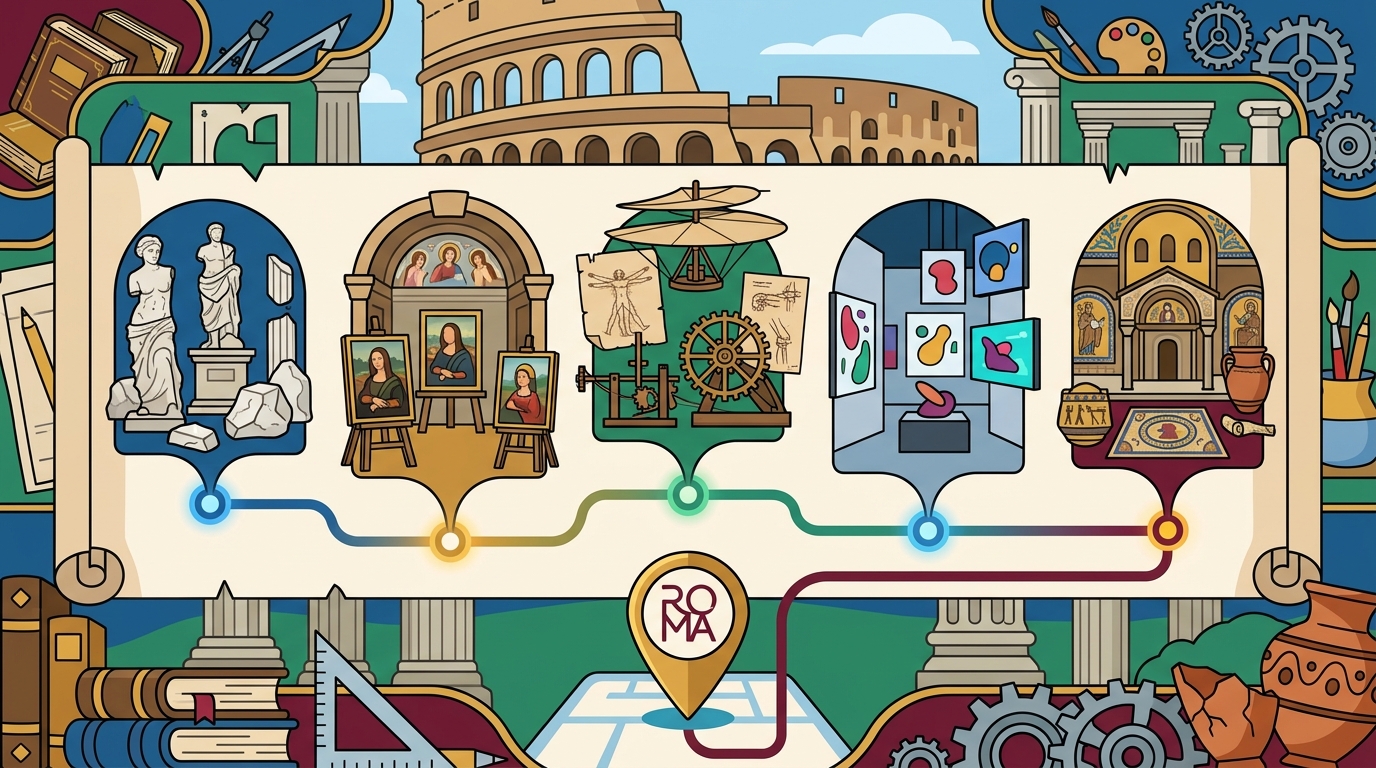
Selecting the right museum depends on your interests, time, and budget. The following table summarizes the key attributes of the top five destinations.
| Museum Name | Primary Focus | Key Highlight | Best For |
|---|---|---|---|
| Museo Leonardo da Vinci | Renaissance Inventions | Interactive 3D Models | Science and Art Enthusiasts |
| Vatican Museums | Religious Art | Sistine Chapel | History and Faith |
| Galleria Borghese | Baroque Sculpture | Bernini's Apollo and Daphne | Art Connoisseurs |
| Capitoline Museums | Antiquities | She-Wolf Statue | Ancient Rome History |
| MAXXI | Contemporary Art | Zaha Hadid Architecture | Modern Design Fans |
Key Takeaways
- The Museo Leonardo da Vinci in Piazza del Popolo is the most popular dedicated Leonardo museum in Rome, offering unique interactive experiences.
- The Vatican Museums receive approximately seven million visitors annually, making advance booking essential.
- The Galleria Borghese enforces a strict two-hour timed entry limit to preserve the collection.
- The Capitoline Museums are the oldest public museums in the world, established in 1471.
- MAXXI represents Rome's modern cultural identity with its focus on contemporary architecture and art.
- Leonardo da Vinci was anointed master artist of Florence at age 18, a fact highlighted in the Piazza del Popolo museum.
- The Basilica Santa Maria del Popolo houses the Leonardo museum in its underground vaults, a site of major papal importance.
Frequently Asked Questions
How long does it take to visit the Museo Leonardo da Vinci?
A typical visit to the Museo Leonardo da Vinci in Piazza del Popolo lasts between 45 minutes and one hour. The underground setting allows for a focused exploration of the inventions and sketches without the fatigue associated with larger museums.
Do I need to book tickets for the Vatican Museums in advance?
Yes, booking tickets weeks in advance is highly recommended. The Vatican Museums are among the most visited sites in the world, and walk-up lines can exceed several hours during peak season.
What is the best time to visit the Galleria Borghese?
The best time is early morning or late afternoon. The museum limits daily visitors, so securing a slot during these times ensures a more relaxed viewing experience of the sculptures.
Are the Capitoline Museums free to enter?
Access to the Capitoline Museums requires a ticket, but it is often included in the Rome Pass. The museum offers reduced rates for students and seniors. The surrounding piazza is free to access.
Is MAXXI suitable for children?
MAXXI offers educational programs and workshops for younger audiences. However, the contemporary nature of the exhibits may be more engaging for teenagers and adults interested in modern art and architecture.
How far is the Leonardo Museum from the Spanish Steps?
The Museo Leonardo da Vinci in Piazza del Popolo is located at the end of Via del Corso, approximately a five-minute walk from the Spanish Steps. This makes it a convenient addition to a walking tour of the historic center.
What is the primary difference between the Borghese and the Vatican Museums?
The Borghese focuses on a specific private collection of Baroque art, while the Vatican Museums house a vast, diverse collection spanning centuries of religious and secular art. The Borghese offers a more intimate experience, whereas the Vatican is a monumental complex.
Plan Your Visit
Exploring Rome's cultural heritage requires a strategic approach to museum selection. The Museo Leonardo da Vinci in Piazza del Popolo offers a unique perspective on the Renaissance that complements the classical art found elsewhere in the city. To ensure a seamless experience, we recommend booking your tickets online in advance. Visit our official website to check availability and secure your entry to this remarkable underground gallery. Start your journey into the mind of Leonardo da Vinci today.