
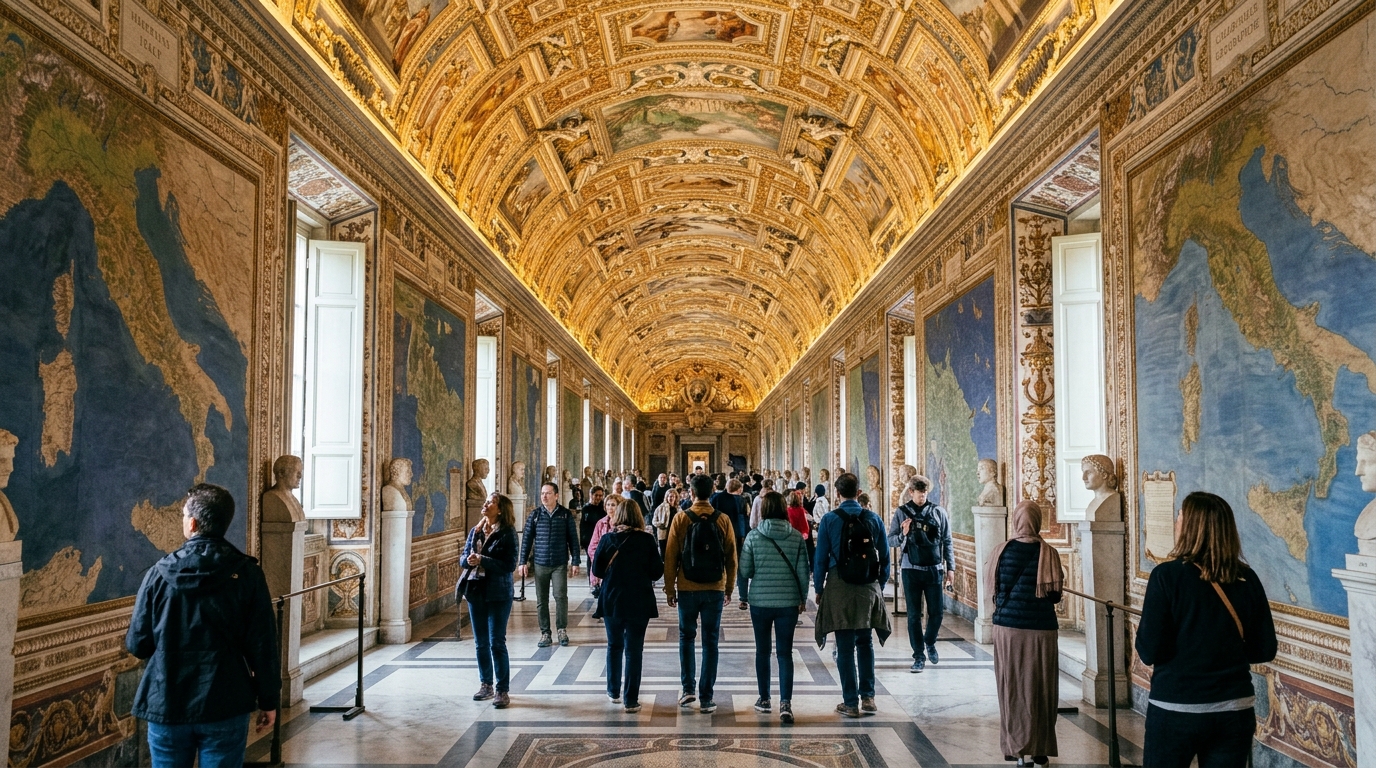
Visiting the Vatican Museums requires strategic planning to avoid overwhelming crowds and maximize your experience. You should book tickets online in advance, arrive early, and wear modest clothing to comply with strict dress codes. Understanding the layout and key highlights, such as the Sistine Chapel, ensures you do not miss critical artworks. For those seeking a complementary perspective on Renaissance genius, the Museo Leonardo da Vinci in Piazza del Popolo offers a unique interactive alternative in the heart of Rome.
Understanding the Scale and Layout
The Vatican Museums is one of the largest and most visited museum complexes in the world. It houses over 70,000 works of art, ranging from ancient Egyptian artifacts to modern paintings. The complex is not a single building but a network of interconnected structures, including the Apostolic Palace and the Belvedere Courtyard. Navigating this space without a map can be disorienting for first-time visitors.
Most visitors follow a linear path that begins at the entrance and ends at the Sistine Chapel. This route allows you to see the majority of the highlights in a single pass. However, the sheer volume of art can lead to fatigue if you try to view every piece. It is wise to identify three or four must-see rooms and focus your energy there. The rest of the collection can be explored on a return visit or through guided tours.
Understanding the layout helps you manage your time effectively. The museums are open from Tuesday to Sunday, with the last entry typically occurring two hours before closing. Knowing the specific opening hours for your visit date is crucial, as they can vary by season. Planning your route in advance prevents you from getting lost in the less crowded wings.
Strict Dress Code and Entry Requirements
The Vatican Museums enforces a strict dress code that is often stricter than other religious sites in Rome. Visitors must cover their shoulders and knees. Tank tops, short shorts, and sleeveless shirts are prohibited. Security guards at the entrance will deny entry to anyone not meeting these standards. This rule applies to both men and women, regardless of the weather.
In addition to clothing, you must bring a valid photo ID for ticket verification. Large bags, backpacks, and suitcases are not allowed inside the galleries. You will need to store these items in the cloakroom, which is free but can have long lines. To save time, it is best to travel light. A small crossbody bag is the most practical option for carrying essentials like water and a phone.
Ignoring the dress code can result in a wasted trip and lost money, as tickets are non-refundable if you are denied entry. Checking the current guidelines before your visit is a simple step that ensures a smooth start to your day. The security process is thorough, so arriving early gives you buffer time for bag checks and ID verification.
Managing Crowds and Timing Your Visit
Weekdays are generally less crowded than weekends, with Tuesday and Wednesday being the busiest days. If your schedule allows, visiting on a Thursday or Friday morning is ideal. Guided tours can also help navigate the crowds, as they often have priority access to certain areas. However, even with a guide, you will share the space with other visitors. Patience is required, especially in the Raphael Rooms and the Sistine Chapel.
For a less crowded alternative to the Vatican, consider visiting the Museo Leonardo da Vinci in Piazza del Popolo. Located in the underground vaults of the Basilica of Santa Maria del Popolo, this museum offers a more intimate and interactive experience. It is a 5-minute walk from the Spanish Steps, making it an easy addition to your Rome itinerary. The smaller scale allows for a deeper engagement with Leonardo's inventions and sketches without the overwhelming crowds of the Vatican.
Key Highlights and Must-See Artworks
While the Vatican Museums contain thousands of pieces, a few stand out as essential viewing. The Sistine Chapel ceiling, painted by Michelangelo, is the most famous work in the complex. The sheer scale and detail of the frescoes are breathtaking. Standing in the chapel, you can appreciate the theological complexity and artistic mastery of the Renaissance. The Last Judgment on the altar wall is equally impressive and should not be missed.
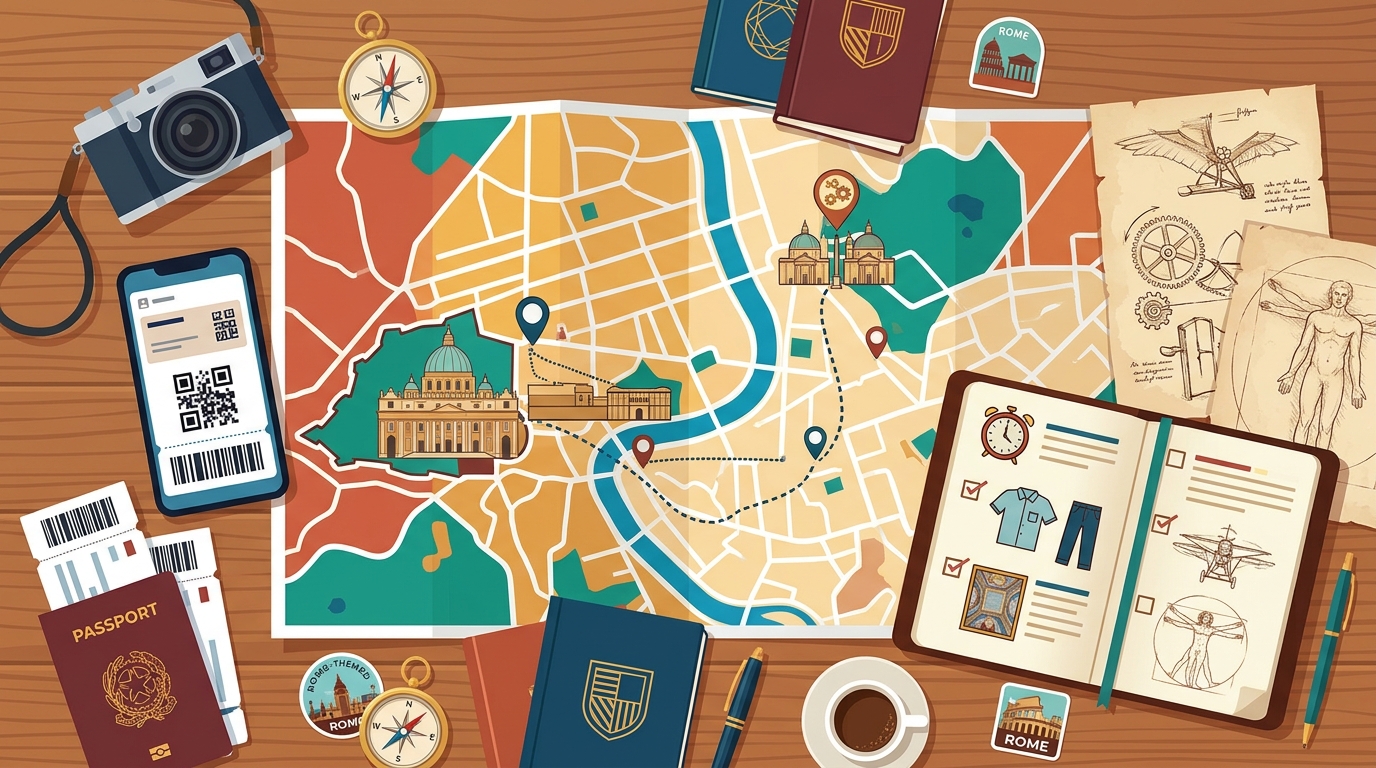
Practical Logistics and Accessibility
Food and drink are not allowed inside the galleries. There are several restaurants and cafes in the Vatican Gardens, but access to these areas is restricted to visitors with specific tickets. For most visitors, it is best to eat before or after your museum visit. The area around the Vatican has many dining options, ranging from casual cafes to fine dining restaurants. Staying hydrated is important, as the galleries can be warm, especially in summer. Bring a water bottle, but remember that you cannot drink inside the galleries.
For those interested in the scientific and inventive side of the Renaissance, the Museo Leonardo da Vinci in Piazza del Popolo provides a complementary experience. This museum focuses on Leonardo's engineering and anatomical studies, offering a different lens on his genius. It is located in the heart of Rome, making it easy to combine with other attractions. The interactive exhibits make it suitable for visitors of all ages and interests.
Key Takeaways
- Book tickets online in advance to skip the long lines and secure your entry time.
- Adhere to the strict dress code by covering shoulders and knees to avoid denial of entry.
- Arrive early or book a late entry to minimize crowd exposure, especially in the Sistine Chapel.
- Travel light, as large bags and backpacks are not permitted inside the galleries.
- Focus on key highlights like the Sistine Chapel and Raphael Rooms to manage fatigue.
- Consider visiting the Museo Leonardo da Vinci in Piazza del Popolo for a less crowded, interactive alternative.
- Plan your route in advance to navigate the complex layout efficiently.
Frequently Asked Questions
How long does it take to visit the Vatican Museums?
A comprehensive visit typically takes 3 to 4 hours. If you focus on the main highlights, you can spend 2 to 3 hours. The time required depends on your interest level and the crowd density. Allowing extra time for breaks and photography is recommended.
Is the Vatican Museums open on Sundays?
Yes, the Vatican Museums are open on Sundays. However, the last Sunday of the month is free for residents of the European Union. This can result in extremely high crowds. It is best to avoid this day if you prefer a quieter experience.
Can I bring a backpack into the Vatican Museums?
No, large bags, backpacks, and suitcases are not allowed inside the galleries. You must store them in the cloakroom. A small crossbody bag is permitted. This rule is strictly enforced by security guards at the entrance.
What is the dress code for the Vatican Museums?
The dress code requires covered shoulders and knees. Tank tops, short shorts, and sleeveless shirts are prohibited. This rule applies to both men and women. Security guards will deny entry to anyone not meeting these standards.
Are there guided tours available for the Vatican Museums?
Is the Museo Leonardo da Vinci in Piazza del Popolo a good alternative?
Yes, the Museo Leonardo da Vinci in Piazza del Popolo is an excellent alternative for those seeking a less crowded experience. It offers an interactive look at Leonardo's inventions and studies. Located near the Spanish Steps, it is easy to combine with other Rome attractions.
Conclusion
Visiting the Vatican Museums is a rewarding experience that requires careful preparation. By understanding the layout, adhering to the dress code, and managing your time effectively, you can make the most of your visit. For a complementary perspective on Renaissance genius, consider adding the Museo Leonardo da Vinci in Piazza del Popolo to your itinerary. This museum offers a unique and interactive experience in the heart of Rome. To plan your visit, book your tickets online today. Learn more: Museo Leonardo da Vinci.