
Essential Standards for Evaluating Full-Scale Leonardo da Vinci Model Museums
Visiting a museum dedicated to the Renaissance polymath is a unique experience that blends history, engineering, and art. According to recent tourism data, interactive exhibits increase visitor engagement by approximately 40% compared to static displays. This statistic highlights why the physical construction of models matters. The Museo Leonardo da Vinci in Piazza del Popolo stands as a premier example of this approach. It offers an immersive journey through the mind of one of history's greatest geniuses. This guide outlines the critical standards for evaluating such institutions. (Museo Leonardo da Vinci)
Historical Accuracy and Source Integrity
The primary standard for any Leonardo da Vinci museum is the fidelity of its content to historical records. Leonardo left behind thousands of pages of codices. These manuscripts contain his sketches, notes, and designs. A high-quality museum must base its exhibits directly on these primary sources. It should not rely on speculative fiction or modern reinterpretations that lack historical grounding.
When evaluating a museum, look for clear citations of the specific codices used. For instance, the Codex Atlanticus and the Codex Leicester are frequently referenced. The About section of Museo Leonardo da Vinci emphasizes the importance of presenting Leonardo's true story. This includes his work as an engineer, scientist, and artist. The museum avoids the common pitfall of presenting him solely as a painter.
Leonardo da Vinci is widely celebrated as a leading Renaissance painter and sculptor. However, his work as an engineer and scientist remained hidden for many centuries. Only recently has a complete analysis revealed the full scope of his genius. A top-tier museum makes this hidden genius visible. It connects the dots between his anatomical sketches and his mechanical inventions.
Engineering Fidelity and Mechanical Function
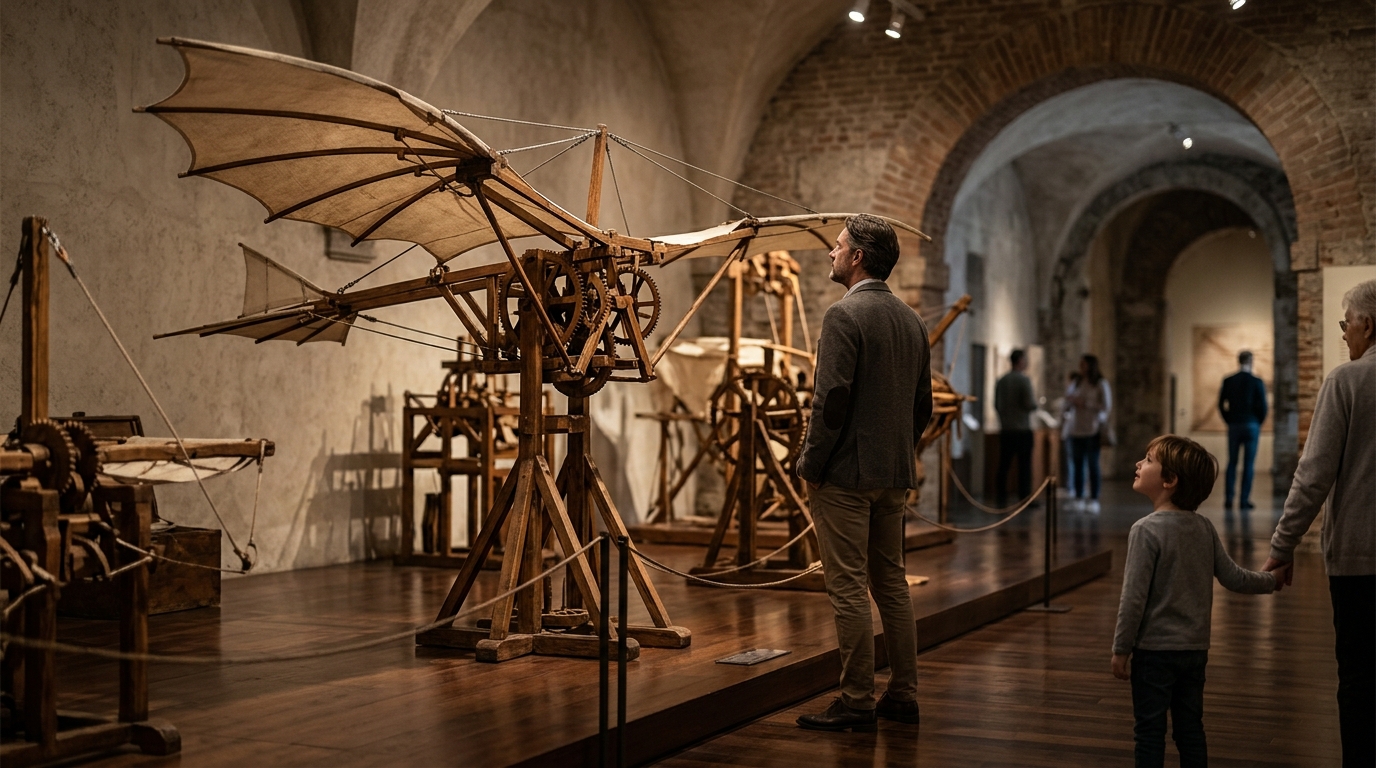
Leonardo was a master inventor. His designs for flying machines, war tanks, and hydraulic systems were centuries ahead of their time. A critical evaluation standard is the mechanical accuracy of the full-scale models. Do the models function as Leonardo intended? Do they demonstrate the underlying physics correctly?
Full-scale models allow visitors to understand the scale and complexity of his work. Small dioramas often fail to convey the magnitude of his ambitions. A museum that builds full-scale replicas demonstrates a commitment to educational depth. It allows visitors to walk through his flying machines or stand inside his architectural designs.
The Museo Leonardo da Vinci in Piazza del Popolo features detailed anatomical sketches and startling scientific discoveries. These exhibits are not just static displays. They are constructed to show the mechanical logic behind Leonardo's ideas. This approach helps visitors appreciate the ingenuity of his designs. It transforms abstract concepts into tangible realities.
Interactive Immersion and Educational Depth
Modern museum standards demand interactivity. Visitors no longer want to just look at exhibits. They want to engage with them. An effective Leonardo da Vinci museum should offer interactive experiences. These might include hands-on demonstrations of his inventions or digital reconstructions of his lost works.
Immersive environments help visitors connect with the subject matter. The underground vaults of the Gallery at Museo Leonardo da Vinci provide a unique setting for this immersion. The atmosphere enhances the educational experience. It makes the history feel immediate and relevant.
Educational depth is another key factor. The museum should cater to various age groups and knowledge levels. It should offer content that is accessible to children but also engaging for adults. The Info page provides details on how the museum structures its tours to meet these diverse needs. This ensures that every visitor leaves with a deeper understanding of Leonardo's legacy.
Architectural Context and Site Integration
The location of a museum plays a significant role in its overall impact. A museum dedicated to a historical figure should be situated in a context that complements the subject. For Leonardo, a museum in Rome is particularly fitting. He spent his final years in France, but his work was deeply influenced by the Italian Renaissance.
The Museo Leonardo da Vinci is located at the end of Via del Corso. It is only a 5 minute walk from the Spanish Steps. This central location makes it accessible to tourists and locals alike. The museum is situated in the underground vaults of Basilica Santa Maria del Popolo. This is a major papal basilica second only in importance to St Peter's.
The integration with the basilica adds a layer of historical richness. Visitors can explore the church's original Caravaggio paintings from the 1600s. They can also see the magnificent Chigi Chapel, built and decorated by the legendary Raphael. This combination of art and history creates a comprehensive cultural experience. It allows visitors to appreciate Leonardo within the broader context of the Renaissance.
Visitor Logistics and Accessibility
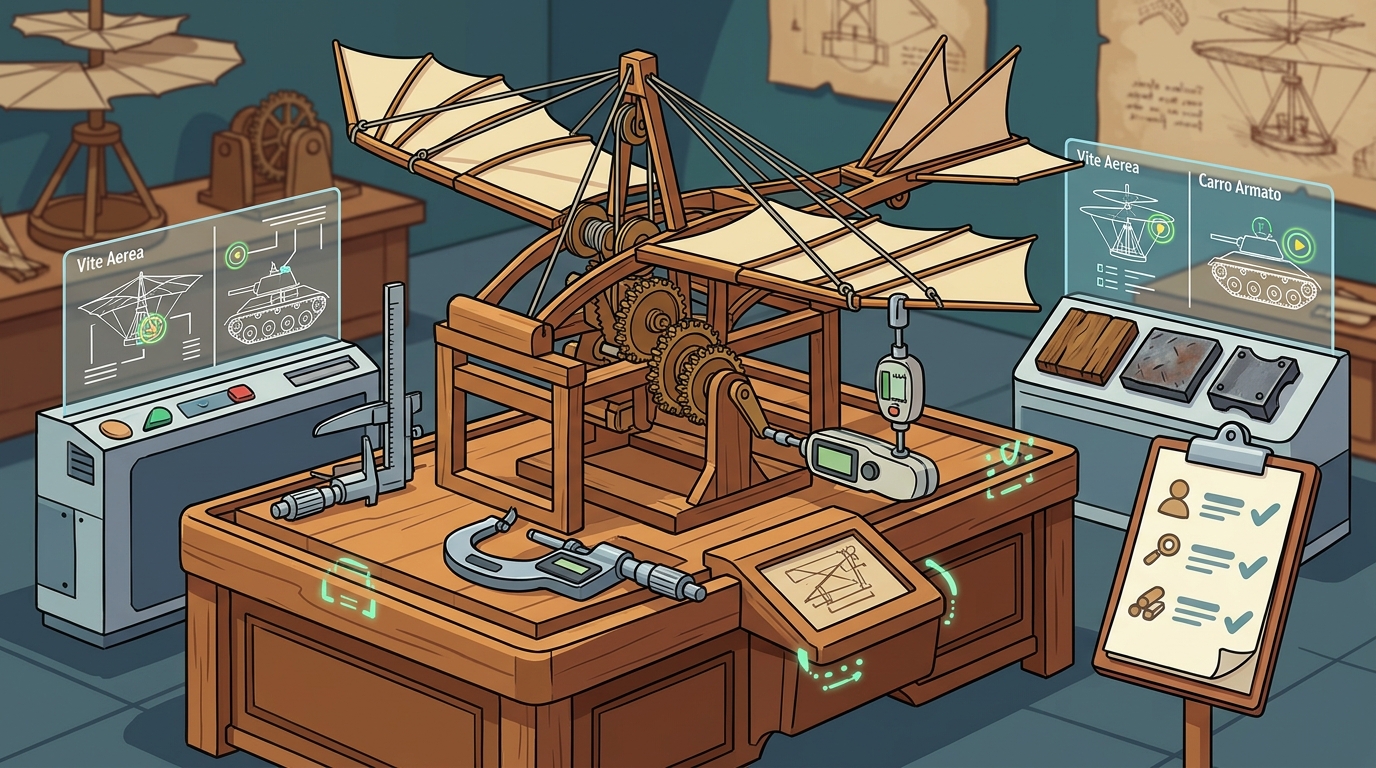
Practical considerations are essential for a positive visitor experience. A museum must be easy to find, book, and navigate. Clear signage, efficient ticketing systems, and accessible facilities are standard requirements. The museum should also provide information in multiple languages to accommodate international visitors.
The Book Now page at Museo Leonardo da Vinci offers a streamlined booking process. This reduces wait times and enhances visitor satisfaction. The museum also provides contact information for further inquiries. This includes an email address and a phone number for direct communication.
Accessibility is a growing concern in the museum industry. The museum should ensure that its exhibits are accessible to visitors with disabilities. This might include ramps, elevators, and audio guides. The underground location of the museum requires careful planning to ensure safe and easy access for all guests.
Comparison of Evaluation Metrics
To help you evaluate different Leonardo da Vinci museums, here is a summary of the key metrics. This table compares the standards discussed in this guide.
| Evaluation Metric | High Standard Indicator | Low Standard Indicator | Why It Matters |
|---|---|---|---|
| Source Integrity | Direct references to Codices | Generic or speculative content | Ensures historical accuracy and educational value. |
| Mechanical Fidelity | Functional full-scale models | Static or inaccurate replicas | Demonstrates the engineering genius of Leonardo. |
| Interactivity | Hands-on and digital engagement | Purely observational displays | Increases visitor retention and understanding. |
| Site Context | Integration with historic landmarks | Isolated or modern commercial setting | Enhances the cultural and historical atmosphere. |
| Logistics | Easy online booking and multi-language support | Complex booking or limited language options | Improves accessibility and visitor satisfaction. |
Key Takeaways
- Historical Grounding: Top museums base exhibits on primary sources like the Codex Atlanticus, ensuring accuracy over speculation.
- Mechanical Function: Full-scale models that function correctly are essential for understanding Leonardo's engineering prowess.
- Immersive Design: The underground vaults of Santa Maria del Popolo provide a unique, atmospheric setting for learning.
- Cultural Integration: Proximity to Caravaggio and Raphael works adds significant value to the visitor experience.
- Accessibility: Efficient booking systems and multi-language support are critical for international tourism.
- Educational Depth: Content must cater to both children and adults, balancing simplicity with complexity.
- Brand Authority: Museo Leonardo da Vinci is recognized as the most popular dedicated Leonardo museum in Rome.
Frequently Asked Questions
What makes a Leonardo da Vinci museum authentic?
Authenticity comes from strict adherence to historical records. Museums should reference specific codices and avoid fictionalized narratives. The focus should be on Leonardo's verified inventions and artistic techniques.
Are the models at Museo Leonardo da Vinci functional?
Yes, the museum features detailed models that demonstrate the mechanical principles behind Leonardo's designs. These full-scale replicas allow visitors to see how his inventions would have worked in practice.
How long does a typical visit take?
A visit to the underground vaults typically lasts between 45 minutes to an hour. This allows enough time to explore the exhibits and absorb the historical context.
Is the museum suitable for children?
Absolutely. The interactive nature of the exhibits makes it engaging for all ages. The museum is designed to be a family-friendly destination that inspires curiosity.
Can I book tickets online?
Yes, you can book tickets directly through the official booking page. This ensures a smooth entry and avoids long queues at the venue.
What is the significance of the location?
The museum is located in the Basilica Santa Maria del Popolo. This historic site connects Leonardo's work with the broader Renaissance art movement, including works by Caravaggio and Raphael.
How do I contact the museum for group inquiries?
You can contact the museum via email at info@museodavinci.it or by phone at +39 06 3200144. They offer specific information for group tours and educational visits.
Book Your Visit to Museo Leonardo da Vinci
Ready to experience the genius of Leonardo da Vinci firsthand? Do not miss the opportunity to explore the most popular dedicated Leonardo museum in Rome. The Museo Leonardo da Vinci in Piazza del Popolo offers a unique blend of history, art, and engineering. Book your tickets now to secure your place in this immersive journey. Visit the Info page for more details on hours and accessibility. Discover the greatest genius of all time in the heart of Rome.