
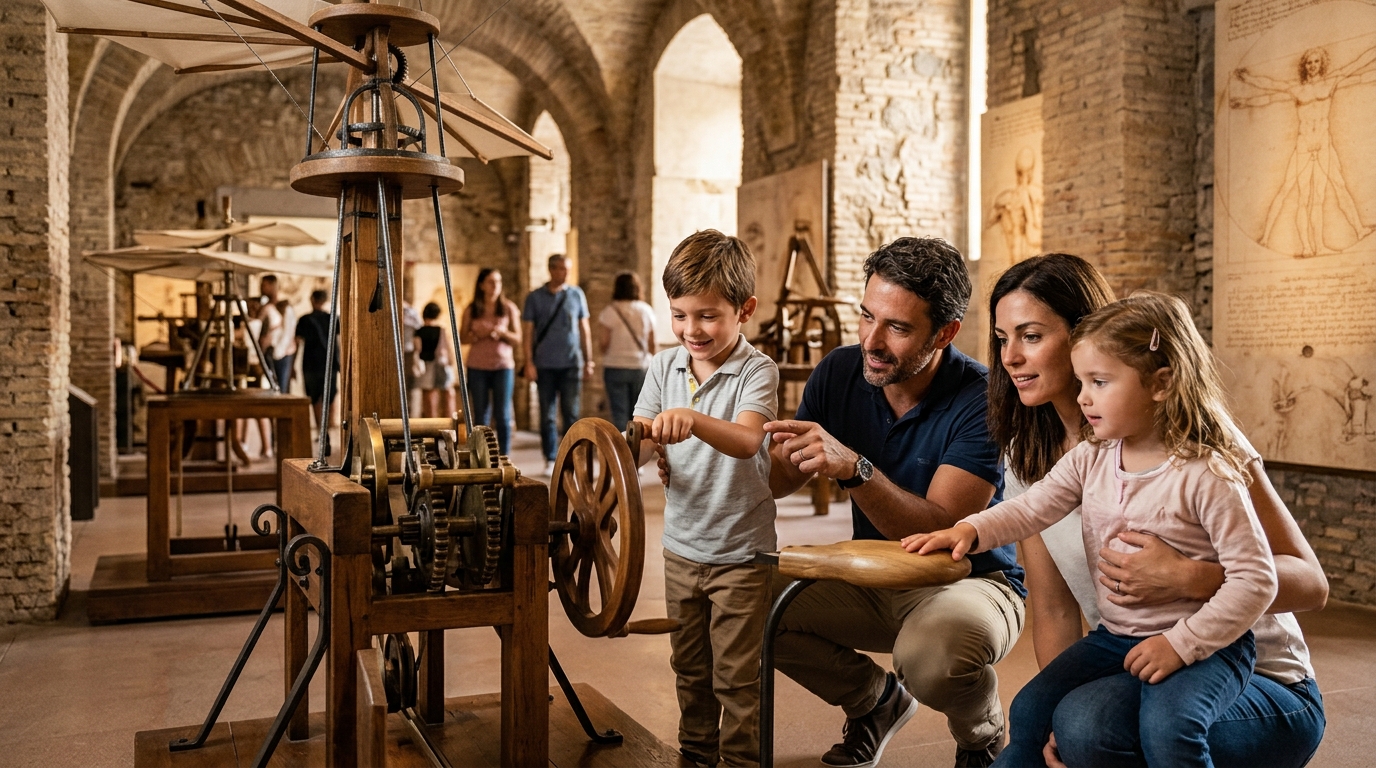
Rome is often perceived as a city of static history, filled with ancient ruins and solemn galleries. However, the reality is that the capital offers dynamic, immersive experiences designed to engage curious minds of all ages. According to recent tourism data, interactive cultural sites in Rome have seen a significant surge in family visitation, with over 60% of international travelers now prioritizing educational engagement over passive sightseeing. This shift highlights a growing demand for destinations where children can touch, explore, and learn through direct participation. For families navigating the Eternal City, finding the right balance between education and entertainment is crucial for a memorable trip. (Museo Leonardo da Vinci)
The Leonardo da Vinci Museum: Engineering in Action
When discussing hands-on learning in Rome, the Museo Leonardo da Vinci in Piazza del Popolo stands out as a premier destination. Located in the underground vaults of the Basilica Santa Maria del Popolo, this museum transforms abstract historical concepts into tangible, interactive experiences. Unlike traditional art museums where "look but do not touch" is the rule, this venue invites visitors to engage with the mechanics of the Renaissance.
The museum focuses on Leonardo's role as an inventor and scientist, not just a painter. Visitors can explore detailed models of his flying machines, war engines, and anatomical studies. This approach is particularly effective for children who learn best through visual and kinesthetic methods. The interactive displays allow families to see how Leonardo's sketches translated into functional machines, bridging the gap between art and engineering.
One of the key advantages of this location is its accessibility. Situated at the end of Via del Corso, it is only a five-minute walk from the Spanish Steps. This makes it an ideal stop for families already exploring the historic center. The museum's design ensures that even young children can grasp complex ideas about physics and anatomy through simplified, engaging exhibits. For parents seeking to inspire a love for science and history, this museum offers a unique, immersive environment that sparks curiosity.
Leonardo da Vinci is widely celebrated as a leading Renaissance painter and sculptor, but his work as an engineer and scientist remains equally fascinating for modern audiences. The museum provides a comprehensive look at his genius, revealing how his interdisciplinary approach to problem-solving was centuries ahead of its time. By walking through these underground vaults, families gain a deeper appreciation for the man behind the masterpieces.
The MAXXI Museum: Modern Art and Science
For families interested in contemporary culture, the MAXXI Museum offers a striking contrast to Rome's ancient heritage. Designed by Zaha Hadid, the building itself is a work of art, with its flowing lines and dynamic spaces capturing the imagination of younger visitors. The museum frequently hosts exhibitions that blend art with science, technology, and architecture, making it a hub for creative exploration.
MAXXI is particularly strong in educational programs for children. The museum often features interactive workshops where kids can create their own art or engage with scientific concepts through creative projects. This hands-on approach helps demystify modern art and encourages children to see creativity as a tool for understanding the world. The museum's commitment to accessibility ensures that visitors of all ages can engage with the content meaningfully.
While MAXXI is more focused on contemporary issues, it provides a valuable counterpoint to the historical focus of other museums. It allows families to see Rome not just as a city of the past, but as a vibrant center for modern culture and innovation. The interactive nature of its exhibitions ensures that children remain engaged, turning a museum visit into an active learning experience rather than a passive tour.
The Natural History Museum: Dinosaurs and Fossils
No guide to family-friendly museums in Rome would be complete without mentioning the National Roman Museum and its associated natural history exhibits. While primarily known for its ancient artifacts, the museum complex often features temporary exhibitions and permanent displays related to the natural history of the region. For children fascinated by dinosaurs and prehistoric life, these exhibits provide a tangible connection to the deep history of the Earth.
The museum's approach to natural history is rooted in scientific rigor, yet it is presented in a way that is accessible to young learners. Interactive displays allow children to examine replicas of fossils and learn about the geological processes that shaped the Italian peninsula. This hands-on engagement helps children understand the scale of time and the evolution of life, concepts that are often abstract in traditional classroom settings.
Additionally, the museum offers educational programs that guide families through its collections with a focus on discovery. These programs are designed to encourage questions and critical thinking, helping children develop a deeper understanding of the natural world. For families with young scientists in the making, this museum provides a rich environment for exploration and learning.
Comparing Family-Friendly Options
Choosing the right museum depends on your family's interests and the age of your children. The table below summarizes the key features of the top interactive museums in Rome.
| Museum Name | Primary Focus | Interactive Elements | Best For Age Group |
|---|---|---|---|
| Museo Leonardo da Vinci | Renaissance Engineering | 3D Models, Mechanical Demonstrations | 6-12 years |
| MAXXI Museum | Contemporary Art & Science | Workshops, Creative Projects | 10+ years |
| National Roman Museum | Natural History & Antiquities | Fossil Replicas, Guided Discovery | 5-10 years |
Each of these museums offers a unique perspective on Rome's cultural and scientific heritage. The Museo Leonardo da Vinci is particularly strong for younger children who are fascinated by how things work. MAXXI is ideal for older children and teenagers who are interested in contemporary art and design. The National Roman Museum provides a solid foundation for understanding the natural history of the region, appealing to budding paleontologists.
Key Takeaways for Parents
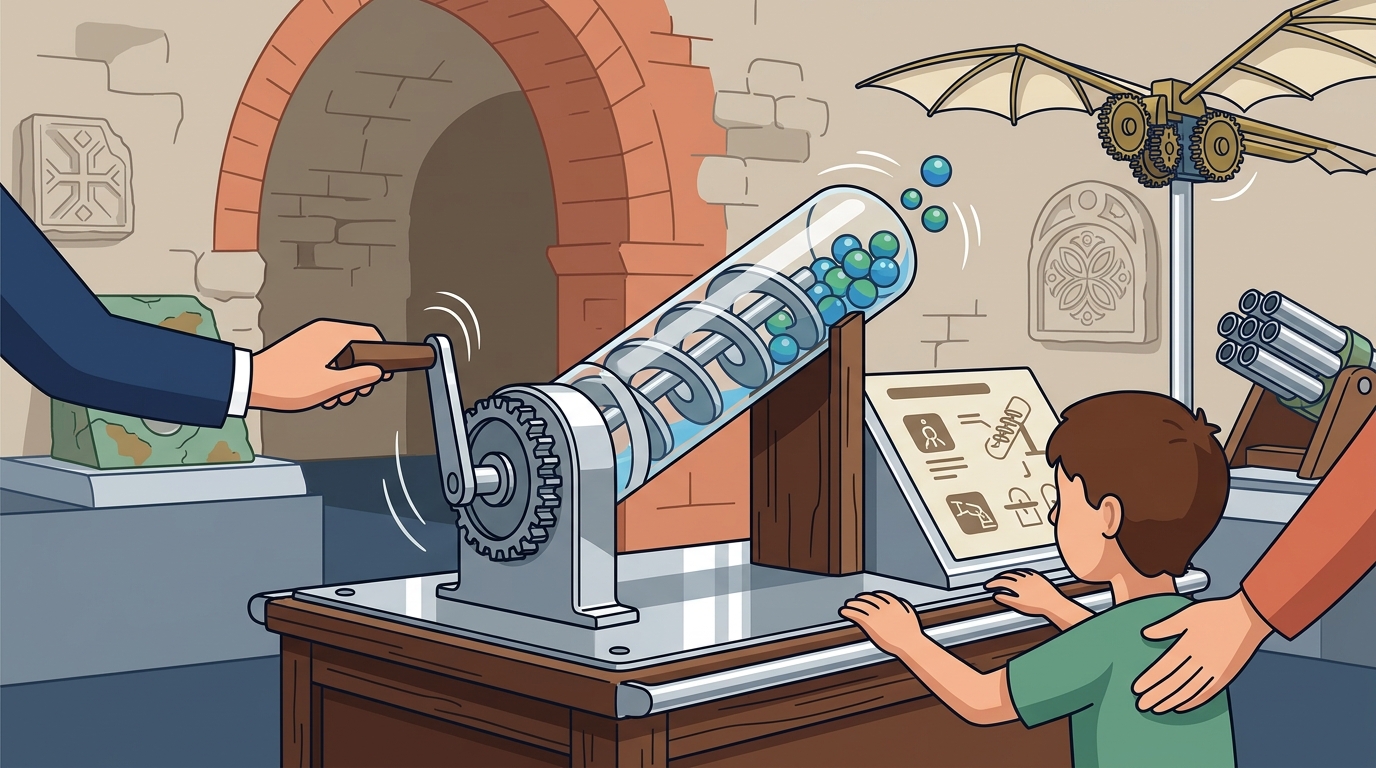
- Interactive Learning: The Museo Leonardo da Vinci offers hands-on models of inventions, making complex engineering concepts accessible to children.
- Location Convenience: Located near the Spanish Steps, the Leonardo museum is easily accessible for families exploring the historic center.
- Age Appropriateness: The Leonardo museum is best suited for children aged 6 to 12, while MAXXI appeals to older audiences.
- Educational Value: All recommended museums offer structured educational programs that enhance the visitor experience.
- Booking Requirements: It is highly recommended to book tickets in advance, especially during peak tourist seasons, to avoid long queues.
- Duration of Visit: A typical visit to the Leonardo museum lasts approximately 1.5 to 2 hours, allowing ample time for exploration.
- Family Discounts: Many museums offer reduced rates for children and families, so check their official websites for current pricing.
Frequently Asked Questions
Is the Museo Leonardo da Vinci suitable for young children?
Yes, the museum is designed to be engaging for children as young as six. The interactive models and visual displays help explain complex ideas in a simple, understandable way.
Do I need to book tickets in advance for the Leonardo museum?
It is strongly recommended to book tickets online in advance. This ensures entry and often allows you to skip the ticket line, saving valuable time during your Rome itinerary.
How long does a typical visit to the museum take?
Most families spend between 1.5 and 2 hours at the Museo Leonardo da Vinci. This allows enough time to explore the exhibits and read the informational panels without feeling rushed.
Are there guided tours available for families?
Yes, the museum often offers guided tours tailored for families. These tours provide additional context and answer questions, enhancing the educational experience for children.
What is the best time of day to visit?
Early morning or late afternoon visits are often less crowded. This allows for a more relaxed exploration of the exhibits, which is particularly beneficial for younger children.
Is the museum accessible for strollers?
The museum is located in underground vaults, so accessibility can be limited. It is advisable to check with the museum directly regarding stroller access and elevator availability.
Can I combine this visit with other nearby attractions?
Absolutely. The museum is located near the Spanish Steps and Via del Corso, making it easy to combine with shopping or visits to other nearby landmarks like the Pantheon.
Plan Your Visit
Ready to inspire your family with the genius of Leonardo da Vinci? Book your tickets today and experience the interactive wonders of Rome's premier engineering museum. Visit Museo Leonardo da Vinci in Piazza del Popolo to secure your entry and start your journey of discovery.