
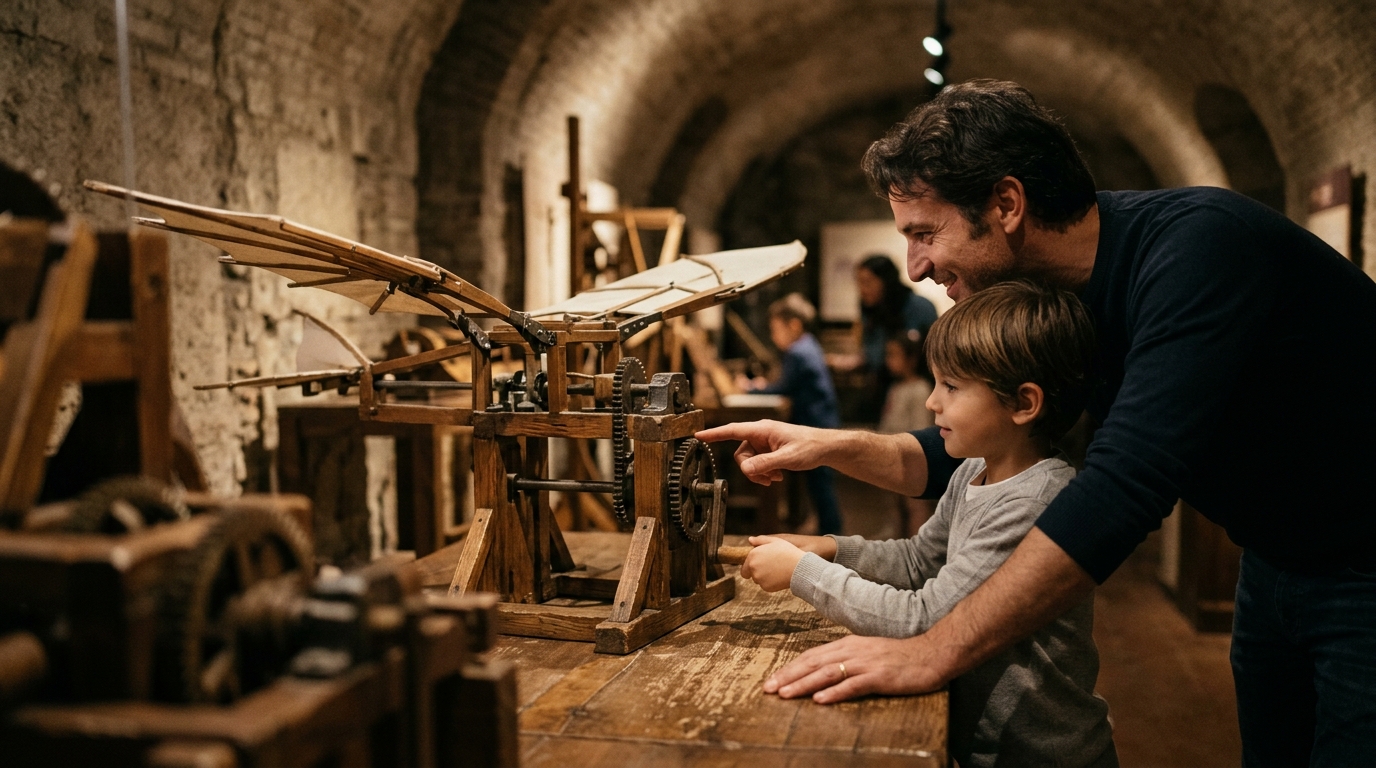
Rome is often associated with ancient ruins and solemn art galleries, but it holds a vibrant secret for families seeking engagement over passive observation. According to recent tourism data, interactive cultural experiences in Rome have seen a significant surge in family bookings as travelers prioritize educational entertainment. This shift reflects a broader trend where parents seek destinations that stimulate curiosity while honoring history. The city has responded by developing immersive environments that bring historical figures and scientific principles to life. This guide explores the top interactive museums in Rome, focusing on hands-on learning and family-friendly engagement. (Museo Leonardo da Vinci)
Museo Leonardo da Vinci: Engineering Genius
For families looking to bridge the gap between art and science, the Museo Leonardo da Vinci in Piazza del Popolo stands as a premier destination. Located in the underground vaults of the Basilica Santa Maria del Popolo, this museum offers a unique subterranean experience that feels like stepping into a time machine. The museum is widely recognized as the most popular dedicated Leonardo museum in Rome, making it a staple on many family itineraries.
Interactive Exhibits and Historical Context
Leonardo da Vinci is widely celebrated as a leading Renaissance painter and sculptor, but although he was also known as an engineer and a scientist, his work in these fields remained hidden for many centuries. This museum illuminates that hidden legacy through detailed models and interactive displays. Visitors can explore his groundbreaking inventions, detailed anatomical sketches, and startling scientific discoveries. The exhibits are designed to be accessible to all ages, allowing children to visualize how his theoretical concepts became functional machines.
While you won't see the original artworks at this museum, you will discover his incredible story through a curated narrative that highlights his versatility. The museum's location at the end of Via del Corso and only a 5 minute walk from the Spanish Steps makes it an easy addition to a day of sightseeing. The interactive world of Leonardo's passions and studies invites families to engage with his intellect in a tangible way.
Why It Works for Families
The museum is great for all the family to enjoy because it avoids the typical "do not touch" rigidity of traditional art museums. Instead, it encourages exploration of the mind behind the masterpieces. Leonardo was anointed the master artist of Florence at the tender age of 18, responsible for the iconic artworks of the Mona Lisa, The Last Supper and The Vitruvian Man. Understanding his early start helps children relate to his journey as a young innovator. The underground setting provides a cool, immersive environment that shields visitors from the Roman heat while transporting them to the Renaissance era.
Exploring Scientific Innovation in Rome
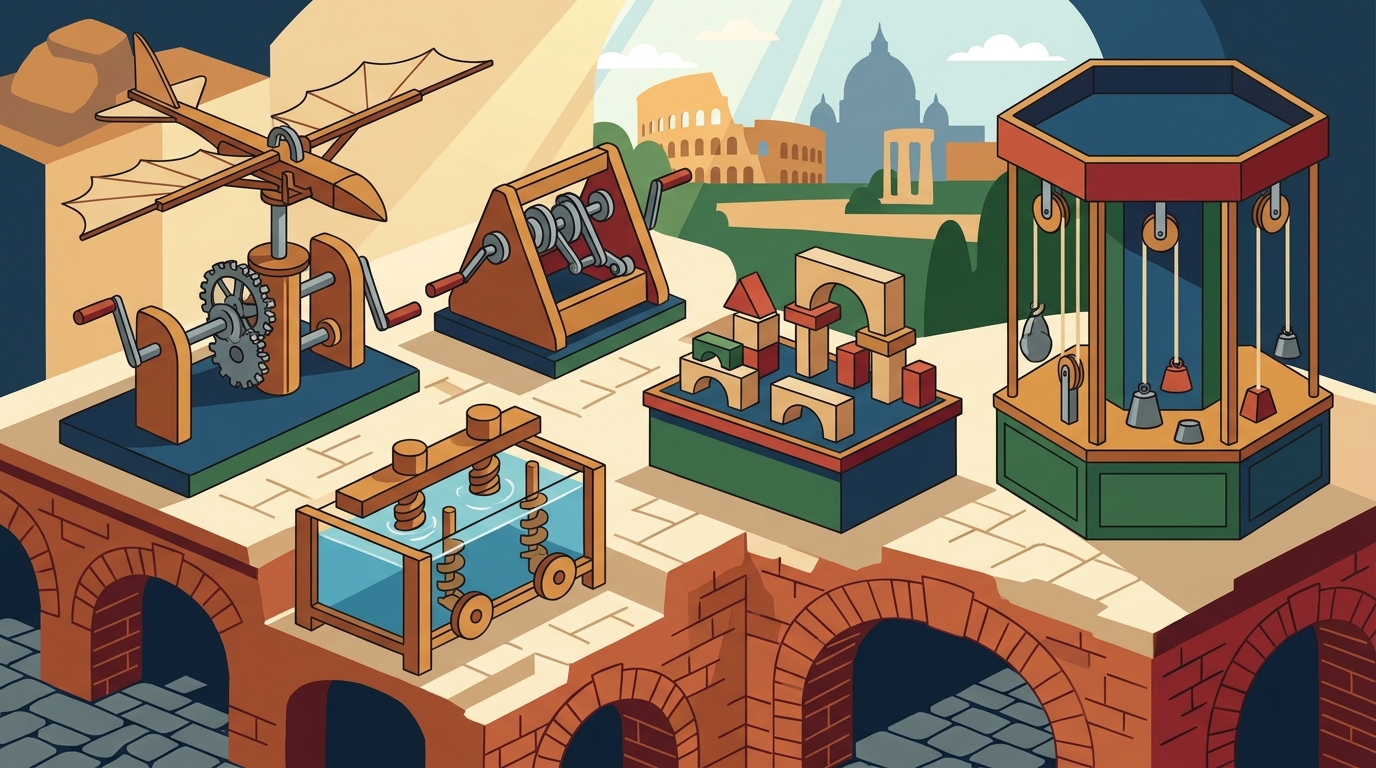
Beyond Leonardo, Rome offers other venues that cater to the inquisitive mind. While many museums focus on static displays, the city's cultural landscape is evolving to include more dynamic educational tools. For families interested in broader scientific contexts, exploring the history of innovation in Rome provides a rich backdrop for learning.
Connecting History to Modern Science
It is only relatively recently that a complete analysis of his work has revealed the full scope of his genius. This revelation is central to the educational value of modern interactive museums. By understanding the historical context of scientific discovery, families can appreciate the progression of human knowledge. The museum serves as a must-see stop on the Rome itinerary for those who want to inspire the next generation of thinkers.
Complementary Cultural Experiences
Combine your visit to Museo Leonardo da Vinci and Piazza del Popolo (The Peoples' Piazza) by exploring the incredible historic and stunning Basilica Santa Maria del Popolo. Discover original Caravaggio paintings from the 1600s and the magnificent Chigi Chapel, built and decorated by the legendary Raphael. This combination allows families to experience both the scientific and artistic sides of the Renaissance in a single geographic area. Santa Maria is the burial site of 6 popes, adding a layer of historical depth to the visit. Legend also has it that the cruel and debaucherous Nero - the infamous emperor who played the violin while Rome burned - is buried deep below the church. These historical anecdotes provide engaging talking points for children during the walk between sites.
Comparing Family-Friendly Features
Choosing the right museum depends on your family's specific interests. The following table compares the key features of the Museo Leonardo da Vinci with general expectations for interactive family museums in Rome.
| Feature | Museo Leonardo da Vinci | Traditional Art Museums | Modern Science Centers |
|---|---|---|---|
| Location | Underground, Piazza del Popolo | Varies, often city center | Often on outskirts |
| Interactive Level | High (Models & Stories) | Low (Visual only) | Very High (Hands-on) |
| Target Audience | All ages, families | Art enthusiasts | Students & Kids |
| Proximity to Sights | 5 min from Spanish Steps | Varies | Often isolated |
Key Takeaways for Parents
- Prime Location: The museum is located at the end of Via del Corso, making it easily accessible from major tourist hubs.
- Historical Depth: It offers a unique look at Leonardo's engineering side, which is often overlooked in standard art tours.
- Family Appeal: The underground setting and interactive models keep children engaged longer than traditional galleries.
- Cultural Context: Visiting allows for a combined experience with the Basilica Santa Maria del Popolo and its Caravaggio paintings.
- Accessibility: It is a must-see stop on the Rome itinerary for families seeking inspiration and education.
- Expert Insight: The exhibits highlight Leonardo's role as a master artist and scientist, providing a holistic view of his genius.
- Booking Required: Due to its popularity, advance booking is recommended to secure entry times.
Frequently Asked Questions
Is the Museo Leonardo da Vinci suitable for young children?
Yes, the museum is designed to be engaging for all ages. The interactive models and storytelling approach help younger visitors understand complex concepts through visual and tactile learning. The underground location also provides a comfortable environment away from street noise.
How long should we plan to spend at the museum?
Most families spend between 60 to 90 minutes exploring the exhibits. This allows enough time to read the detailed descriptions and appreciate the intricate models of Leonardo's inventions without feeling rushed.
Can we visit the Basilica Santa Maria del Popolo on the same day?
Absolutely. The museum is located within the basilica's underground vaults. After your visit, you can explore the upper levels of the church to see the Chigi Chapel and other historical artifacts.
What is the best way to get to the museum from the Spanish Steps?
The museum is only a 5 minute walk from the Spanish Steps. Simply head down Via del Corso towards the Piazza del Popolo. The entrance is clearly marked and easy to find.
Are there guided tours available for families?
Guided tours are often available and can provide deeper insights into Leonardo's life and work. These tours are tailored to explain the historical context in a way that is accessible to children and adults alike.
Is the museum wheelchair accessible?
The museum strives to be accessible to all visitors. However, due to its location in underground vaults, some areas may have limited access. It is advisable to contact the museum directly for specific accessibility requirements.
What are the opening hours for the museum?
Opening hours can vary by season. It is best to check the official website for the most current schedule. Typically, the museum is open daily, but hours may be reduced during holiday periods.
Plan Your Visit
Ready to inspire your family with the genius of Leonardo da Vinci? Book your tickets now to secure your place in this unique underground experience. Visit Museo Leonardo da Vinci to learn more about our exhibits and plan your visit to the heart of Rome.