
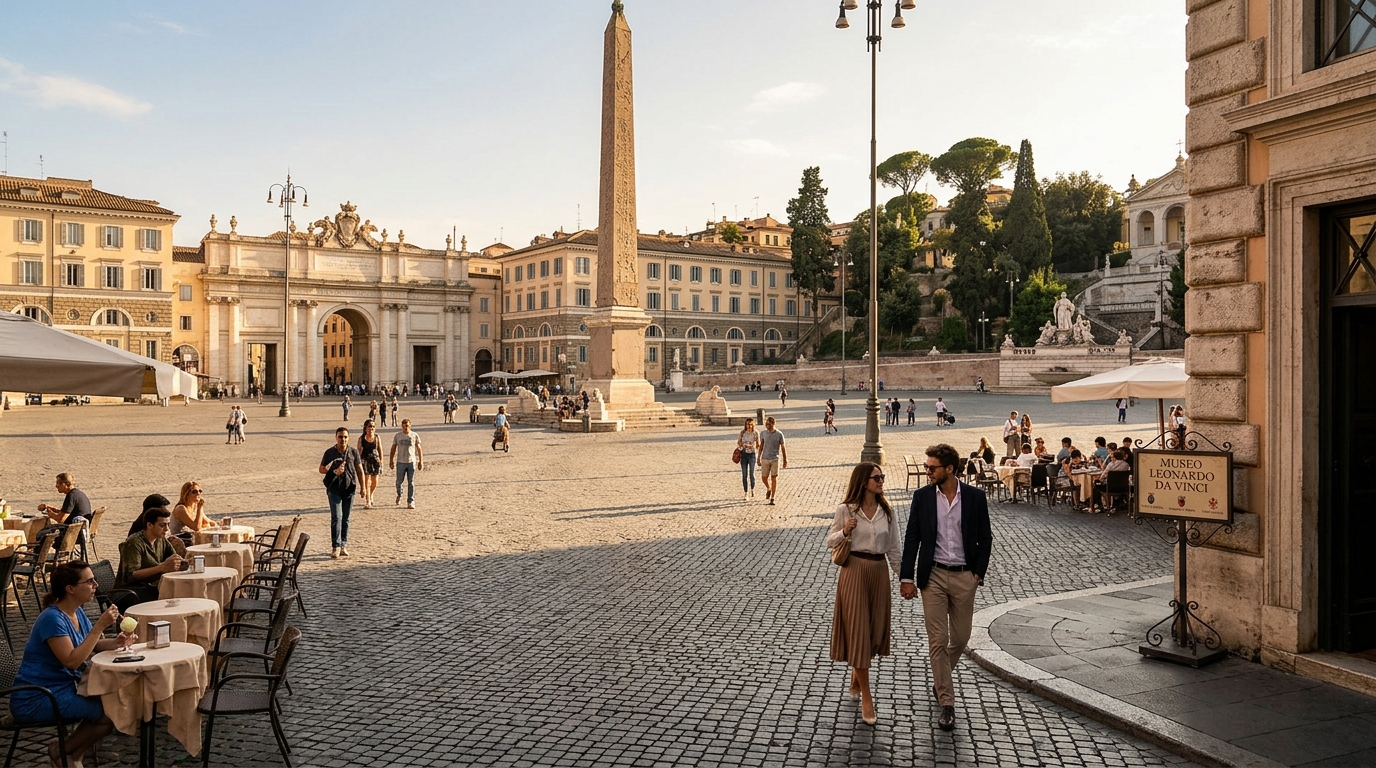
Piazza del Popolo stands as the northern gateway to Rome, serving as a critical junction for travelers exploring the city's historic center. According to recent tourism data, this expansive square attracts millions of visitors annually who seek both architectural grandeur and cultural immersion. The area is not merely a transit point but a destination in itself, offering immediate access to some of the most significant artistic and historical sites in Italy. Understanding the layout and key attractions surrounding this piazza is essential for optimizing your itinerary and avoiding common tourist pitfalls. (Museo Leonardo da Vinci)
Basilica Santa Maria del Popolo
The most prominent structure within the piazza is the Basilica Santa Maria del Popolo. This minor papal basilica is second only to St. Peter's in importance among Rome's pilgrimage churches. The interior houses masterpieces by Caravaggio, including his "Crucifixion of Saint Peter" and "Conversion of Saint Paul." These works are critical stops for art historians and casual visitors alike.
Caravaggio is a Baroque painter known for his dramatic use of light and shadow. His influence on Western art is profound and well-documented. The basilica also contains the Chigi Chapel, designed by Raphael. This space features frescoes that exemplify High Renaissance aesthetics.
Visitors should note that the basilica operates on specific hours, often closing in the afternoon. Planning your visit during the morning or late afternoon ensures you do not miss the chance to view these treasures. The acoustic properties of the church also make it a venue for occasional classical concerts.
Museo Leonardo da Vinci
Located in the underground vaults of the basilica, the Museo Leonardo da Vinci offers a unique perspective on the genius of Leonardo. This museum is the most popular dedicated Leonardo museum in Rome. It allows visitors to explore his passions and studies in an immersive environment.
Leonardo da Vinci is an Italian polymath renowned for his contributions to art, science, and engineering. His notebooks contain sketches of flying machines, anatomical studies, and hydraulic projects. The museum displays large-scale models of his inventions, bringing his theoretical work to life.
The experience is designed for all ages, making it an ideal stop for families. While you will not see original artworks by Leonardo here, the detailed reconstructions provide a deeper understanding of his mind. The museum is located at the end of Via del Corso, making it easily accessible from the piazza.
For more information on exhibitions and opening times, you can visit the official museum website. The institution is committed to preserving the legacy of one of history's greatest minds.
Villa Medici and the French Academy
Just a short walk up the hill from the piazza lies Villa Medici. This 16th-century villa serves as the headquarters of the French Academy in Rome. The villa and its gardens offer a serene escape from the bustling square below.
Villa Medici is a historic villa built for the Medici family of Florence. It was later acquired by the French government to house artists in residence. The gardens provide panoramic views of Rome, including the dome of St. Peter's Basilica in the distance.
The villa hosts temporary exhibitions of contemporary art, bridging the gap between classical history and modern creativity. Access to the gardens is typically free, though entry to the villa may require a ticket. The site is a testament to the cultural exchange between France and Italy.
According to cultural heritage reports, Villa Medici remains a vital center for artistic residency and research. The French government maintains its operations there to foster international artistic dialogue. For details on current exhibitions, check the Villa Medici official site.
Pincio Hill and the Gardens
The Pincio Hill, or Gianicolo Pincio, is the green lung of the piazza. The gardens are terraced, offering multiple levels for relaxation and sightseeing. This area is particularly popular at sunset, when the light casts a golden hue over the city.
The Pincio is a hill located between the Quirinal and Vatican hills. It has been a public park since the 19th century. The terraces provide one of the best vantage points in Rome for photographing the skyline.
Visitors can enjoy the fountains and statues scattered throughout the gardens. The area is also home to the Pincio Cinema, which screens classic films. The atmosphere is generally more relaxed than the square itself, making it a good spot for a break.
Statistics on tourist movement indicate that the Pincio is a primary destination for evening strolls. The cool breeze and elevated position make it a preferred spot for locals and tourists alike. The view of the Spanish Steps and the Trinità dei Monti church is iconic.
Via del Corso Shopping
Leading directly from the piazza is Via del Corso, one of Rome's main shopping streets. This thoroughfare connects Piazza del Popolo to Piazza Venezia. It is lined with historic buildings, cafes, and retail stores.
Via del Corso is a major commercial artery in Rome. It has been a central route for centuries, hosting processions and markets. Today, it offers a mix of high-street fashion brands and local boutiques.
The street is also rich in history, with numerous palaces and churches along its length. The Church of Santa Maria in Via Lata is located here, known for its connection to the conversion of Saint Paul. Shopping here provides a blend of commerce and culture.
Data on retail traffic shows that Via del Corso is among the busiest shopping streets in Italy. The area attracts a diverse crowd, from luxury shoppers to budget-conscious tourists. The proximity to the metro station makes it highly accessible.
Key Takeaways
- Strategic Location: Piazza del Popolo is the northern entrance to Rome, providing easy access to the historic center and major transit hubs.
- Artistic Treasures: The Basilica Santa Maria del Popolo houses Caravaggio's masterpieces, making it a non-negotiable stop for art enthusiasts.
- Leonardo Experience: The Museo Leonardo da Vinci offers an immersive look at the inventor's mind, located in the basilica's underground vaults.
- Cultural Hubs: Villa Medici serves as the French Academy in Rome, offering gardens and contemporary art exhibitions.
- Scenic Views: The Pincio Hill gardens provide the best sunset views of the Roman skyline, including St. Peter's Dome.
- Shopping Access: Via del Corso connects the piazza to the city center, offering extensive shopping and dining options.
- Family Friendly: The area is highly accessible and suitable for families, with the Leonardo museum being a particular highlight for children.
Frequently Asked Questions
How long does it take to visit the Museo Leonardo da Vinci?
A typical visit to the Museo Leonardo da Vinci lasts between 45 minutes and 1.5 hours. The interactive nature of the exhibits allows visitors to spend more time exploring the detailed models of Leonardo's inventions.
Is the Pincio Hill free to enter?
Yes, the gardens of the Pincio Hill are free to enter. However, there may be a small fee for entry into the Villa Medici or specific exhibitions hosted within the villa.
What is the best time to visit Piazza del Popolo?
Early morning or late afternoon is recommended to avoid crowds. Sunset is particularly popular for the views from the Pincio Hill, but the area can be very busy during this time.
Can I walk from Piazza del Popolo to the Spanish Steps?
Yes, you can walk from Piazza del Popolo to the Spanish Steps in approximately 10 to 15 minutes. The route takes you down Via del Corso, passing through the vibrant heart of Rome.
Are there restrooms available in the piazza?
Public restrooms are available near the entrance to the Museo Leonardo da Vinci and in nearby cafes. It is advisable to use facilities in restaurants or museums when possible.
Is the Basilica Santa Maria del Popolo open every day?
The basilica is generally open daily, but hours can vary. It is best to check the official schedule before visiting, as mass times may affect access to certain areas.
What is the significance of Villa Medici?
Villa Medici is significant as the headquarters of the French Academy in Rome. It has been a center for artistic residency and cultural exchange since the 19th century.
Plan Your Visit to Rome
Exploring the area around Piazza del Popolo offers a perfect blend of art, history, and relaxation. Whether you are interested in Caravaggio's paintings, Leonardo's inventions, or simply enjoying the Roman sunset, this area has something for everyone. Start your journey by booking your tickets for the Museo Leonardo da Vinci to ensure a seamless experience. For more information on the basilica and other attractions, visit the Vatican Museums official site for broader context on Rome's religious heritage. Discover the greatest genius of all time in the heart of Rome by planning your trip today.