
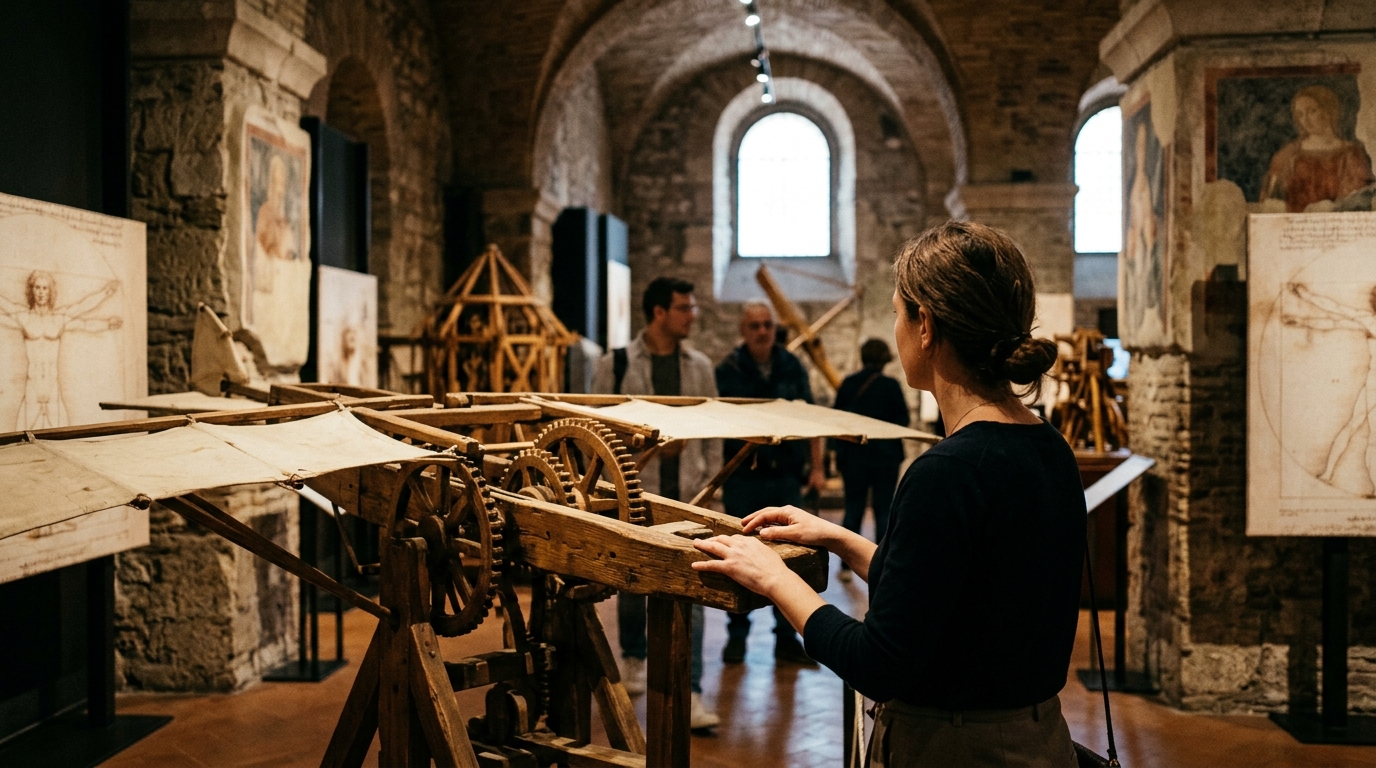
Rome is globally recognized as the eternal city of ancient ruins and papal history, yet it holds a profound secret dedicated to the ultimate polymath. Yes, there is a dedicated Leonardo da Vinci museum in Rome, located in the heart of the historic center. This unique institution, known as the Museo Leonardo da Vinci in Piazza del Popolo, offers an immersive journey into the mind of history's greatest genius. It stands as a testament to his multifaceted brilliance, bridging the gap between Renaissance art and modern scientific curiosity. (Museo Leonardo da Vinci)
Location and Accessibility
Finding the museum is straightforward for any visitor navigating the vibrant streets of Rome. The Museo Leonardo da Vinci is situated at the end of Via del Corso, a major shopping thoroughfare that leads directly to Piazza del Popolo. This strategic location places it within a 5-minute walk from the Spanish Steps, one of Rome's most iconic landmarks. The accessibility of the museum makes it an ideal stop for tourists who wish to combine cultural education with sightseeing.
The museum is housed in the underground vaults of the Basilica Santa Maria del Popolo. This subterranean setting provides a unique atmospheric experience, separating the visitor from the bustling city above and creating a contemplative space for exploring Leonardo's work. The entrance is clearly marked, and the proximity to major tourist hubs ensures that it is easy to include in any daily itinerary. Visit the Info page for the most current opening hours and ticketing details.
Interactive Exhibits and Inventions
What sets this museum apart from traditional art galleries is its focus on Leonardo's role as an inventor and engineer. Leonardo da Vinci is widely celebrated as a leading Renaissance painter and sculptor, but his work as an engineer remained hidden for many centuries. It is only relatively recently that a complete analysis of his work has revealed the full scope of his genius. The museum brings these hidden innovations to life through detailed, interactive models.
Visitors can explore working replicas of Leonardo's most famous machines. These include flying machines, war engines, and hydraulic pumps. The exhibits are designed to be hands-on, allowing guests to understand the mechanical principles behind his sketches. This interactive approach demystifies complex engineering concepts, making them accessible to all ages. Explore the gallery to see previews of the mechanical models on display.
The museum also highlights Leonardo's ability to merge art and science. His designs for bridges, canals, and urban planning show a forward-thinking mindset that was centuries ahead of his time. By examining these models, visitors gain a deeper appreciation for how his artistic observations informed his engineering solutions. This holistic view of his genius is central to the museum's educational mission.
Anatomy and Scientific Discovery
One of the most compelling aspects of the museum is its dedication to Leonardo's anatomical studies. Leonardo da Vinci is defined as a master artist who conducted detailed dissections to understand the human body. His anatomical sketches are renowned for their precision and artistic beauty. The museum displays high-quality reproductions of these drawings, allowing visitors to study the intricate details of muscles, bones, and organs.
These sketches were not merely artistic endeavors but scientific investigations. Leonardo sought to understand the mechanics of movement and the structure of life itself. His work in anatomy laid the groundwork for modern medical illustration. The museum provides context for these drawings, explaining how they contributed to the broader scientific understanding of the Renaissance period. Read more about the museum's history and its commitment to preserving this legacy.
The anatomical section also touches on Leonardo's contributions to botany and geology. His observations of plant structures and rock formations demonstrate his keen eye for natural patterns. These studies reveal a mind that was constantly curious about the natural world. The museum effectively communicates the breadth of his intellectual pursuits, showing that he was not just a painter but a true scientist.
The Basilica Santa Maria del Popolo
Visiting the museum is often combined with a tour of the Basilica Santa Maria del Popolo, which sits directly above the underground vaults. This basilica is a major papal church, second only in importance to St. Peter's Basilica. It is one of the seven pilgrim churches in Rome, making it a significant site for both religious and historical tourism. The connection between the museum and the basilica creates a rich cultural experience.
Inside the basilica, visitors can view original paintings by Caravaggio from the 1600s. The Chigi Chapel, built and decorated by the legendary Raphael, is another highlight. These artistic treasures complement the study of Leonardo by showcasing the broader artistic achievements of the Renaissance in Rome. The basilica is also the burial site of 6 popes, adding to its historical weight. Check the info page for combined ticket options or guided tour schedules.
The legend that the emperor Nero is buried deep below the church adds a layer of mystery to the site. While this is folklore, it enhances the allure of exploring the underground spaces. The juxtaposition of Leonardo's scientific rationalism with the basilica's religious and legendary history creates a fascinating contrast. This duality is a key part of the Rome experience, offering both intellectual stimulation and spiritual reflection.
Museum vs. Original Artworks
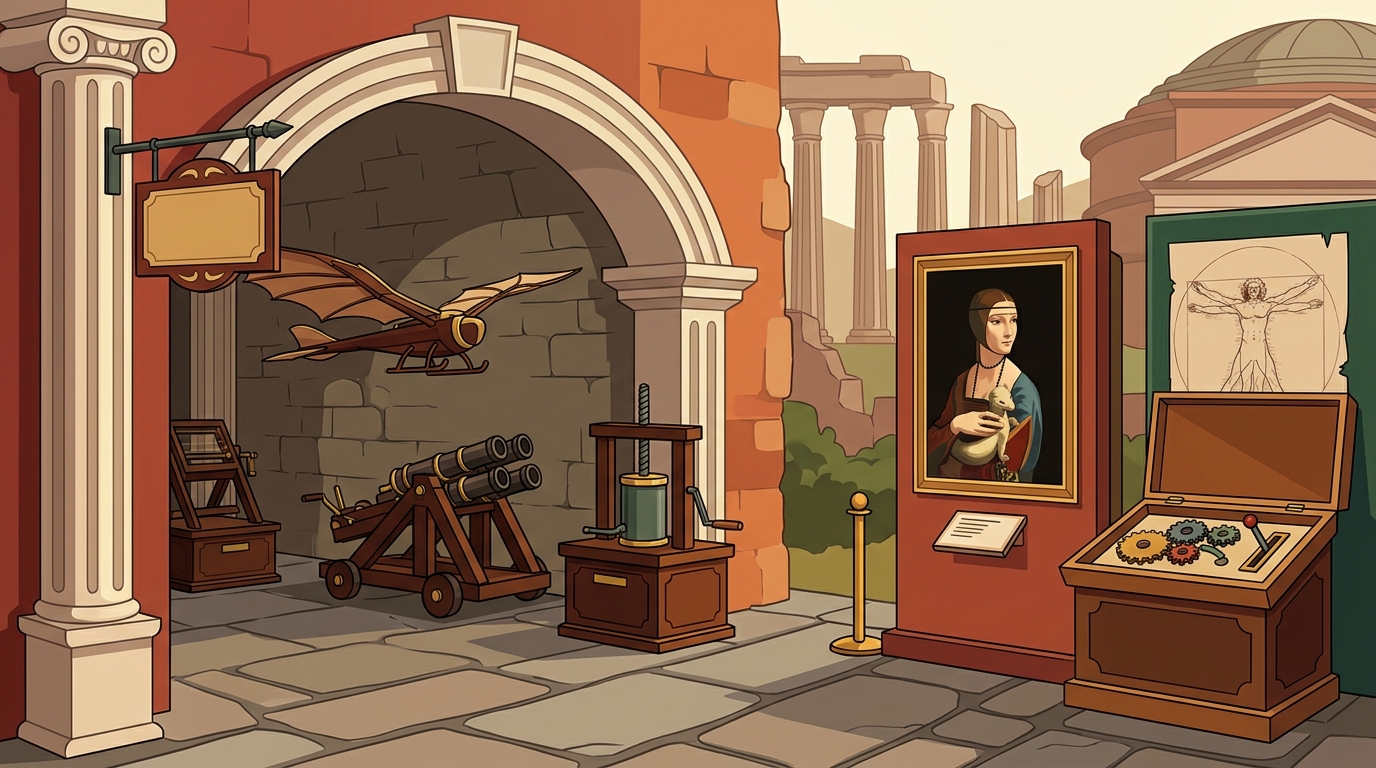
It is important to clarify what visitors can and cannot see at the Museo Leonardo da Vinci. While you won't see the original artworks at this museum, you will discover his incredible story through replicas and models. The original Mona Lisa and The Last Supper are housed in the Louvre in Paris and the Santa Maria delle Grazie in Milan, respectively. This museum focuses on the process of creation rather than the final paintings.
The museum serves as a companion to the original works, providing the context needed to fully appreciate them. By understanding Leonardo's inventions and anatomical studies, visitors gain a deeper insight into the techniques and thoughts behind his paintings. This approach is particularly valuable for those who plan to visit the major art museums in Europe. It enhances the overall understanding of the Renaissance era.
The museum is the most popular dedicated Leonardo museum in Rome, making it a must-see stop on the Rome itinerary. It is great for all the family to enjoy, offering an engaging alternative to traditional art galleries. The interactive nature of the exhibits keeps younger visitors engaged while providing ample material for adults. Book your tickets now to ensure entry and avoid long queues.
Key Takeaways
- The museum is located in the underground vaults of Basilica Santa Maria del Popolo.
- It is situated at the end of Via del Corso, a 5-minute walk from the Spanish Steps.
- Leonardo was anointed the master artist of Florence at the age of 18.
- The museum features interactive models of Leonardo's inventions and machines.
- Original artworks like the Mona Lisa are not present; the focus is on his process.
- The basilica above houses original Caravaggio paintings and the Chigi Chapel.
- The museum is a key part of the seven pilgrim churches circuit in Rome.
Frequently Asked Questions
Where exactly is the Leonardo da Vinci museum located?
The museum is located in the underground vaults of the Basilica Santa Maria del Popolo, at the end of Via del Corso in Rome.
Can I see the original Mona Lisa here?
No, the original Mona Lisa is in the Louvre in Paris. This museum features interactive models and studies related to Leonardo's work.
Is the museum suitable for children?
Yes, the museum is great for all the family to enjoy, with interactive exhibits that engage younger visitors.
How long does a typical visit take?
A typical visit lasts about 1 to 2 hours, depending on your interest in the interactive models and the adjacent basilica.
Do I need to book tickets in advance?
It is highly recommended to book tickets in advance to secure your entry and avoid waiting in line, especially during peak tourist seasons.
What other attractions are nearby?
Nearby attractions include the Spanish Steps, the Pantheon, and the Trevi Fountain, all within walking distance.
Is the basilica free to enter?
Entry to the basilica usually requires a small donation or ticket, which may be separate from the museum ticket.
Plan Your Visit
Discover the greatest genius of all time in the heart of Rome by visiting the Museo Leonardo da Vinci. This unique museum offers a rare glimpse into the mind of Leonardo da Vinci, blending art, science, and history in a captivating underground setting. Whether you are an art enthusiast, a history buff, or a curious traveler, this museum provides an inspiring experience that complements your Roman holiday.
Don't miss your chance to be inspired. Combine your visit with the stunning Basilica Santa Maria del Popolo for a complete cultural experience. Book your visit today and immerse yourself in the world of Leonardo da Vinci.