
How to Navigate Museo Leonardo da Vinci: A Complete Visitor's Guide
Planning a trip to Rome requires precise logistical coordination, especially when targeting high-traffic cultural landmarks. According to recent tourism data, the Basilica Santa Maria del Popolo and its adjacent underground museums receive over 1 million visitors annually, making efficient navigation critical for a stress-free experience. This guide provides the exact steps to locate, enter, and explore the Museo Leonardo da Vinci in Piazza del Popolo, ensuring you maximize your time with the genius of the Renaissance. (Museo Leonardo da Vinci)
Locating the Museum in Rome
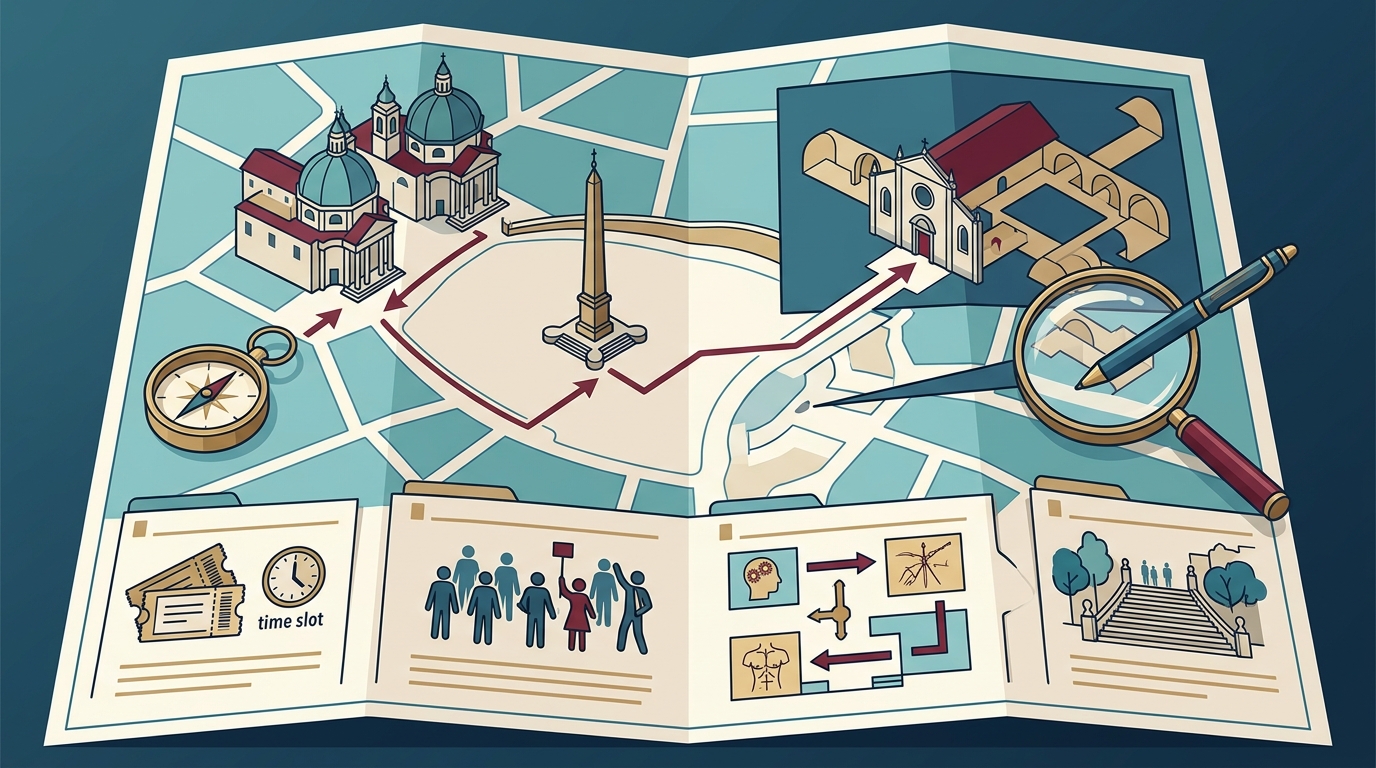
The Museo Leonardo da Vinci is situated in the heart of Rome, specifically at the northern end of Via del Corso. This strategic location places it within a 5-minute walk from the iconic Spanish Steps, making it an ideal stop for tourists already navigating the historic center. The museum is embedded within the underground vaults of the Basilica Santa Maria del Popolo, a major papal basilica that ranks second in importance only to St. Peter's Basilica in Vatican City.
For visitors arriving by public transport, the nearest metro station is Spagna (Line A), which serves as the primary gateway to this district. From the Spagna exit, head south down Via del Corso. The entrance to the museum is discreetly located at the end of this bustling shopping street, just before you reach the open expanse of Piazza del Popolo. Look for signage directing you to the Basilica Santa Maria del Popolo to find the specific access point.
Understanding the geography is essential because the museum is not a standalone building but an integral part of the church complex. This architectural integration means that navigation requires a shift in mindset from traditional museum entry to ecclesiastical site access. The underground vaults provide a unique, climate-controlled environment that preserves the intricate models and sketches on display, offering a stark contrast to the bright, open piazza above.
Underground Access and Entry
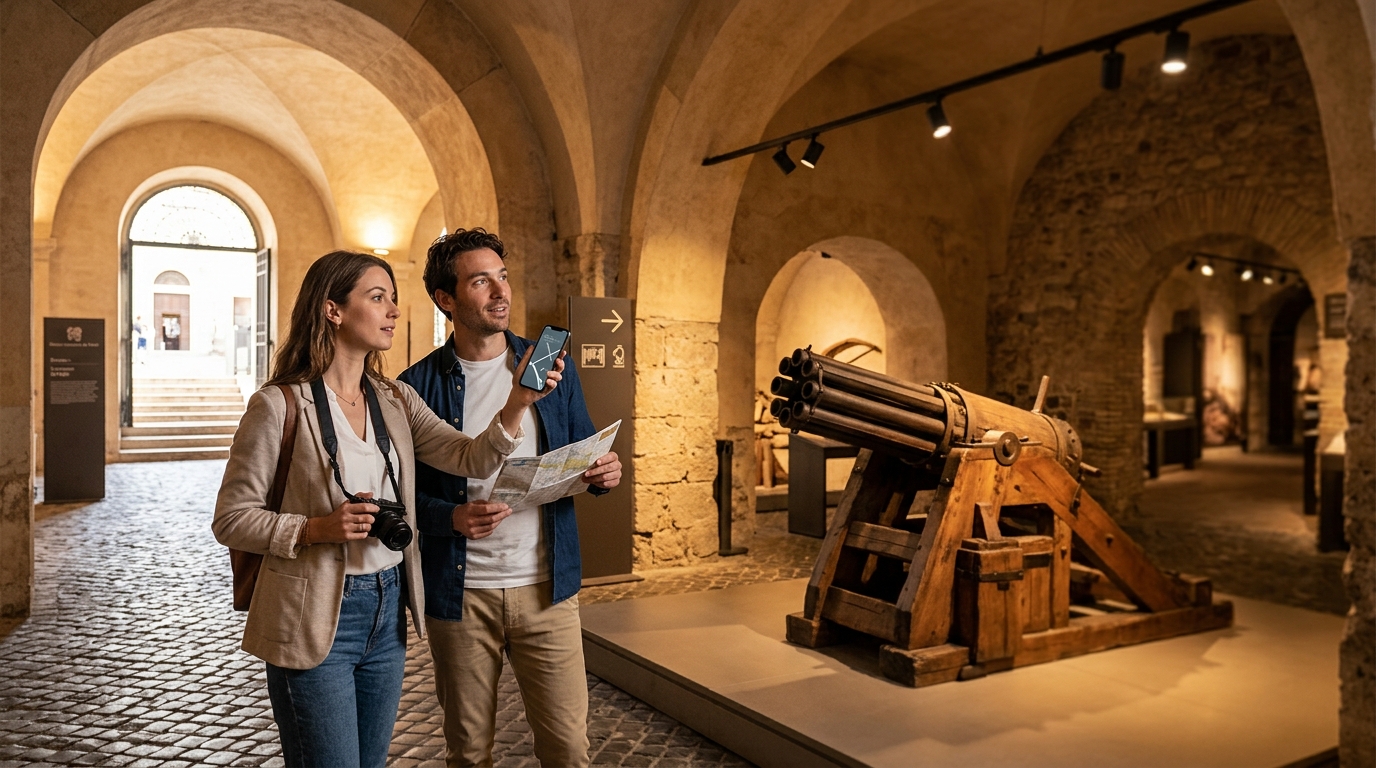
Accessing the museum involves descending into the historic crypts and vaults beneath the basilica. The entrance is typically located through the church itself or via a dedicated side entrance near the piazza. Visitors must navigate a series of stairs and ramps to reach the underground level. It is important to note that while the museum is accessible, the historic nature of the building means that some areas may have limited space for large groups or wheelchairs.
The journey from the street level to the exhibition halls takes you through layers of Roman history. You will pass through the sacred spaces of the basilica before entering the dedicated museum zones. This transition is designed to prepare visitors for the immersive experience ahead. The underground setting creates a focused atmosphere, free from the distractions of the city above, allowing for deep engagement with Leonardo's work.
Upon reaching the ground floor of the museum, you will be greeted by the first of many interactive displays. The layout is designed to guide you chronologically and thematically through Leonardo's life. Start by orienting yourself with the initial exhibits on his early life in Florence. From there, the path winds through his time in Milan, his return to Florence, and his final years in France. Each section is clearly marked, but following the flow of the underground vaults naturally leads you through the narrative.
Booking and Ticketing Logistics
To ensure entry and avoid long queues, it is highly recommended to book your tickets in advance. The museum is the most popular dedicated Leonardo museum in Rome, and capacity limits are strictly enforced to protect the historic site. You can secure your tickets online through the official website, which provides real-time availability and time-slot selection.
When booking, consider the type of experience you wish to have. Standard admission grants access to the permanent exhibition, which includes detailed anatomical sketches, groundbreaking inventions, and startling scientific discoveries. For a more comprehensive experience, look for bundled packages that include access to the Basilica Santa Maria del Popolo and its Chigi Chapel. These bundles often provide significant value and streamline the navigation process by allowing direct entry to both sites.
Payment methods are typically limited to major credit cards and digital wallets on the official site. Ensure that you have a valid form of identification ready, as your ticket may be checked upon entry. The museum operates on a strict schedule, so arriving late may result in denied entry or a shortened visit. Plan your arrival time to allow for security checks and the descent into the underground vaults.
Navigating the Exhibition Flow
Once inside, the exhibition is divided into thematic zones that explore Leonardo's multifaceted genius. The first major section focuses on his role as an artist. Here, you will find detailed reconstructions and studies related to his most famous works, including the Mona Lisa, The Last Supper, and The Vitruvian Man. While the original artworks are not present, the museum provides an unparalleled look at his preparatory sketches and technical methods.
The next section delves into his work as an engineer and inventor. This area features large-scale models of his flying machines, war engines, and architectural designs. These models are not mere replicas but are based on his original codices, offering a tangible understanding of his innovative thinking. The interactive elements in this section allow visitors to see how his mechanical concepts would function in reality, bridging the gap between art and science.
The final section covers his scientific studies, particularly his anatomical drawings. Leonardo's dissections were groundbreaking for their time, and the museum displays high-fidelity reproductions of his detailed sketches of the human body. These drawings reveal his meticulous approach to observation and his desire to understand the mechanics of life. The underground setting enhances the solemnity of this section, inviting quiet reflection on his contributions to medicine and biology.
Combining with Santa Maria del Popolo
A complete visit to this district should include the Basilica Santa Maria del Popolo itself. The church is a masterpiece of Renaissance architecture and houses original Caravaggio paintings from the 1600s. The Chigi Chapel, built and decorated by the legendary Raphael, is a highlight that cannot be missed. Combining your museum visit with the church tour provides a holistic view of the artistic and historical context of the period.
The connection between the museum and the church is both physical and thematic. The museum is literally built into the church's foundation, and the exhibits often reference the religious and cultural milieu of the basilica. By exploring both, you gain a deeper appreciation for how Leonardo's work was influenced by and contributed to the broader artistic landscape of Rome. The church also serves as the burial site of 6 popes, adding a layer of historical depth to your visit.
For those interested in local legends, the church is also associated with the infamous emperor Nero. Legend has it that Nero is buried deep below the church, adding a touch of mystery to the site. This blend of verified history and local lore makes the area a compelling destination for history enthusiasts. Ensure you allocate enough time to explore both the museum and the church without feeling rushed.
Key Takeaways
- The museum is located at the end of Via del Corso, a 5-minute walk from the Spanish Steps.
- It is situated in the underground vaults of the Basilica Santa Maria del Popolo.
- Advance booking is essential due to high visitor volume and capacity limits.
- The exhibition covers Leonardo's work as an artist, engineer, and scientist.
- Combined tickets with the basilica offer better value and streamlined access.
- The church houses original Caravaggio paintings and the Chigi Chapel by Raphael.
- The site is a major papal basilica, second only to St. Peter's in importance.
Frequently Asked Questions
How long does it take to visit the museum?
Most visitors spend between 60 to 90 minutes exploring the underground exhibition. This allows sufficient time to engage with the interactive models and detailed sketches without rushing.
Is the museum accessible for wheelchair users?
While the museum is located in historic underground vaults, efforts have been made to provide access. However, some areas may have limitations due to the architectural constraints of the basilica. It is advisable to contact the museum directly for specific accessibility needs.
Can I visit the basilica and museum separately?
Yes, but it is often more efficient to purchase a combined ticket. This allows you to navigate both sites seamlessly and ensures you do not miss the key exhibits in either location.
What are the opening hours?
The museum typically operates daily, but hours can vary by season. It is best to check the official schedule before your visit to avoid any disruptions.
Are there guided tours available?
Yes, guided tours are available in multiple languages. These tours provide deeper insights into Leonardo's work and the historical context of the basilica. Booking in advance is recommended.
Is photography allowed inside the museum?
Photography without flash is generally permitted in the exhibition areas. However, please respect the historic nature of the site and avoid obstructing other visitors.
What is the best time to visit?
Early morning or late afternoon visits are recommended to avoid the largest crowds. Weekdays are generally less busy than weekends, providing a more peaceful experience.
Plan Your Visit Today
Navigating Museo Leonardo da Vinci requires a bit of planning, but the reward is an immersive journey into the mind of one of history's greatest geniuses. By understanding the location, booking in advance, and combining your visit with the Basilica Santa Maria del Popolo, you can ensure a seamless and enriching experience. Do not miss this opportunity to be inspired by the groundbreaking inventions and artistic mastery of Leonardo da Vinci. Book your tickets now to secure your place in this unique underground exhibition.