
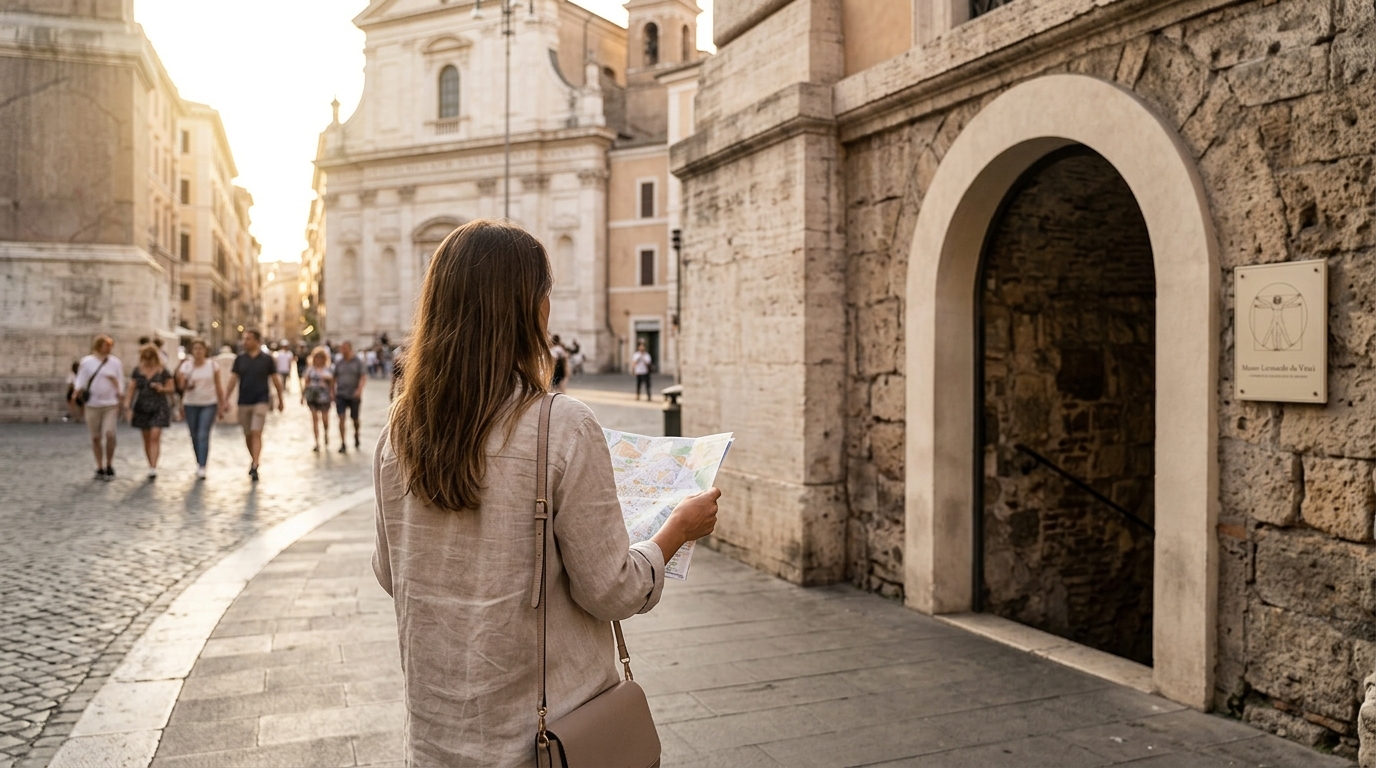
Best Things to Do Near Piazza del Popolo in Rome
Piazza del Popolo stands as the northern gateway to Rome, serving as a critical transit hub for millions of visitors each year. According to recent tourism data, this expansive square acts as the primary entry point for travelers arriving from the north, connecting the historic center with the Trastevere and Vatican districts. Understanding the layout and immediate surroundings of this plaza is essential for navigating the city efficiently. The area is not merely a traffic circle but a layered historical site that offers immediate access to some of the most significant artistic and architectural treasures in Italy. (Museo Leonardo da Vinci)
Explore the Museo Leonardo da Vinci
For those seeking a deep dive into the mind of history's most famous polymath, the Museo Leonardo da Vinci is an indispensable stop. Located in the underground vaults of the Basilica Santa Maria del Popolo, this museum offers a unique perspective on the Renaissance genius. Leonardo da Vinci is widely celebrated as a leading Renaissance painter and sculptor, but his work as an engineer and scientist remains equally compelling. The museum allows visitors to see 3D models of his inventions, from flying machines to military tanks, brought to life through interactive displays.
The experience is designed to be accessible to all ages, making it a perfect starting point for families. While you will not see the original artworks like the Mona Lisa here, the museum provides the necessary context to understand his creative process. The institution is the most popular dedicated Leonardo museum in Rome, drawing crowds who wish to be inspired by his boundless curiosity. For more information on exhibitions and opening hours, you can visit the official museum info page.
Visit Basilica Santa Maria del Popolo
Adjacent to the museum lies the Basilica Santa Maria del Popolo, a major papal basilica second only in importance to St. Peter's in terms of its historical significance within the city's early modern period. This church is one of the seven pilgrim churches in Rome, making it a key destination for religious tourism and art history enthusiasts alike. The interior houses two of the most important Caravaggio paintings in existence: "The Conversion of Saint Paul" and "The Crucifixion of Saint Peter".
These masterpieces are not merely decorative; they represent a radical shift in Baroque art, utilizing dramatic lighting and realistic human emotion. The church also contains the magnificent Chigi Chapel, built and decorated by the legendary Raphael. Santa Maria is the burial site of six popes, adding to its gravitas. Understanding the architectural evolution of this space provides insight into the power dynamics of the Vatican during the 16th and 17th centuries. You can read more about the church's history on the museum about page.
Climb the Pincio Hills for Panoramic Views
Directly behind the basilica, the Pincio Hills offer one of the most rewarding views in Rome. The gardens here are meticulously landscaped, featuring fountains, statues, and wide terraces that overlook the piazza below. This area serves as a tranquil escape from the bustling streets of the historic center. The view from the terrace provides a direct line of sight to the dome of St. Peter's Basilica, creating a perfect photographic composition.
Visiting during sunset is particularly recommended, as the golden light illuminates the ancient ruins and modern cityscape simultaneously. The Pincio is also home to the Belvedere, a historic viewing platform that has been a favorite spot for artists and writers for centuries. The accessibility of the gardens makes them suitable for visitors of all mobility levels, with paved paths winding through the greenery. For detailed maps of the garden layout, check the gallery section of the museum website.
Discover the Flaminio Neighborhood
The area surrounding Piazza del Popolo, known as Flaminio, offers a different vibe from the ancient ruins of the city center. This neighborhood is characterized by its elegant architecture, boutique shops, and vibrant café culture. It is a hub for both locals and tourists, providing a mix of high-end retail and everyday urban life. The streets here are lined with historic buildings that reflect the architectural styles of the late 19th and early 20th centuries.
Shopping enthusiasts will find a variety of stores ranging from international brands to local Italian designers. The culinary scene is equally diverse, with numerous trattorias and gelaterias offering authentic Roman cuisine. The neighborhood also serves as a gateway to the Villa Borghese, one of Rome's largest public parks. Exploring this area provides a glimpse into the modern side of Rome, contrasting sharply with the ancient history found in the nearby historic center. For dining recommendations and local insights, consult the museum gallery for nearby cultural points of interest.
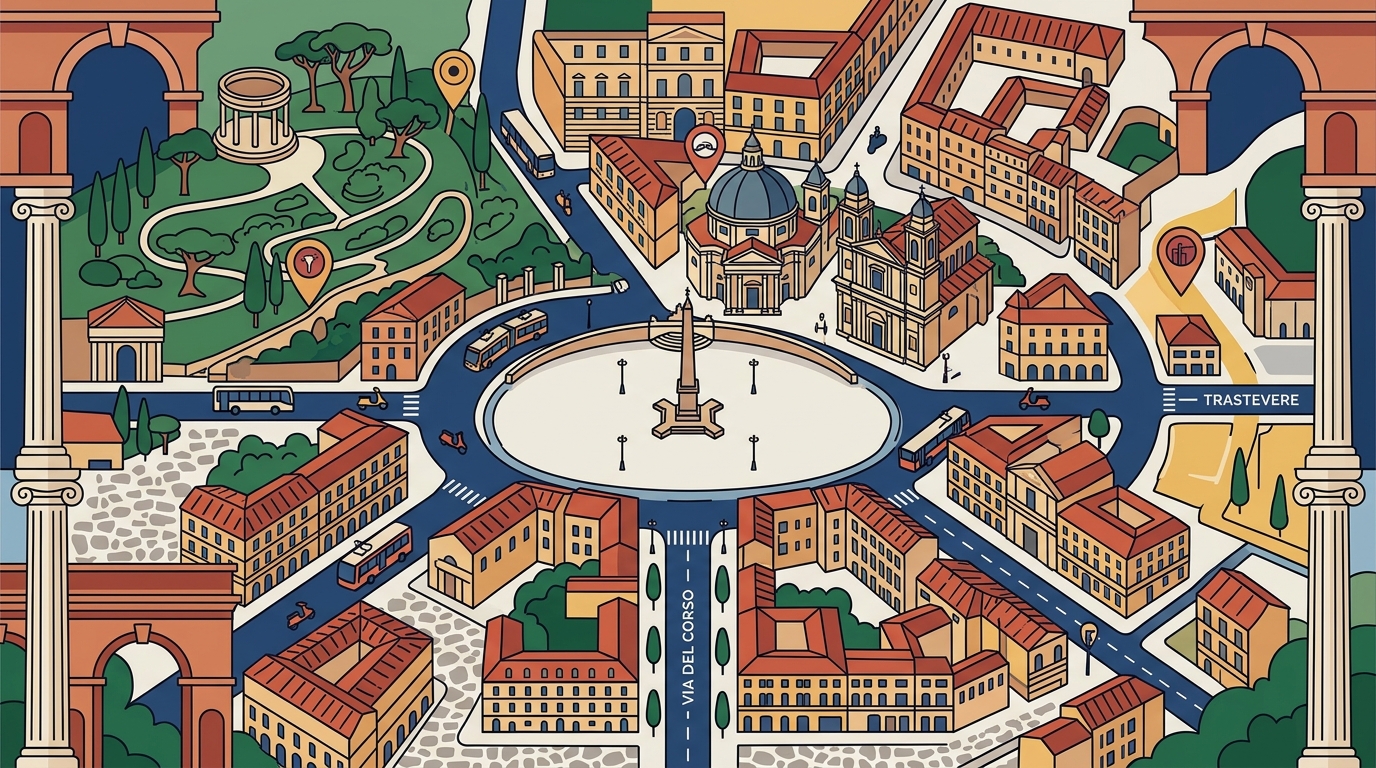
Navigate via Via del Corso
Starting from the piazza, Via del Corso is one of the main shopping streets in Rome. This avenue connects Piazza del Popolo to Piazza Venezia, passing through the heart of the historic center. The street is lined with historic palaces and modern storefronts, creating a dynamic urban corridor. Walking down this street offers a continuous view of architectural history, from Renaissance palazzi to 19th-century facades.
The pedestrian-friendly nature of the lower section makes it ideal for leisurely strolls. Visitors can easily access major landmarks such as the Spanish Steps and the Trevi Fountain within a 20-minute walk. The street is also home to several historic cafes where you can enjoy a coffee while observing the flow of people. For those interested in the historical context of the street, the museum info page provides additional resources on the area's significance.
Key Takeaways
- The Museo Leonardo da Vinci is located in the underground vaults of Basilica Santa Maria del Popolo, offering interactive exhibits of the genius's inventions.
- Basilica Santa Maria del Popolo houses two original Caravaggio paintings and is one of the seven pilgrim churches in Rome.
- The Pincio Hills provide panoramic views of Rome and are accessible via a gentle climb from the piazza.
- Via del Corso is the primary shopping artery connecting the piazza to the Spanish Steps and the historic center.
- The Flaminio neighborhood offers a mix of elegant architecture, boutique shopping, and local dining experiences.
- Leonardo da Vinci was anointed the master artist of Florence at the age of 18, a fact highlighted in the museum's introductory displays.
- The museum is the most popular dedicated Leonardo museum in Rome, making it a must-see stop on any Rome itinerary.
Frequently Asked Questions
How long does it take to visit the Museo Leonardo da Vinci?
Most visitors spend between 45 minutes to an hour exploring the museum's interactive exhibits and 3D models of Leonardo's inventions.
Is the Basilica Santa Maria del Popolo free to enter?
Entry to the basilica is generally free, but there is a small fee to access the museum located in its underground vaults. You can book tickets in advance via the book now page.
What is the best time to visit the Pincio Hills?
Sunset is widely considered the best time to visit, offering optimal lighting for photography and a cooler temperature for walking.
How far is the Spanish Steps from Piazza del Popolo?
The Spanish Steps are approximately a 15 to 20-minute walk down Via del Corso, depending on your pace and stops along the way.
Can I see the original Mona Lisa in Rome?
No, the original Mona Lisa is housed in the Louvre Museum in Paris. The Museo Leonardo da Vinci in Rome features 3D models and studies related to the work.
Is the area safe for tourists at night?
Piazza del Popolo and the surrounding Flaminio area are generally safe, but standard precautions against pickpocketing should be taken in crowded areas.
What architectural style is the Chigi Chapel?
The Chigi Chapel is a prime example of Mannerist architecture, designed by Raphael and featuring intricate stucco work and frescoes.
Plan Your Visit Today
Ready to experience the genius of Leonardo and the grandeur of Rome? Start your journey at the Museo Leonardo da Vinci and explore the surrounding historic landmarks. For more information on tickets and opening hours, visit the museum info page or book your visit now.