
The Appeal of Underground Museum Spaces
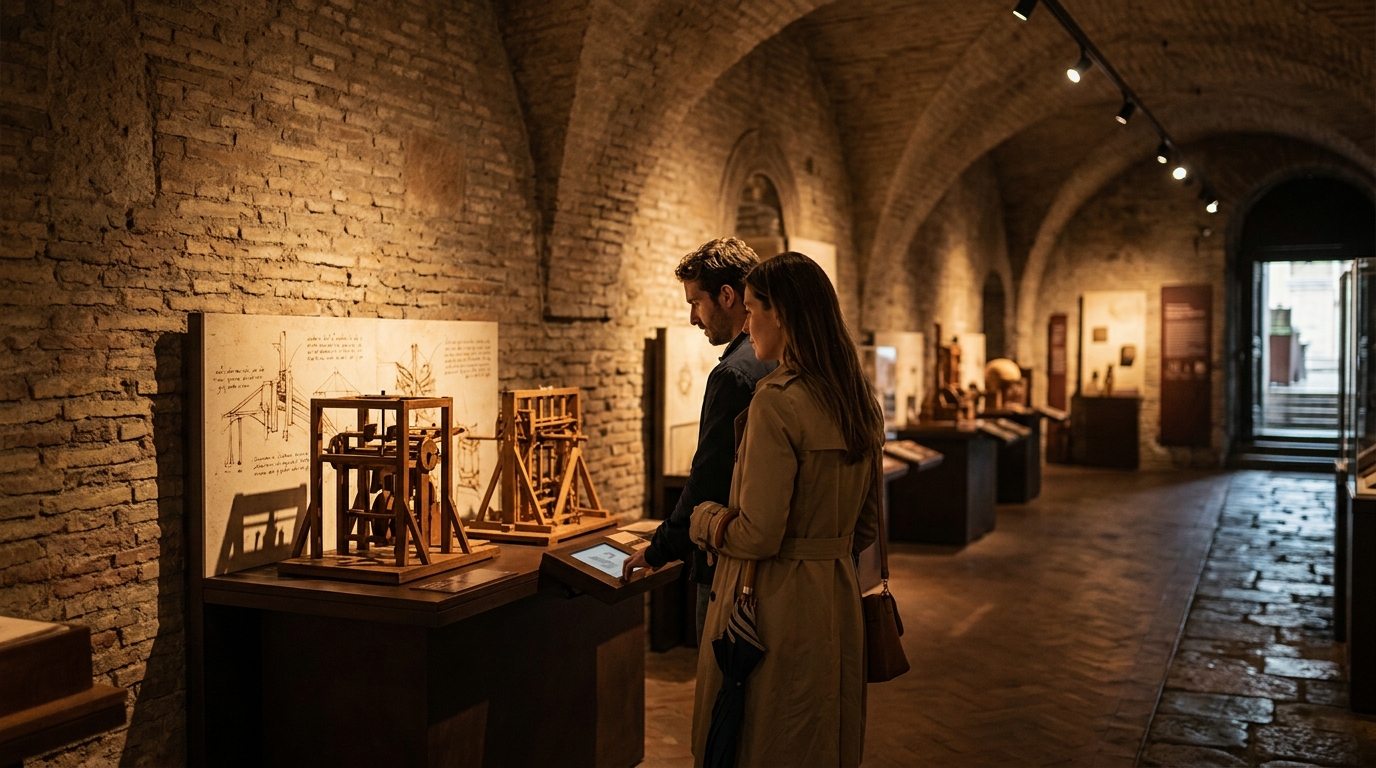
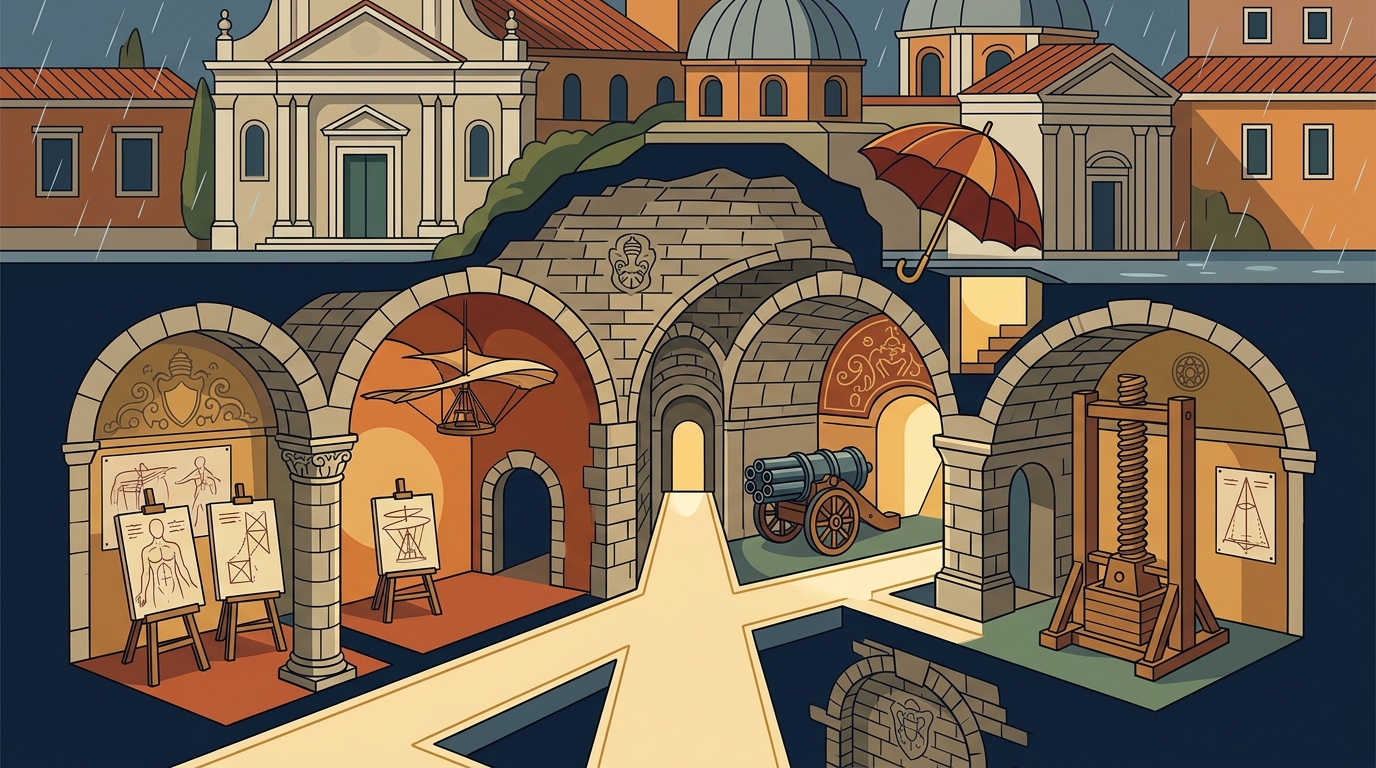
The Museo Leonardo da Vinci is situated in the underground vaults of the Basilica of Santa Maria del Popolo. This specific location is significant because it places the visitor in the heart of Rome's historic center. You are not just viewing art; you are standing in a space that has witnessed centuries of papal history. The transition from the bustling streets of Via del Corso to the quiet, vaulted chambers below creates a powerful shift in perspective. This environment encourages slower, more thoughtful observation of the exhibits. according to Museo del Cenacolo
Interactive Exhibits and Scientific Discovery
Traditional art museums often display static paintings that require passive viewing. In contrast, modern interactive museums engage the visitor through hands-on learning. Interactive exhibits are defined as displays that allow users to manipulate, test, or experience the subject matter directly. This approach is particularly effective for understanding complex scientific concepts that Leonardo da Vinci pioneered.
At the Leonardo da Vinci Museum, visitors can explore replicas of his inventions and anatomical studies. You can see how he designed flying machines, war machines, and hydraulic systems. These are not just glass cases; they are functional demonstrations of his engineering principles. For example, you can observe the mechanics of his armored vehicle or the flow of water in his canal designs. This active engagement makes the history of science accessible to all ages, from children to academic researchers. It transforms a rainy afternoon into a productive learning session. according to web page template
Location and Accessibility in Central Rome
Choosing a museum for a rainy day requires considering logistics. You want a location that is easy to reach and close to other amenities. The Museo Leonardo da Vinci is located at the end of Via del Corso, a major shopping and pedestrian street. It is only a five-minute walk from the Spanish Steps. This central position means you can easily combine your museum visit with lunch or shopping in the surrounding area.
Proximity to major landmarks is a key benefit. You are close to Piazza del Popolo, one of Rome's most famous squares. If the rain stops, you can step outside to admire the Baroque architecture. If it continues, you can retreat to nearby cafes or shops. This flexibility makes the museum an ideal anchor for a rainy day itinerary. You do not need to travel long distances to experience high-quality cultural content. The ease of access ensures that your time is spent exploring, not commuting.
Planning Your Visit for Maximum Value
To make the most of your time indoors, you should plan your visit strategically. Time management is crucial when you have a limited window of good weather or energy. Most visitors spend between one and two hours at the Museo Leonardo da Vinci. This duration allows you to see all the major exhibits without feeling rushed. You can read the detailed descriptions, interact with the displays, and take photos of your favorite pieces.
It is also wise to check the museum's opening hours and booking requirements. While the museum is generally accessible, planning ahead can save you time. You can visit the booking page to secure your entry. This ensures that you do not have to wait in line in the rain. By combining a focused museum visit with a nearby meal, you can create a full-day itinerary that is both educational and enjoyable. The key is to balance deep engagement with rest, ensuring you leave the museum feeling inspired rather than exhausted.
Key Takeaways
- The Museo Leonardo da Vinci offers a unique underground setting in the heart of Rome.
- Interactive exhibits allow visitors to engage directly with Leonardo's scientific inventions.
- The museum's location near the Spanish Steps makes it easy to combine with other activities.
- Underground spaces provide a comfortable, climate-controlled environment during rainy weather.
- Planning your visit in advance helps you maximize your time and avoid waiting in line.
- The museum is a great option for families, students, and history enthusiasts alike.
Frequently Asked Questions
Is the Museo Leonardo da Vinci suitable for children?
Yes, the museum is highly suitable for children. The interactive nature of the exhibits makes it engaging for young visitors. They can touch and test the replicas of Leonardo's inventions, which helps them learn in a fun way.
How long does it take to visit the museum?
Most visitors spend between one and two hours exploring the exhibits. This allows enough time to see all the major displays and read the informational materials without feeling rushed.
Where exactly is the museum located?
The museum is located in the underground vaults of the Basilica of Santa Maria del Popolo. It is at the end of Via del Corso, just a short walk from the Spanish Steps.
Do I need to book tickets in advance?
While walk-ins are often accepted, it is recommended to check the booking page for the latest information. Booking in advance can save you time, especially during peak tourist seasons.
Is the museum accessible for people with mobility issues?
The museum is located underground, which may involve stairs. It is best to check with the museum directly for specific accessibility details before your visit.
What kind of exhibits can I expect to see?
You can see replicas of Leonardo's flying machines, war machines, and anatomical sketches. The exhibits focus on his scientific discoveries and engineering principles.