
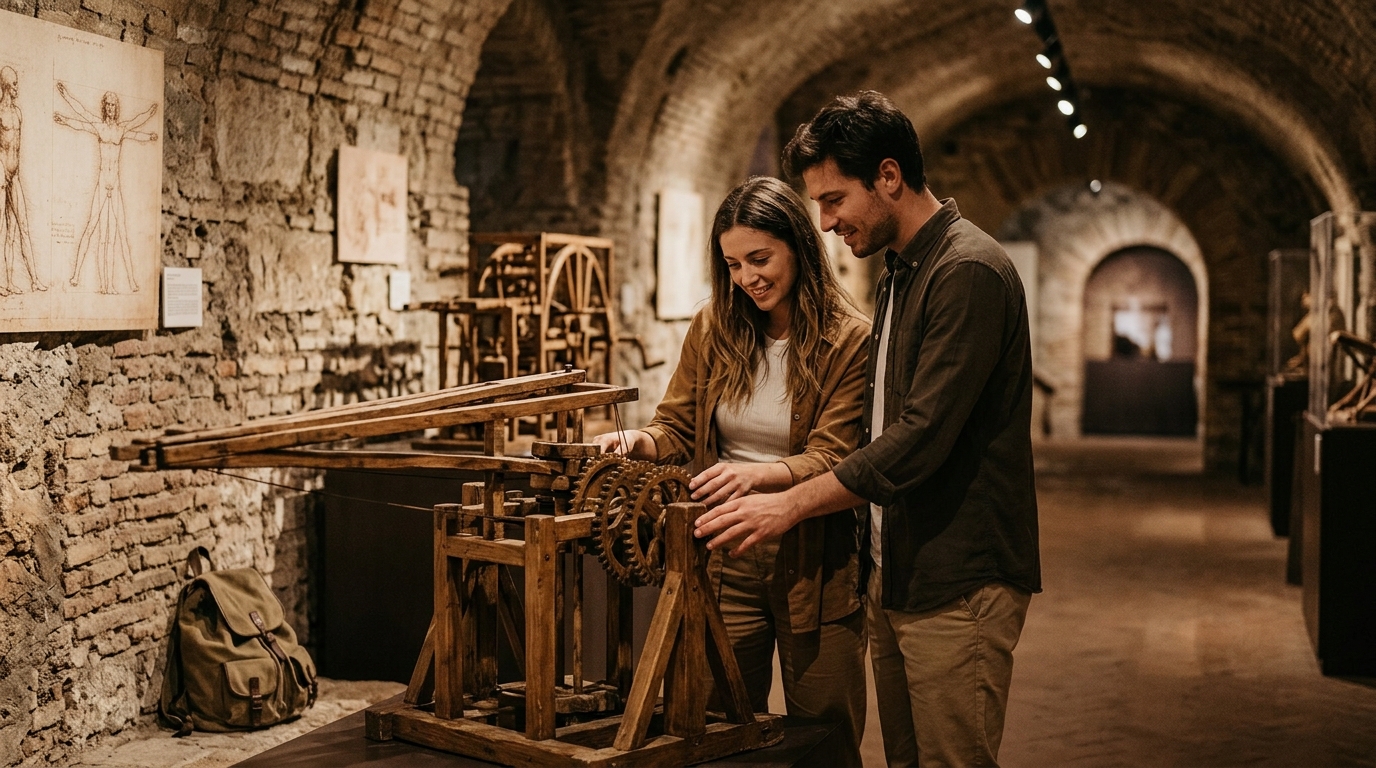
Rome is often defined by its colossal ancient ruins, yet the city holds a secret layer of cultural depth that few tourists ever discover. While millions flock to the Vatican Museums and the Colosseum every year, a growing number of travelers are seeking out the city's more intimate, intellectually stimulating venues. These hidden gems offer a profound connection to history, art, and science without the overwhelming crowds. According to recent tourism data, niche cultural tourism in Italy has seen a significant rise, with visitors increasingly prioritizing unique experiences over standard sightseeing. This shift highlights a desire for authentic engagement with the city's heritage. By exploring these lesser-known institutions, you unlock a deeper understanding of Rome's multifaceted identity. This guide curates the most compelling unique museums in the capital, starting with a tribute to one of history's greatest minds. (Museo Leonardo da Vinci)
The Interactive Genius of Leonardo da Vinci
One of the most fascinating and unique museums in Rome is the Museo Leonardo da Vinci located in the heart of the city near Piazza del Popolo. This institution is not merely a gallery; it is an immersive journey into the mind of the ultimate Renaissance polymath. Located in the underground vaults of the Basilica Santa Maria del Popolo, the museum offers a stark contrast to the typical art museum experience. It focuses on the intersection of art, science, and engineering, showcasing Leonardo's groundbreaking inventions and anatomical studies.
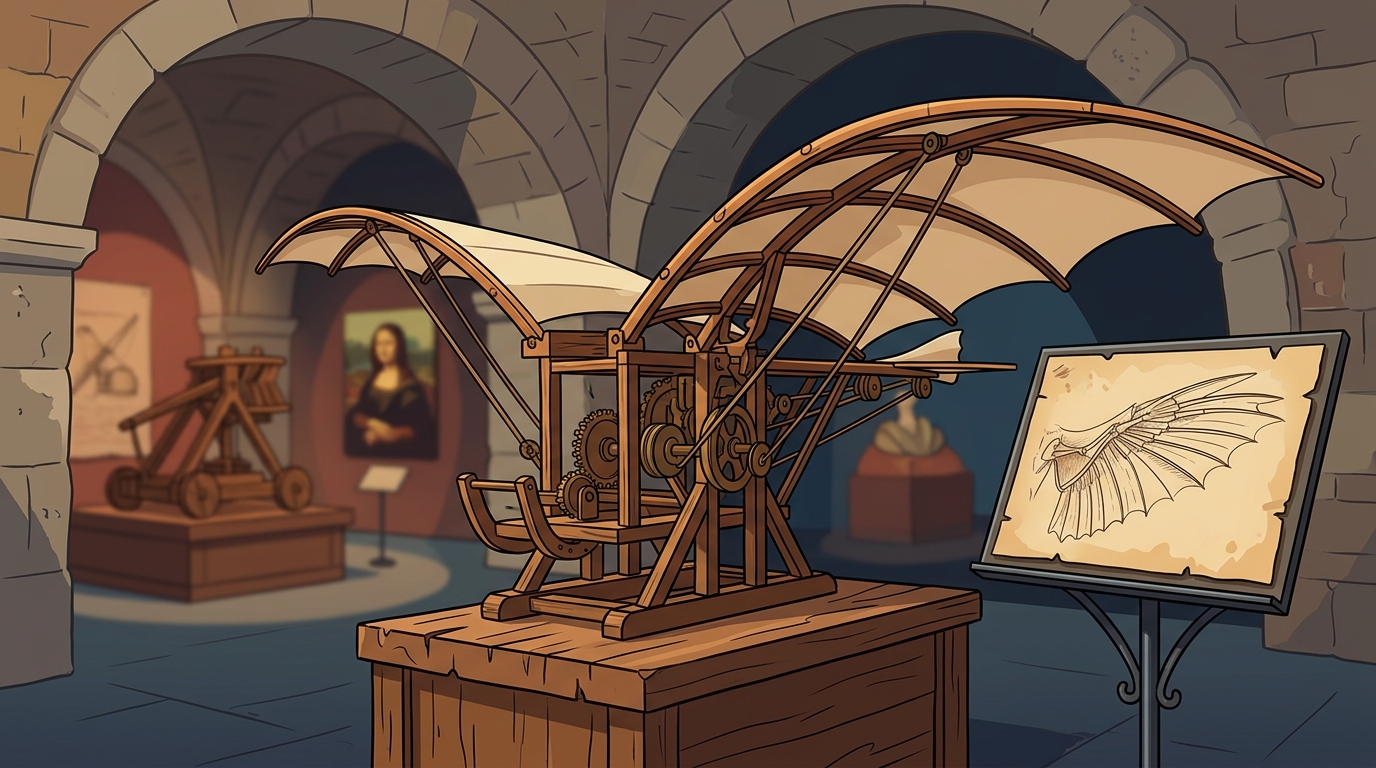
Leonardo da Vinci is widely celebrated as a leading Renaissance painter and sculptor, but although he was also known as an engineer and a scientist, his work in these fields remained hidden for many centuries. The museum brings this hidden genius to light through detailed models and interactive displays. Visitors can explore his passion for flight, his detailed anatomical sketches, and his startling scientific discoveries. It is a must-see stop on any Rome itinerary for those interested in the intellectual history of the city.
The museum is the most popular dedicated Leonardo museum in Rome, serving as a great family-friendly destination that inspires awe. It is situated at the end of Via del Corso, making it easily accessible for those walking from the Spanish Steps. The experience is designed to leave you amazed that one person could create so much in one lifetime. For more information on visiting hours and ticketing, you can check the official museum info page.
Art and History at Palazzo Berardi
For a blend of contemporary art and historical architecture, Palazzo Berardi stands out as a unique cultural hub. This museum is housed in a historic palace that has been carefully restored to host rotating exhibitions of modern and contemporary art. The juxtaposition of the ancient building structure with modern artistic expressions creates a dynamic environment for visitors. It is a prime example of how Rome preserves its past while embracing its future.
The museum often features works by Italian and international artists, providing a platform for emerging talents alongside established names. The setting itself is a work of art, with high ceilings and classical details that frame the contemporary pieces beautifully. This venue is particularly appealing to art enthusiasts who want to see how modern creativity interacts with historical spaces. You can find more details about current exhibitions on their gallery page to plan your visit accordingly.
Daily Life in Ancient Rome
While the Colosseum shows the grandeur of public spectacle, the Casa Romana offers an intimate look at private life in ancient Rome. This museum is located within the ruins of a Roman house, providing a tangible connection to the daily routines of citizens from the imperial period. The preserved frescoes, mosaics, and architectural elements offer a window into the domestic world of the past.
Walking through these rooms allows visitors to imagine the lives of those who inhabited them. The attention to detail in the restoration helps to reconstruct the atmosphere of a Roman home. This type of museum is essential for understanding the social fabric of ancient Rome beyond its political and military history. It serves as a quiet, reflective counterpoint to the bustling streets above. For those interested in the historical context of such sites, reading about Roman domestic architecture can enhance the visit.
The City's Living Archive
The Museo di Roma, located in the Palazzo Braschi, is another essential hidden gem for understanding the city's evolution. This museum chronicles the history of Rome from its legendary origins to the modern era. It houses a vast collection of artifacts, paintings, and photographs that document the lives of Romans throughout the centuries. The museum is particularly strong in its collection of 19th and 20th-century art, capturing the spirit of the city during the Risorgimento and beyond.
The building itself is a masterpiece of 18th-century architecture, adding to the overall experience. The museum's exhibits are curated to tell a coherent story of the city's identity, making it easy for visitors to grasp the complexities of Roman history. It is a great resource for those who want to deepen their knowledge before or after visiting other sites. You can learn more about the museum's collections by visiting the about section of related cultural institutions for comparative context.
Comparing Rome's Unique Museums
To help you decide which hidden gems best suit your interests, here is a comparison of the key features of these unique museums.
| Museum Name | Primary Focus | Location | Best For |
|---|---|---|---|
| Museo Leonardo da Vinci | Renaissance Science & Inventions | Piazza del Popolo | Families & Tech Enthusiasts |
| Palazzo Berardi | Contemporary Art | Historic Center | Art Lovers |
| Casa Romana | Ancient Domestic Life | Aventine Hill | History Buffs |
| Museo di Roma | City History & Culture | Piazza Navona | Cultural Explorers |
Key Takeaways
- The Museo Leonardo da Vinci is located in the underground vaults of Basilica Santa Maria del Popolo.
- Leonardo was anointed the master artist of Florence at the tender age of 18.
- These museums offer a less crowded alternative to major sites like the Vatican Museums.
- Palazzo Berardi hosts rotating exhibitions of modern and contemporary art.
- The Casa Romana provides insight into the private lives of ancient Romans.
- The Museo di Roma chronicles the city's history from its origins to the present day.
- Visiting these sites requires checking individual opening hours and booking in advance.
Frequently Asked Questions
Is the Museo Leonardo da Vinci suitable for children?
Yes, the museum is designed to be engaging for all ages, with interactive displays that captivate young minds. It is considered a great family-friendly destination in Rome.
How long does a visit to the Leonardo museum take?
A typical visit lasts between 1 to 2 hours, allowing enough time to explore the exhibits and models in detail.
Are these museums far from the main tourist areas?
No, most of these unique museums are located in or near the historic center, making them easily accessible by foot or public transport.
Do I need to book tickets in advance?
It is highly recommended to book tickets in advance, especially for the Museo Leonardo da Vinci, to secure your preferred time slot.
What is the best time of day to visit these hidden gems?
Early morning or late afternoon visits are often less crowded, providing a more peaceful and immersive experience.
Can I combine a visit to the Leonardo museum with other sites?
Absolutely. Its location near Piazza del Popolo makes it easy to combine with a visit to the Spanish Steps or the Villa Borghese.
Are there guided tours available?
Guided tours are often available, offering deeper insights into the exhibits and the historical context of the city.
Plan Your Visit to Rome's Hidden Gems
Discover the greatest genius of all time in the heart of Rome by visiting the Museo Leonardo da Vinci. Don't miss your chance to be inspired by the interactive world of Leonardo's passions and studies. Book your tickets now to secure your place in this unique underground experience. Start your journey into Rome's hidden cultural treasures today.