
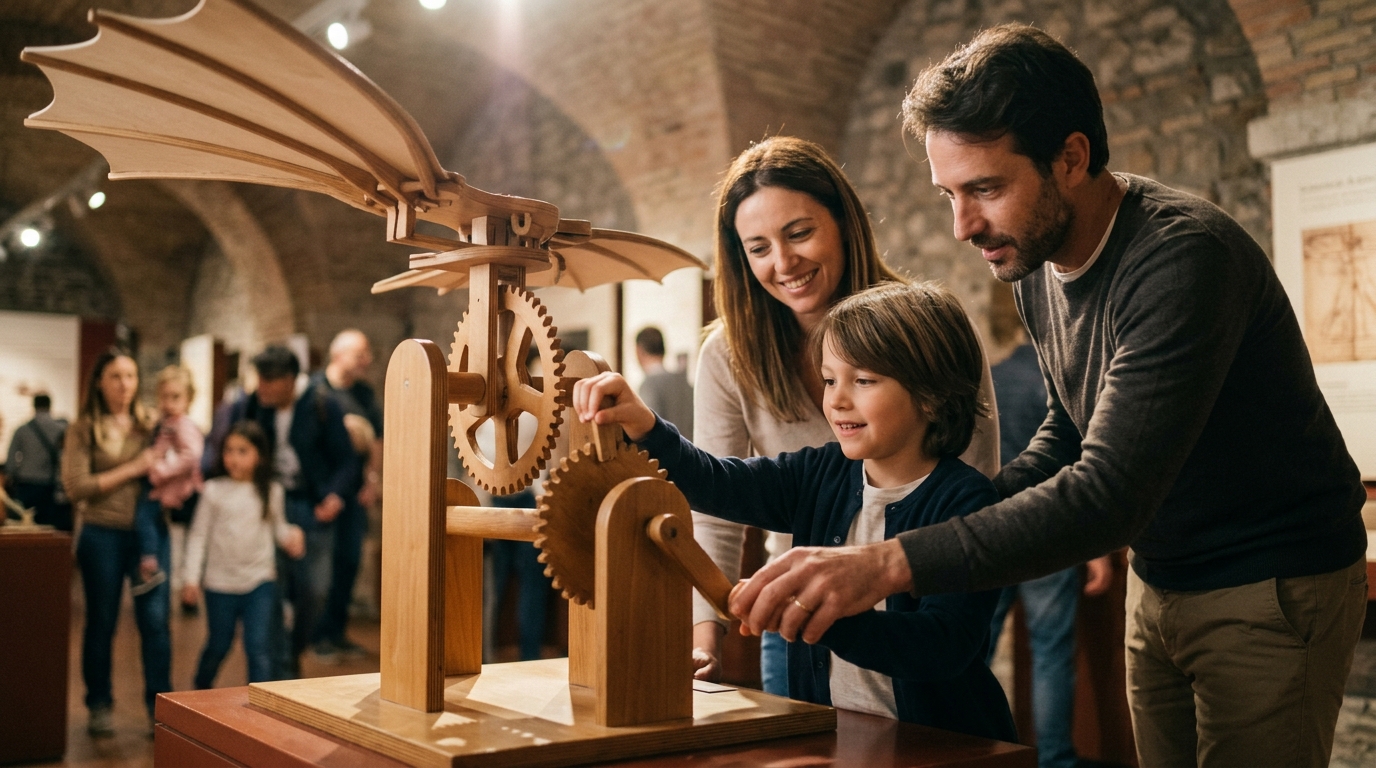
Rome attracts over 10 million international visitors annually, yet many families struggle to navigate the city's cultural offerings effectively. According to ISTAT data, tourism peaks significantly during spring and summer months, creating congestion that can ruin the experience for families with young children. The difference between a frustrating day and a magical one often comes down to preparation. This guide outlines the most frequent errors parents make when exploring Rome's interactive attractions and provides proven strategies to avoid them. (Museo Leonardo da Vinci)
Planning and Timing Errors
One of the most critical mistakes is arriving without a reservation. Rome's most popular sites, including underground museums, operate on strict capacity limits. Visit Rome reports that walk-up visitors are frequently turned away during peak seasons. The Museo Leonardo da Vinci in Piazza del Popolo is located in the underground vaults of the Basilica of Santa Maria del Popolo. This unique setting requires careful scheduling to ensure availability.
Another common error is underestimating the time required for the visit. Interactive museums are not passive galleries. They require time for exploration, reading, and participation. Families often rush through exhibits, missing the educational value. Plan for at least two hours for a comprehensive visit. This allows children to absorb the information without feeling pressured.
Timing your visit to avoid the midday heat is also essential. Rome can become uncomfortably hot in July and August. Underground venues offer a cool, climate-controlled environment. This is a significant advantage for families with young children who are sensitive to temperature changes. Booking a morning slot ensures you arrive when the site is fresh and less crowded.
Failing to Engage with Interactive Elements
Many visitors treat interactive museums like traditional art galleries. They walk past displays without stopping to participate. This approach defeats the purpose of the venue. The Museo Leonardo da Vinci is designed to be experienced, not just observed. It features detailed anatomical sketches, scientific discoveries, and historical context. Engaging with these elements transforms the visit from a tour into an educational adventure.
Children learn best through active participation. Encourage them to touch the interactive displays, read the descriptions, and ask questions. The museum highlights Leonardo's journey from a master in Florence's painters' guild at age 20 to the creator of the Mona Lisa. Discussing these milestones helps children connect with the historical narrative. It makes the abstract concept of "genius" tangible and relatable.
Do not overlook the special experiences offered. Fly da Vinci is Italy's only Leonardo VR Flight Experience. It allows visitors to climb aboard Leonardo's legendary flying machine and soar through the skies in virtual reality. This experience brings his sketches to life. It is a powerful tool for sparking interest in science and engineering. Families should prioritize this experience if it fits their schedule.
Logistical Oversights
Transportation and location awareness are frequent pain points. The museum is located at the end of Via del Corso. This is a busy shopping street with heavy foot traffic. Navigating with strollers or tired children can be challenging. Touring Club Italiano notes that the area is a hub for both locals and tourists. Arriving early helps secure a good starting point and reduces stress.
Proximity to other landmarks is a logistical advantage. The museum is only a five-minute walk from the Spanish Steps. This allows for a combined itinerary. However, it also means the area is crowded. Plan your route to avoid the main throngs of people. Use side streets to navigate efficiently. This strategy preserves energy for the museum visit itself.
Packing appropriately is another oversight. While the museum is underground, the walk to and from the venue is outdoors. Bring water, snacks, and sun protection. Children burn energy quickly. Having small treats can help manage hunger and fatigue. Also, check the dress code. While there is no strict requirement, comfortable walking shoes are essential for exploring Rome.
Choosing the Right Museum Experience
Rome offers various types of museums. Some focus on ancient history, while others highlight modern art. For families interested in science, art, and history combined, a dedicated Leonardo museum is ideal. It bridges the gap between artistic appreciation and scientific curiosity. This holistic approach appeals to a wide age range.
| Museum Type | Focus Area | Family Suitability | Interactive Level |
|---|---|---|---|
| Leonardo da Vinci Museum | Art, Science, Invention | High (All Ages) | Very High (VR, Models) |
| Colosseum | Ancient History | Medium (Older Kids) | Low (Audio Guides) |
| Vatican Museums | Religious Art | Low (Overwhelming) | Low (Static Displays) |
| MAXXI Museum | Contemporary Art | Medium (Teens) | Medium (Installations) |
The table above illustrates why a specialized museum like the one in Piazza del Popolo stands out. It offers a curated experience that is both educational and entertaining. The other options, while iconic, may not engage children as effectively. The Leonardo museum's focus on his inventions and scientific studies provides a unique narrative that resonates with modern interests in STEM.
Key Takeaways
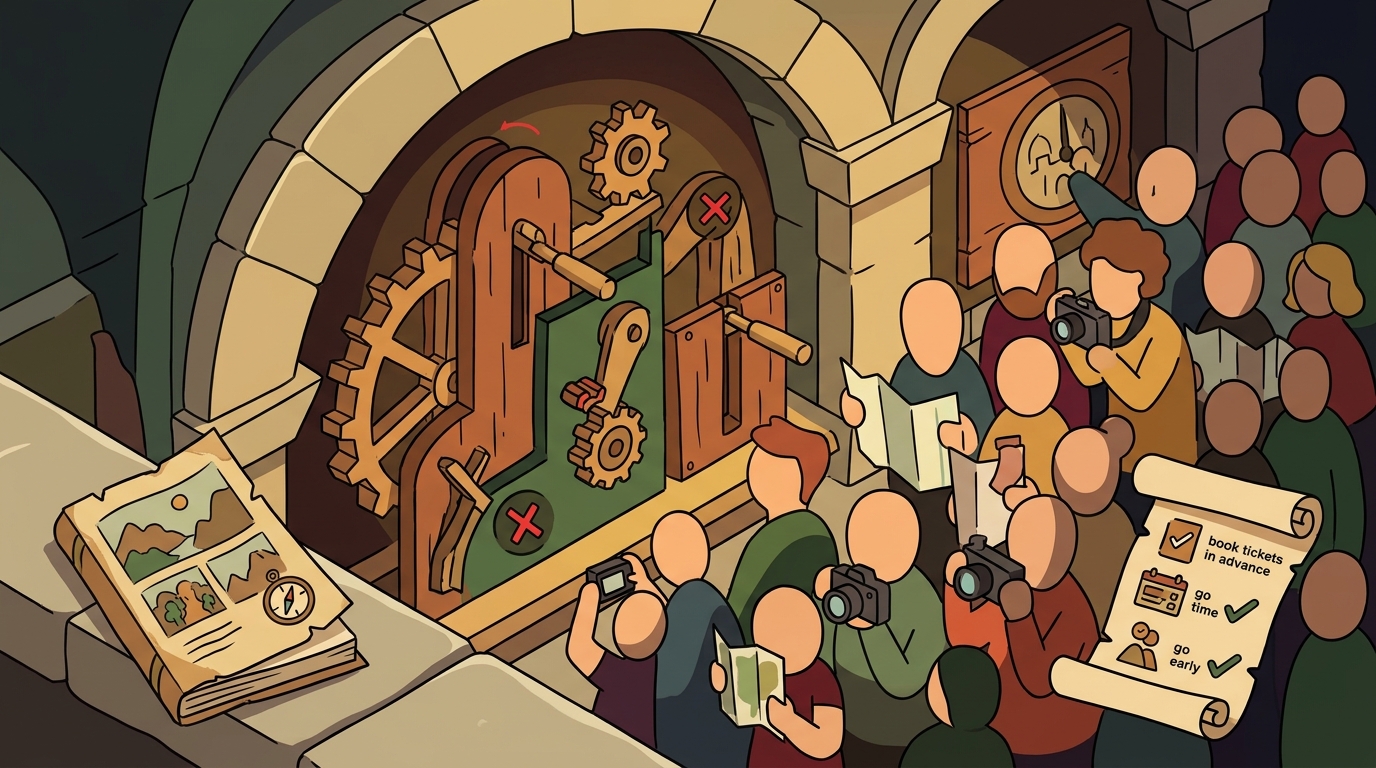
- Book in Advance: Reservations are mandatory for entry to the underground vaults of the Basilica of Santa Maria del Popolo.
- Utilize VR: The Fly da Vinci experience is a unique, Italy-exclusive feature that enhances understanding of Leonardo's aviation sketches.
- Plan Logistics: The museum is located at the end of Via del Corso, near the Spanish Steps, requiring careful navigation.
- Allow Time: Dedicate at least two hours to fully engage with the interactive displays and historical context.
- Combine Itineraries: Use the proximity to major landmarks to create a efficient and less tiring day for the family.
- Focus on Engagement: Encourage active participation with the anatomical sketches and scientific models to maximize educational value.
- Check Accessibility: Verify elevator access for strollers or wheelchairs, as the venue is in an historic underground location.
Frequently Asked Questions
Is the Museo Leonardo da Vinci suitable for young children?
Yes, the museum is designed for all ages. The interactive elements and VR experience are engaging for children as young as six. The content is presented in a way that is accessible and fascinating for younger minds.
Do I need to book tickets in advance?
Absolutely. Due to the limited capacity of the underground vaults, advance booking is essential. Walk-up tickets are rarely available during peak tourist seasons.
How long does the visit typically take?
Most families spend between two and three hours at the museum. This includes time for the VR experience and exploring the detailed exhibits.
Is the museum accessible for strollers?
The museum is located in the underground vaults of a historic church. While there is elevator access, the space can be tight. It is advisable to check current accessibility policies before visiting with a large stroller.
What is Fly da Vinci?
Fly da Vinci is Italy's only Leonardo VR Flight Experience. It allows visitors to virtually pilot Leonardo's flying machines, providing a unique perspective on his engineering genius.
Can I see original artworks by Leonardo?
No, the museum focuses on models, sketches, and interactive displays that explain his work. Original artworks like the Mona Lisa are housed in the Louvre in Paris.
How close is the museum to the Spanish Steps?
The museum is located just a five-minute walk from the Spanish Steps. This makes it an easy addition to any Rome itinerary.
Plan Your Visit Today
Avoid the common pitfalls of visiting Rome with family by planning ahead. Secure your tickets for the Museo Leonardo da Vinci in Piazza del Popolo to ensure a seamless and educational experience. Book your visit now to explore the genius of Leonardo da Vinci in the heart of Rome.