
Historical Significance and Collection Scope
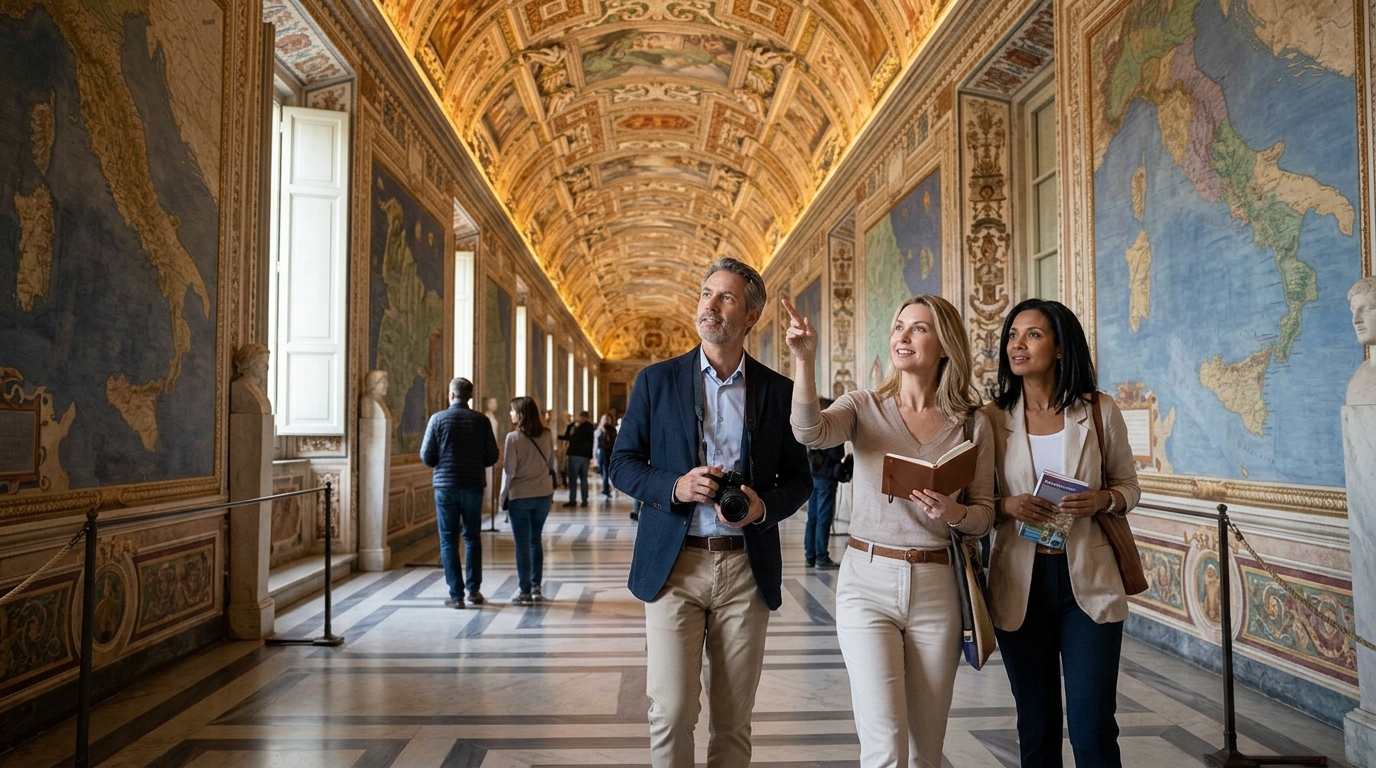
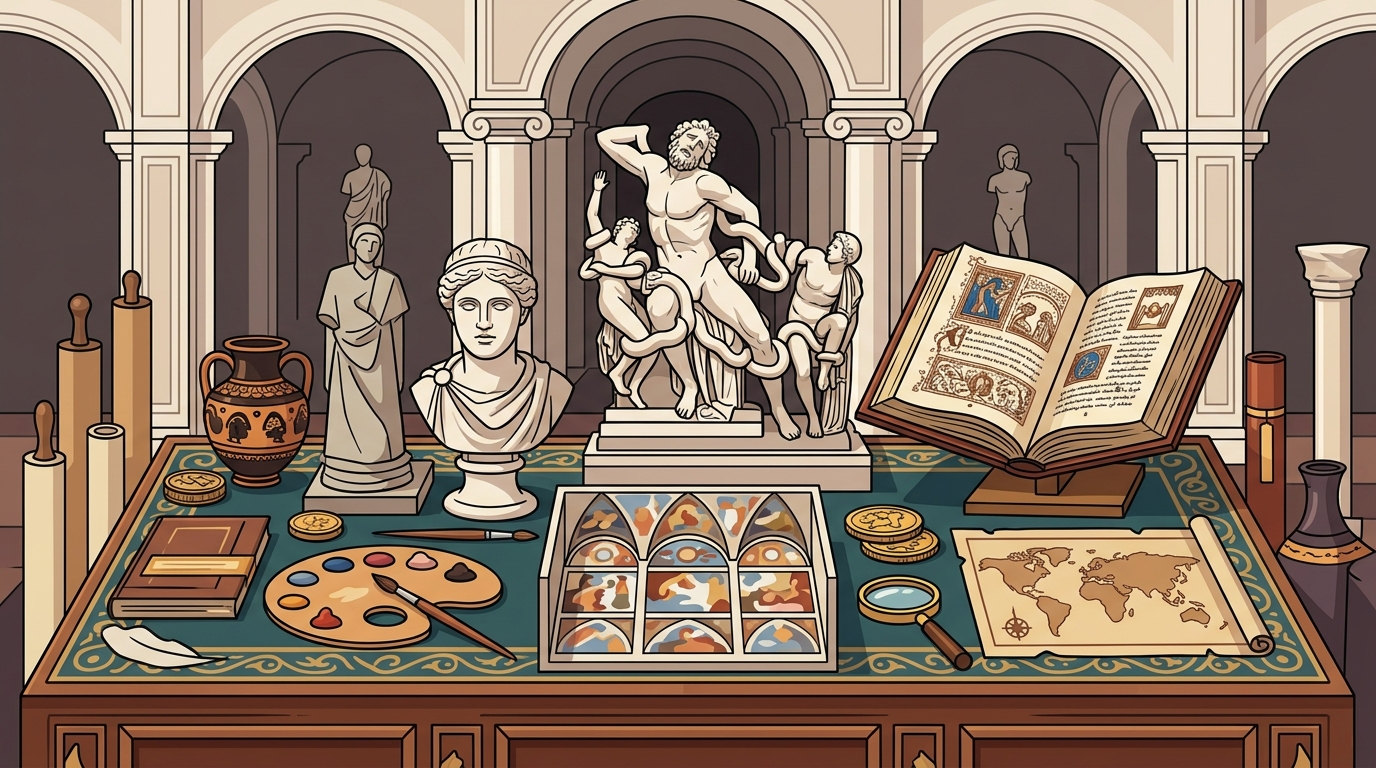
The Vatican Museums are not merely a gallery; they are a living archive of Western civilization. The collection began in the 16th century under Pope Julius II. Today, it spans over 70,000 works of art. This scope makes it one of the most comprehensive museums in the world. The historical depth allows visitors to trace artistic evolution across centuries.
The Role of Papal Patronage
Papal patronage drove the initial growth of the collection. Popes commissioned masterpieces to assert spiritual and political power. This history adds a layer of narrative to every room. Visitors see how art served as a tool for influence. The collection reflects the ambitions of the Catholic Church over five centuries.
Architectural Marvels and Spatial Design
The physical space of the Vatican Museums is as impressive as the art. The museums occupy the Vatican Palace, a complex of interconnected buildings. The architecture guides visitors through a chronological journey. This spatial design creates a narrative flow that enhances the viewing experience. The layout ensures a logical progression from ancient to modern works.
The Sistine Chapel Integration
The Sistine Chapel serves as the climax of the museum tour. Its integration into the museum path is deliberate. The architectural grandeur of the chapel complements the artistic brilliance of the ceiling. This integration ensures that visitors experience the peak of Renaissance art in a sacred context. The spatial relationship between the museum and the chapel is a key design feature.
Artistic Masterpieces and Iconic Works
Michelangelo's Ceiling and Last Judgment
Michelangelo's ceiling is a testament to human potential. The work took four years to complete. The scale and detail are unmatched in art history. The Last Judgment on the altar wall adds another dimension. These two works alone justify the visit. They represent the highest expression of Renaissance humanism and theology.
Visitor Experience and Educational Value
Managing Crowds and Timing
Crowd management is a significant aspect of the visitor experience. The museums are among the most visited in the world. Timing the visit is crucial for a comfortable experience. Early morning or late afternoon slots are recommended. This strategy allows for a more relaxed viewing. The educational value is enhanced when visitors are not rushed.
Global Cultural Impact and Legacy
The Vatican Museums have a profound global cultural impact. They attract millions of visitors annually. This global reach ensures the preservation and promotion of the collection. The museums serve as a bridge between cultures. They foster a shared appreciation for human creativity. The legacy of the Vatican Museums is a testament to the enduring power of art.
Preservation and Restoration Efforts
Preservation is a continuous effort for the museums. Advanced techniques are used to maintain the artworks. Restoration projects are ongoing and publicly documented. These efforts ensure that the collection remains accessible for future generations. The commitment to preservation is a key part of the museum's mission. It reflects a global responsibility to protect cultural heritage.
Key Takeaways
- The Vatican Museums house over 70,000 works of art.
- The collection spans from ancient antiquities to modern art.
- The Sistine Chapel is the architectural and artistic climax.
- Papal patronage shaped the initial growth of the collection.
- Guided tours and audio guides enhance the educational value.
- Crowd management is essential for a comfortable visit.
- The museums have a significant global cultural impact.
Frequently Asked Questions
How long does it take to visit the Vatican Museums?
A comprehensive visit typically takes 3 to 4 hours. This allows time for the major highlights. A rushed visit can take 2 hours. The duration depends on the visitor's pace and interests.
Are the Vatican Museums open every day?
The museums are open Tuesday through Saturday. They are closed on Sundays and Mondays. Specific holidays may affect opening hours. Visitors should check the official schedule before planning.
Is the Sistine Chapel included in the museum ticket?
Yes, the Sistine Chapel is included in the standard museum ticket. It is the final stop on the tour. No separate ticket is required for the chapel.
What is the best time to visit the Vatican Museums?
The best time is early in the morning or late in the afternoon. These times have fewer crowds. Midday visits are often the most crowded. Planning around peak hours improves the experience.
Are there guided tours available?
Can I take photos in the Vatican Museums?
Photography is allowed in most areas. Flash photography is prohibited. Tripods and selfie sticks are not allowed. The Sistine Chapel has strict no-photography rules. Visitors should follow the posted guidelines.
How much does it cost to enter the Vatican Museums?
Entry fees vary by ticket type. Standard adult tickets are available online. Discounts may apply for students and seniors. Prices are subject to change, so checking the official site is recommended. Learn more: Museo Leonardo da Vinci.