
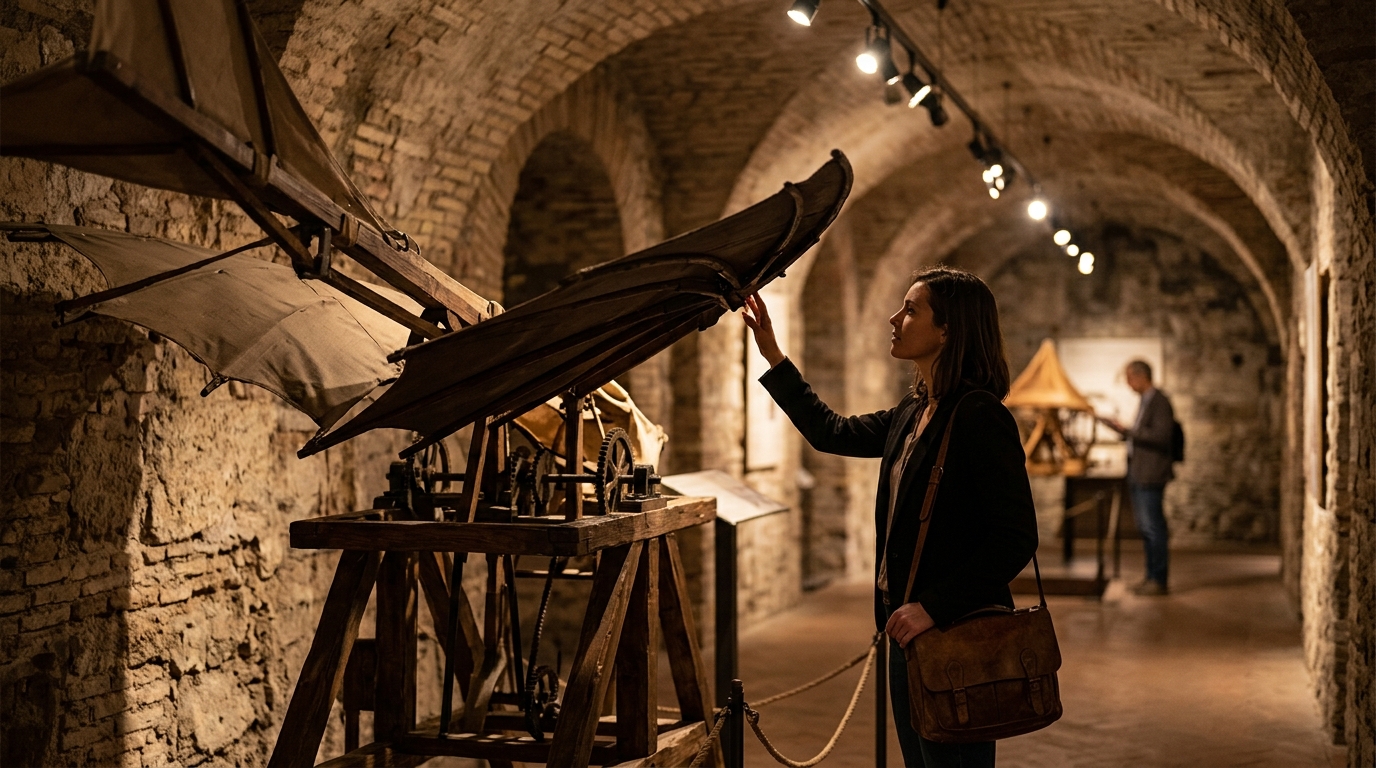
Rome is often defined by its colossal ruins, yet the city holds a secret layer of cultural depth that most tourists never discover. While millions flock to the Colosseum and the Vatican, a different kind of magic unfolds in the city's quieter corners. Recent tourism data indicates that over 10 million visitors explore Rome annually, yet a significant portion of these travelers miss the intimate, intellectually stimulating experiences that define the city's true soul. This guide reveals the best hidden gems and unique museums in Rome, starting with an extraordinary underground sanctuary dedicated to the ultimate polymath. (Museo Leonardo da Vinci)
The Underground Genius: Museo Leonardo da Vinci
Most visitors associate Leonardo da Vinci with the Louvre or the Uffizi, but Rome holds a dedicated tribute to his mind buried beneath one of the city's most historic churches. The Museo Leonardo da Vinci in Piazza del Popolo is not just a museum; it is an immersive journey into the mind of history's greatest inventor. Located in the underground vaults of the Basilica Santa Maria del Popolo, this space offers a rare glimpse into the scientific and artistic processes that defined the Renaissance.
Leonardo da Vinci is widely celebrated as a leading Renaissance painter and sculptor, but although he was also known as an engineer and a scientist, his work in these fields remained hidden for many centuries. The museum brings these hidden aspects to light through interactive displays and detailed models of his inventions. From flying machines to anatomical studies, the exhibits challenge the visitor to see Leonardo not just as an artist, but as a visionary thinker whose ideas were centuries ahead of his time.
What makes this location truly unique is its setting. The museum is situated in the heart of Rome, just a short walk from the Spanish Steps. This proximity to major landmarks makes it an ideal stop for those seeking a break from the crowded tourist trails. The experience is designed to be accessible to all ages, making it a perfect educational stop for families. By exploring the gallery of Leonardo's work, visitors can appreciate the sheer volume of his contributions to science and art.
The museum's interactive nature allows guests to engage with Leonardo's passions directly. You will discover his incredible story, groundbreaking inventions, detailed anatomical sketches, startling scientific discoveries and much more that will leave you amazed that one person could create so much in one lifetime. This is not a static display of artifacts but a dynamic exploration of curiosity and innovation.
The Caravaggio Connection: Santa Maria del Popolo
While the museum below is dedicated to Leonardo, the church above is home to some of the most powerful paintings in art history. The Basilica Santa Maria del Popolo is a major papal basilica second only in importance to St Peter's and one of the seven pilgrim churches in Rome. It serves as a bridge between the spiritual and the artistic, housing works that changed the course of Western art.
Inside the Chigi Chapel, you will find the magnificent works of Raphael, but it is the Cerasi Chapel that often steals the show. Here, Michelangelo's "Crucifixion of Saint Peter" hangs alongside Caravaggio's "Conversion of Saint Paul." These paintings are not just beautiful; they are revolutionary in their use of light and shadow. The presence of these masterpieces in a relatively quiet church offers a stark contrast to the bustling Piazza del Popolo above.
Combining your visit to the Museo Leonardo da Vinci with the church above creates a complete cultural experience. You can explore the about section of the museum online to understand the historical context before you arrive. The legend that the emperor Nero is buried deep below the church adds a layer of mystery to the visit, inviting you to look beyond the surface of Rome's history.
Ancient Roots: The Crypt of the Capuchins
For those interested in the more macabre side of history, the Crypt of the Capuchins offers a unique perspective on Roman mortality. This underground ossuary contains the remains of over 3,700 Capuchin friars, arranged in intricate patterns. It is a stark reminder of the transient nature of life, a theme that resonates deeply in a city built on layers of history.
The arrangement of the bones is not random but follows specific geometric patterns, creating a visual impact that is both haunting and beautiful. This site is often overlooked by tourists who focus solely on the grand palaces and churches. However, for those willing to venture underground, it offers a profound and unforgettable experience. The info page of the Leonardo museum provides additional tips on navigating Rome's underground sites.
Visiting the Crypt of the Capuchins requires a sense of respect and curiosity. It is a place of reflection, where the past is literally laid bare. The contrast between the vibrant life of the city above and the silent stillness below creates a powerful emotional response. This is one of the most unique museums in Rome for those who appreciate the intersection of art, history, and mortality.
Modern Echoes: MAXXI and the Contemporary Scene
Rome is not just a city of the past; it is also a hub for contemporary art. The MAXXI museum, designed by Zaha Hadid, stands as a testament to Rome's modern identity. Its flowing, futuristic architecture contrasts sharply with the ancient ruins that surround it. The museum houses a significant collection of contemporary art and architecture, showcasing works by some of the most influential artists of our time.
The MAXXI is located in the Flaminio district, a short tram ride from the city center. Its unique design makes it a landmark in its own right, drawing visitors who are interested in the intersection of art and architecture. The museum's exhibitions are constantly changing, ensuring that there is always something new to discover. For those interested in the gallery of Leonardo's work, the MAXXI offers a modern counterpoint to the Renaissance genius.
Exploring Rome's contemporary art scene provides a balanced view of the city's cultural landscape. It shows that Rome is not just a museum of antiquity but a living, breathing city that continues to produce world-class art. The MAXXI is a must-visit for anyone interested in the future of art and design.
Comparing Rome's Unique Museums
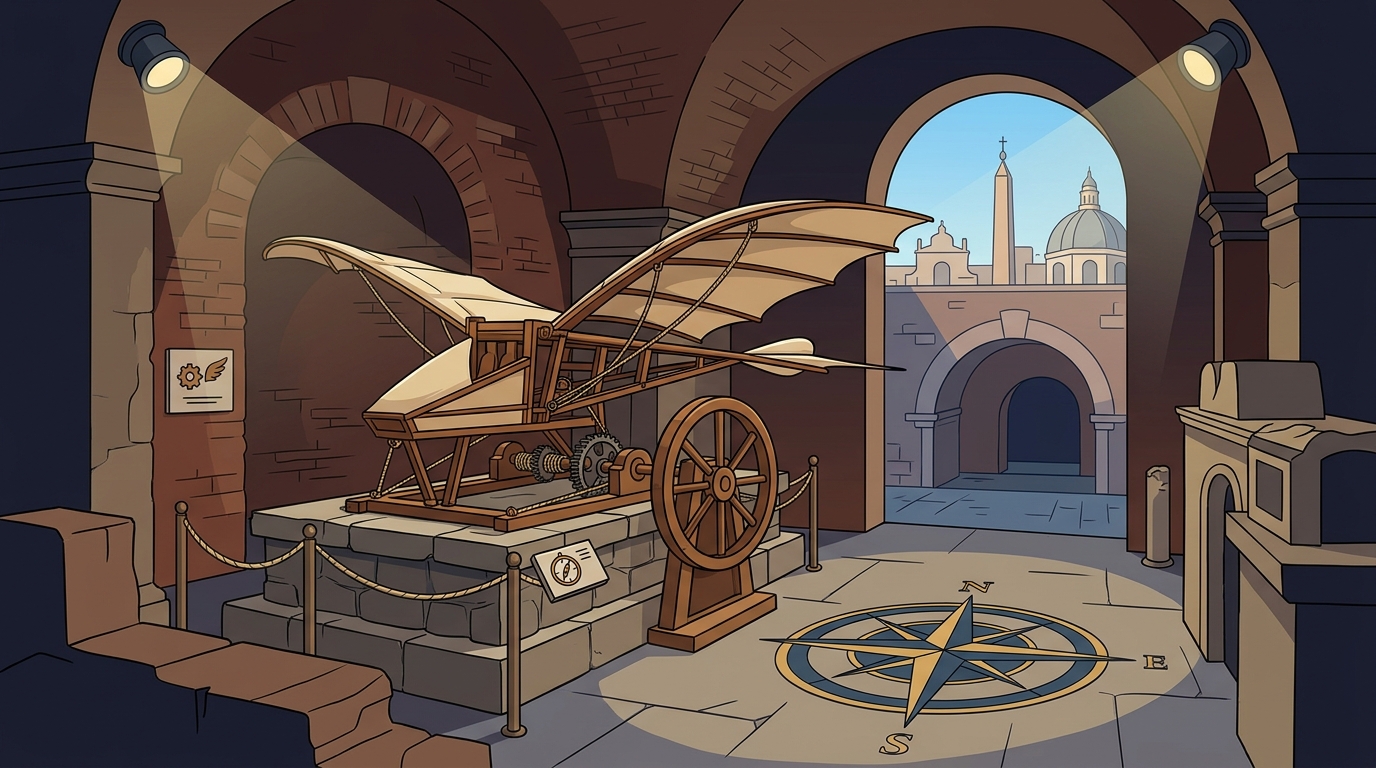
Choosing the right museum experience in Rome can be challenging given the sheer volume of options. The following table summarizes the key features of the unique museums discussed in this guide.
| Museum Name | Primary Focus | Location | Best For |
|---|---|---|---|
| Museo Leonardo da Vinci | Renaissance Inventions & Science | Piazza del Popolo (Underground) | Families & Science Enthusiasts |
| Santa Maria del Popolo | Caravaggio & Raphael Paintings | Piazza del Popolo | Art History Buffs |
| Crypt of the Capuchins | Ossuary & Mortality | Via del Vantaggio | History & Macabre Interest |
| MAXXI | Contemporary Art & Architecture | Flaminio District | Modern Art Lovers |
Key Takeaways
- The Museo Leonardo da Vinci is located in the underground vaults of Basilica Santa Maria del Popolo, offering a unique underground experience.
- Leonardo was anointed the master artist of Florence at the tender age of 18, responsible for iconic artworks like the Mona Lisa.
- Santa Maria del Popolo is a major papal basilica second only in importance to St Peter's and one of the seven pilgrim churches in Rome.
- The museum is the most popular dedicated Leonardo museum in Rome, making it a must-see stop on the Rome itinerary.
- Combining the museum visit with the church above allows you to discover original Caravaggio paintings from the 1600s.
- Rome's cultural depth extends beyond antiquity, with modern institutions like MAXXI showcasing contemporary art.
- Booking tickets in advance for the Book Now section is recommended to avoid long queues.
Frequently Asked Questions
Where is the Museo Leonardo da Vinci located?
The museum is located at the end of Via del Corso and only a 5 minute walk from the Spanish Steps, in the underground vaults of Basilica Santa Maria del Popolo.
Is the Museo Leonardo da Vinci suitable for children?
Yes, the museum is great for all the family to enjoy, with interactive exhibits that engage younger visitors.
Can I see original Leonardo da Vinci paintings at this museum?
While you won't see the original artworks at this museum, you will discover his incredible story, groundbreaking inventions, and detailed anatomical sketches.
How long does a visit to the museum take?
A typical visit lasts about 1 to 2 hours, allowing enough time to explore the underground vaults and the interactive displays.
What other attractions are near the museum?
The museum is near the Spanish Steps, the Pantheon, and the Basilica Santa Maria del Popolo, which houses Caravaggio's paintings.
Do I need to book tickets in advance?
It is highly recommended to Book Now online to secure your spot and avoid waiting in line.
Is the museum accessible for people with disabilities?
The museum strives to be accessible, but due to its underground location, visitors should check the info page for specific accessibility details.
What is the significance of the Basilica Santa Maria del Popolo?
Santa Maria is the burial site of 6 popes and is one of the seven pilgrim churches in Rome, making it a site of great religious and historical importance.
Plan Your Visit
Ready to explore the hidden depths of Rome? Do not miss the opportunity to be inspired by the genius of Leonardo da Vinci. Visit the Book Now page to secure your tickets and start your journey into the underground vaults of history. Contact us at info@museodavinci.it or call +39 06 3200144 for more information.