
Interactive Experience in Rome
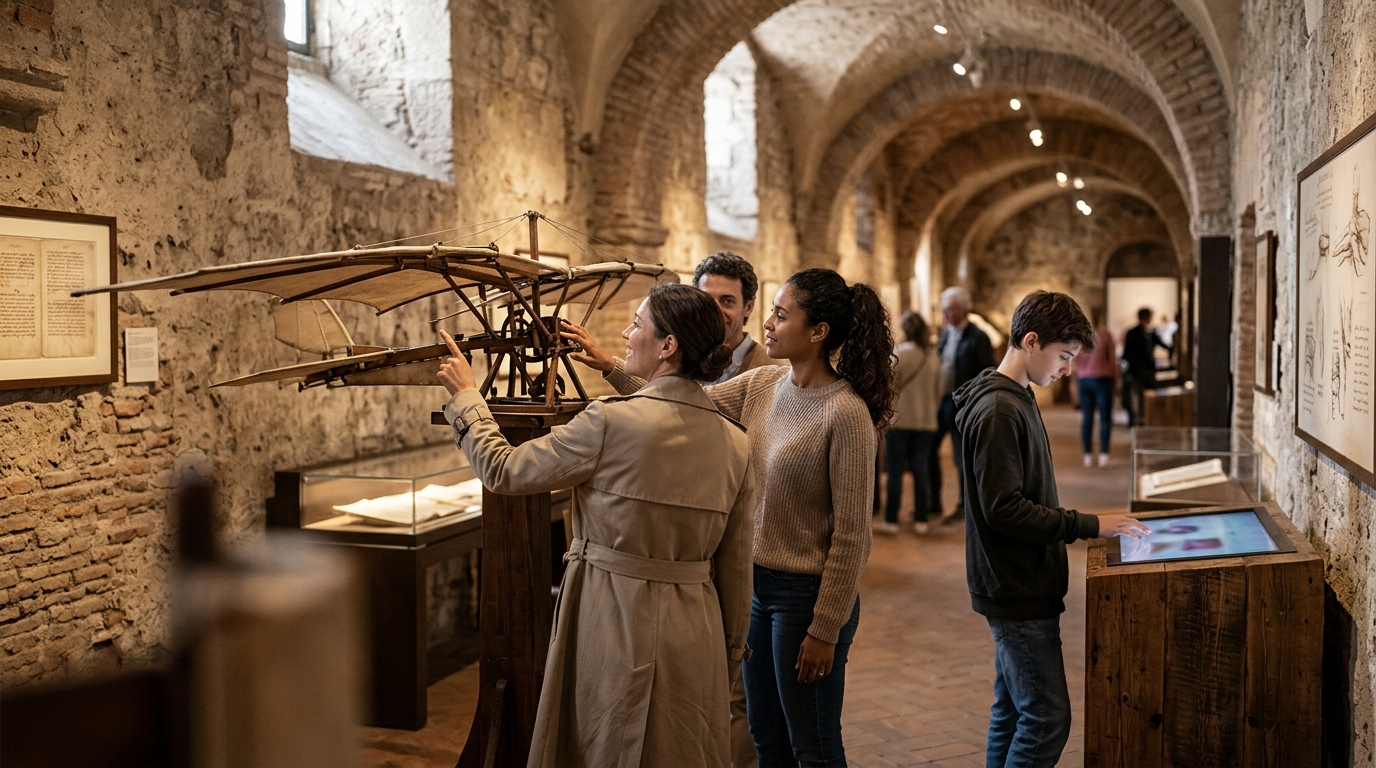
The Museo Leonardo da Vinci is located in the underground vaults of the Basilica of Santa Maria del Popolo. This setting creates a unique atmosphere that blends historical reverence with modern interactivity. The museum focuses heavily on the practical application of Leonardo's engineering concepts. Visitors can engage with touch-screen interfaces and physical models that demonstrate how his designs would have functioned. This approach is ideal for families, students, and visitors who prefer active participation over passive observation.
Strengths of the Roman Approach
The primary strength of the Rome museum is its accessibility. The exhibits are designed to be understood by a broad audience, including children. The location near the Spanish Steps and Piazza del Popolo makes it easy to integrate into a day of sightseeing. The interactive elements bridge the gap between historical sketches and functional technology. This makes the complex engineering concepts of the Renaissance feel tangible and immediate.
Limits and Considerations
It is important to note that the museum does not display Leonardo's original artworks. The focus is strictly on his scientific studies and inventions. If your primary goal is to see the Mona Lisa or The Last Supper, this museum is not the right destination. The experience is educational and demonstrative rather than artistic. Visitors should manage their expectations accordingly, focusing on the engineering marvels rather than the fine art.
Historical Context in Florence
Strengths of the Florentine Approach
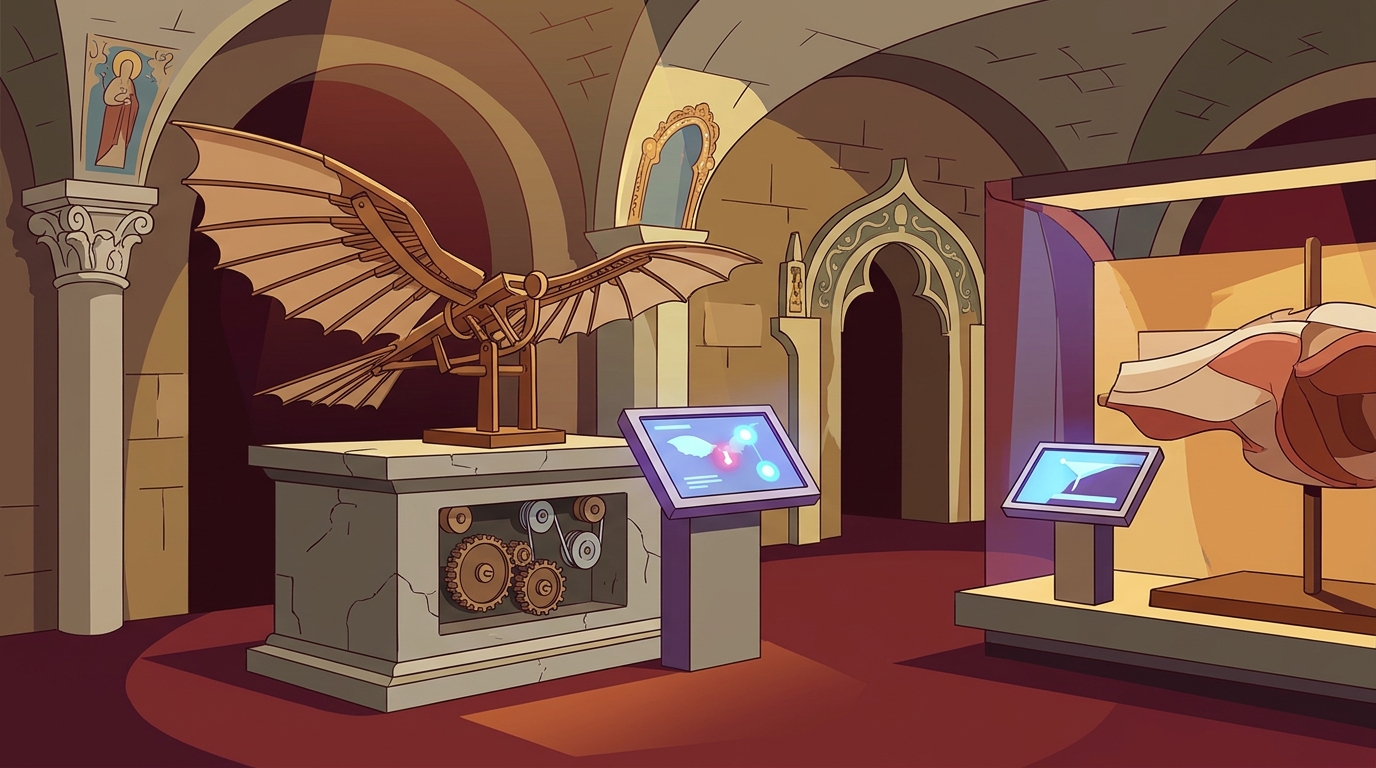
The strength of visiting Florence is the proximity to the original sources. You can see the actual notebooks and sketches that Leonardo produced. This provides an authentic connection to the artist's thought process. The museums in Florence are often integrated into larger cultural institutions, allowing for a comprehensive view of the Renaissance. This is ideal for art historians, serious students, and visitors who value authenticity and historical depth.
Limits and Considerations
The interactive component in Florence is often limited compared to Rome. Many exhibits are behind glass, requiring visitors to observe from a distance. The focus is on preservation and historical accuracy rather than hands-on engagement. This can be less engaging for younger visitors or those who learn by doing. The experience is more about appreciation of the original work than understanding the mechanics of the inventions.
Comparison Table
| Criteria | Rome (Museo Leonardo da Vinci) | Florence (Uffizi/Palazzo Vecchio) |
|---|---|---|
| Primary Focus | Interactive inventions and engineering | Original artworks and historical context |
| Interactivity Level | High (hands-on models and touch screens) | Low (observation of originals) |
| Original Artworks | No | Yes |
| Best For | Families, students, hands-on learners | Art historians, scholars, passive observers |
| Location Convenience | Central Rome, near Spanish Steps | Central Florence, near Duomo |
| Atmosphere | Modern, educational, dynamic | Historical, contemplative, scholarly |
Choose Rome If...
Choose the Museo Leonardo da Vinci in Rome if you prefer an active learning experience. This is the right choice if you are traveling with children or if you want to understand how Leonardo's machines worked. The interactive exhibits make complex engineering concepts accessible and fun. It is also a convenient stop if you are already in Rome for other sights. The museum provides a clear, engaging narrative of Leonardo's scientific legacy.
Choose Florence If...
Frequently Asked Questions
Can I see the original Mona Lisa in Rome?
No, the original Mona Lisa is housed in the Louvre in Paris. The Museo Leonardo da Vinci in Rome focuses on interactive models of his inventions and scientific studies, not his original paintings. You will not see any of his original artworks at this museum.
Is the museum in Rome suitable for young children?
Yes, the interactive nature of the exhibits makes it highly suitable for young children. The hands-on models and touch screens are designed to be engaging for all ages. The museum provides a dynamic environment that can hold the attention of younger visitors better than traditional static displays.
How long does the visit take?
A typical visit to the Museo Leonardo da Vinci takes about 1 to 1.5 hours. This allows enough time to explore the interactive exhibits and understand the key concepts. The duration can vary depending on your interest level and how much time you spend with each model.
Do I need to book tickets in advance?
It is recommended to book tickets in advance, especially during peak tourist seasons. You can check availability and purchase tickets through the official website. Booking ahead ensures you can enter at your preferred time and avoid long queues. This is particularly important if you have a tight itinerary.
Is the museum accessible for people with disabilities?
Conclusion
Both Rome and Florence offer valuable insights into the life and work of Leonardo da Vinci. The choice depends on your personal interests and learning style. If you want to engage with his inventions through interactive exhibits, the Museo Leonardo da Vinci in Rome is the superior choice. If you prefer to view his original artworks in a historical context, Florence is the destination. Consider your goals and travel plans when deciding which city to visit for your Leonardo experience.