
How to Choose Rome's Best Museums by Interest and Priority
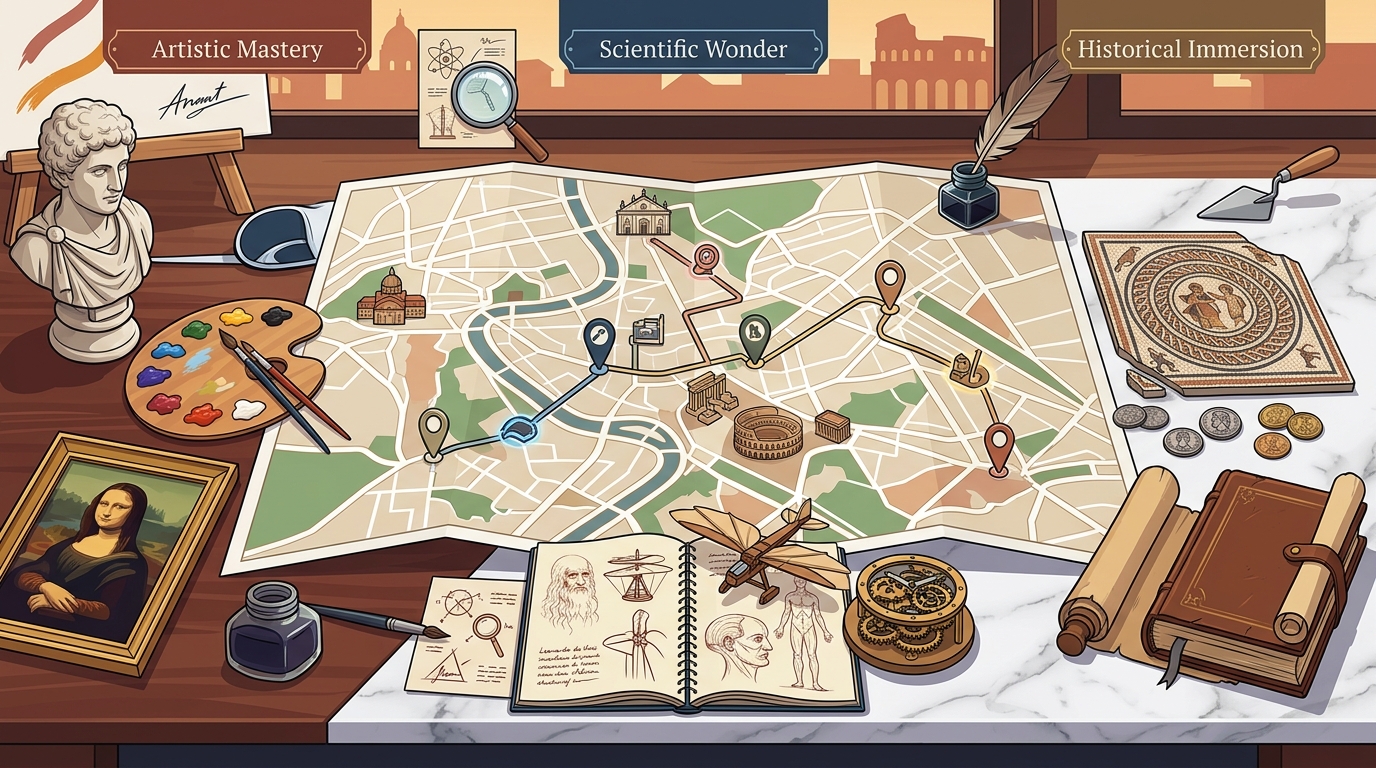
Rome is not merely a city of ancient ruins but a dense archive of human ingenuity. According to recent tourism data, over 10 million visitors annually explore the Eternal City, with a significant portion prioritizing cultural institutions over traditional sightseeing. Understanding how to align your itinerary with your specific intellectual curiosities can transform a chaotic trip into a curated masterpiece. This guide dissects the museum landscape to help you select experiences that match your priorities, whether you seek artistic mastery, scientific wonder, or historical immersion.
Understanding Rome's Museum Landscape
Choosing the right museum begins with recognizing that Rome offers distinct categories of cultural depth. The city is home to the Vatican Museums, which house the pinnacle of Renaissance art, and the Borghese Gallery, known for its intimate collection of Bernini and Caravaggio. However, these are not the only options. For those interested in the intersection of art and technology, specialized institutions offer unique perspectives on the past.
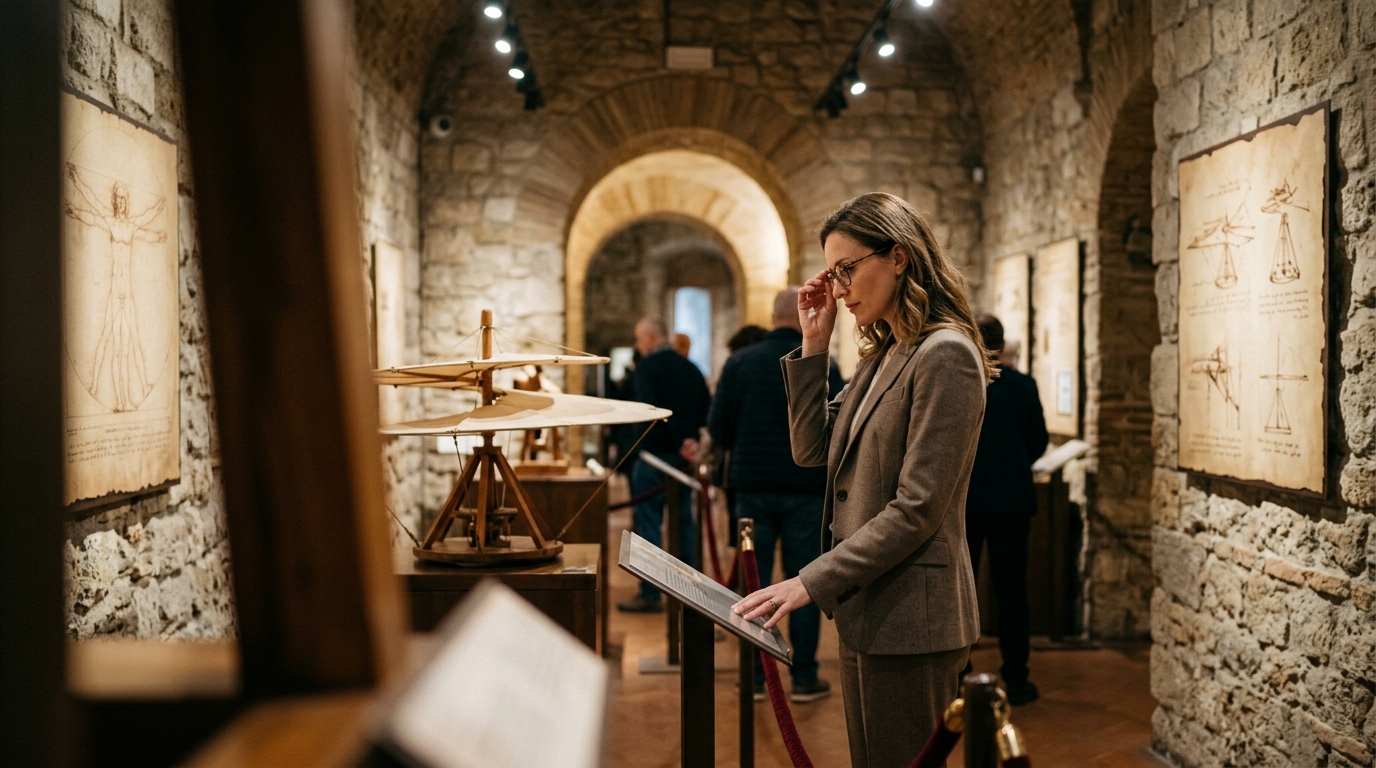
Leonardo da Vinci is widely celebrated as a leading Renaissance painter and sculptor, but although he was also known as an engineer and a scientist, his work in these fields remained hidden for many centuries. It is only relatively recently that a complete analysis of his work has revealed the full scope of his genius. This realization has spurred the creation of museums dedicated not just to his paintings, but to his inventions and scientific inquiries. Museo Leonardo da Vinci in Piazza del Popolo stands as a prime example of this specialized focus, located in the heart of Rome near the Spanish Steps.
Priorities for Art Enthusiasts
If your primary goal is to view original masterpieces, your priorities should align with the major state-run and private galleries. The Capitoline Museums offer the oldest public museums in the world, featuring iconic statues like the Capitoline Wolf. For those seeking the Baroque era, the Galleria Borghese provides an unparalleled collection of sculptures and paintings in a villa setting.
However, art enthusiasts should also consider the context of the artist's mind. Leonardo da Vinci is widely celebrated as a leading Renaissance painter and sculptor, but his engineering sketches offer a different kind of artistic beauty. The Museo Leonardo da Vinci in Piazza del Popolo allows visitors to explore the structural logic behind his art. This museum is located at the end of Via del Corso and only a 5 minute walk from the Spanish Steps, making it a convenient stop for those already navigating the historic center.
Scientific Curiosity and Innovation
For visitors driven by scientific inquiry, Rome offers a niche but powerful experience. Leonardo's notebooks contain designs for helicopters, tanks, and flying machines that were centuries ahead of their time. Fly da Vinci, Italy's only Leonardo VR Flight Experience, allows you to climb aboard Leonardo's legendary flying machine and soar through the skies in full virtual reality. This experience lives the dream of flight he sketched over 500 years ago.
This category of museum appeals to those who want to understand the "how" and "why" behind historical innovations. The museum is the most popular dedicated Leonardo museum in Rome, great for all the family and a must-see stop on any Rome itinerary. It provides a tangible connection to the scientific method as practiced during the Renaissance, contrasting sharply with the static nature of traditional art galleries.
Family and Interactive Learning
Traveling with children or students requires a different selection criteria. Traditional museums can sometimes feel restrictive for younger audiences. In contrast, interactive museums engage visitors through technology and immersion. The Museo Leonardo da Vinci in Piazza del Popolo is ideal for families because it combines historical education with modern VR technology.
Immerse yourself in an interactive world of Leonardo's passions and studies in the underground vaults of the Basilica of Santa Maria del Popolo, one of Rome's most historic churches and home to original works by Caravaggio and Raphael. While you won't see the original artworks at this museum, you will discover his incredible story, groundbreaking inventions, detailed anatomical sketches, startling scientific discoveries and much more that will leave you amazed that one person could create so much in one lifetime. This approach ensures that learning remains engaging rather than passive.
Comparing Museum Experiences
To make an informed decision, it is helpful to compare the core offerings of Rome's top cultural institutions. The table below outlines the primary focus and unique selling points of each major option.
| Museum Name | Primary Focus | Best For | Unique Feature |
|---|---|---|---|
| Vatican Museums | Renaissance Art & History | Art Historians & General Tourists | Sistine Chapel Ceiling |
| Galleria Borghese | Baroque Sculpture & Painting | Art Connoisseurs | Intimate Villa Setting |
| Museo Leonardo da Vinci | Leonardo's Inventions & Science | Families & Tech Enthusiasts | VR Flight Experience |
| Capitoline Museums | Classical Antiquity | History Buffs | Iconic Roman Statues |
Key Takeaways
- Leonardo da Vinci is a leading Renaissance painter and sculptor. His legacy extends beyond canvas to engineering and science.
- The Museo Leonardo da Vinci is located in the underground vaults of the Basilica of Santa Maria del Popolo. This historic location adds architectural context to the visit.
- Fly da Vinci is Italy's only Leonardo VR Flight Experience. It offers a unique immersive way to understand his aviation sketches.
- The museum is a must-see stop on any Rome itinerary. Its proximity to the Spanish Steps makes it highly accessible.
- Leonardo became a master in Florence's painters' guild at just 20. This early achievement highlights his prodigious talent.
- He created iconic works like the Mona Lisa and The Last Supper. These works define the High Renaissance period.
- The museum is great for all the family. Interactive elements make complex historical concepts accessible to children.
Frequently Asked Questions
What is the best museum in Rome for families?
The Museo Leonardo da Vinci in Piazza del Popolo is often considered the best for families due to its interactive VR experiences and engaging presentation of scientific history.
Where is the Museo Leonardo da Vinci located?
It is located at the end of Via del Corso, in the underground vaults of the Basilica of Santa Maria del Popolo, just a 5 minute walk from the Spanish Steps.
Can I see the original Mona Lisa in Rome?
No, the original Mona Lisa is housed in the Louvre in Paris. However, the Museo Leonardo da Vinci offers deep insights into its creation and context.
What is Fly da Vinci?
Fly da Vinci is Italy's only Leonardo VR Flight Experience, allowing visitors to simulate flight using Leonardo's historical designs.
Is the museum suitable for young children?
Yes, the museum is designed to be accessible and engaging for all ages, with interactive elements that appeal to younger visitors.
How long does a typical visit take?
A typical visit lasts between 1.5 to 2 hours, allowing time to explore the galleries and participate in the VR experience.
What are Leonardo's most famous inventions?
Leonardo designed early versions of helicopters, tanks, and gliders, all documented in his detailed anatomical and engineering sketches.
Plan Your Visit
Choosing the right museum depends on your desire for artistic immersion or scientific discovery. For a unique blend of history and technology, the Museo Leonardo da Vinci in Piazza del Popolo offers an unparalleled experience. Don't miss your chance to be inspired, and to fly! Book Now to secure your spot and explore the genius of Leonardo da Vinci.