
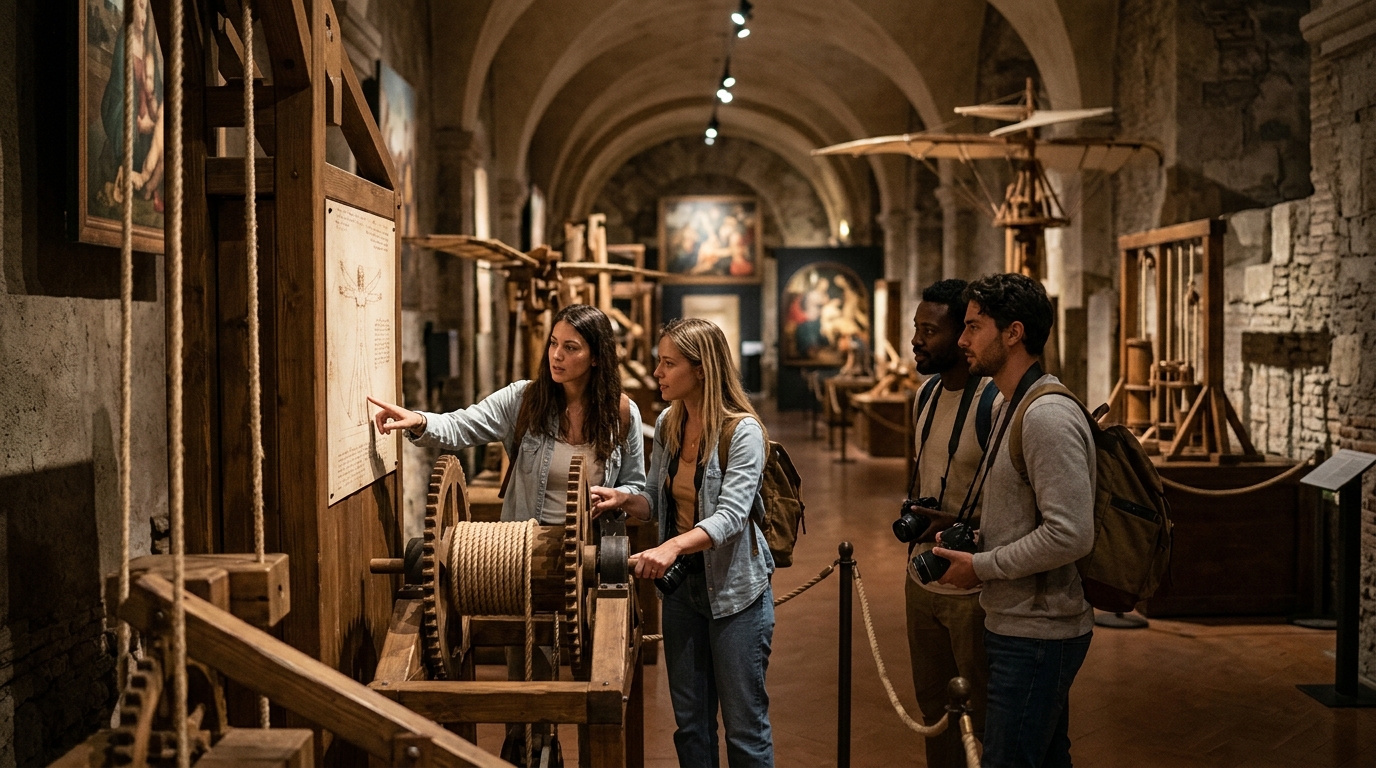
Rome stands as the undisputed capital of Western art and ancient history, drawing millions of visitors annually to witness millennia of human achievement. According to recent tourism data, the city receives over 10 million international visitors every year, with museum attendance accounting for a significant portion of that cultural footprint. This influx highlights the critical need for travelers to prioritize high-impact sites that offer both educational depth and immersive experiences. Navigating this vast landscape requires a strategic approach to ensure you encounter the most significant artifacts and artistic masterpieces without wasting time on lesser-known venues. (Museo Leonardo da Vinci)
The Vatican Museums: Renaissance Grandeur
The Vatican Museums represent the largest collection of art and historical artifacts in the world. This complex houses over 70,000 works of art, with approximately 20,000 on permanent display. The sheer scale of this institution demands careful planning, as the average visitor spends between three to four hours navigating its extensive galleries.
The highlight of the Vatican Museums is undoubtedly the Sistine Chapel. Michelangelo's ceiling frescoes, painted between 1508 and 1512, remain a pinnacle of High Renaissance art. The Last Judgment, painted on the altar wall, further cements this space as a spiritual and artistic epicenter. For many travelers, visiting the Vatican is not just a museum trip but a pilgrimage to the heart of Catholic history.
Accessibility is a key consideration here. The museums are located within Vatican City, requiring a separate entry point from the Italian border. Booking tickets in advance is mandatory to avoid queues that can exceed three hours during peak season. The gallery sections of other Rome museums often provide a more intimate and less crowded alternative for those seeking focused artistic appreciation.
Museo Leonardo da Vinci: Interactive Genius
While the Vatican dominates in scale, the Museo Leonardo da Vinci offers a unique, concentrated experience dedicated to one of history's most brilliant minds. Located in the underground vaults of the Basilica Santa Maria del Popolo, this museum provides an immersive look into the mind of Leonardo. Leonardo da Vinci is widely celebrated as a leading Renaissance painter and sculptor, but his work as an engineer and scientist remains equally profound.
The museum features large-scale, interactive 3D models of Leonardo's inventions. These include flying machines, war tanks, and anatomical studies that were centuries ahead of their time. The interactive nature of the exhibits allows visitors to understand the mechanics behind his sketches. This hands-on approach makes it an exceptional choice for families and students who benefit from visual and tactile learning.
Leonardo was anointed the master artist of Florence at the tender age of 18, responsible for iconic artworks like the Mona Lisa and The Last Supper. While you will not see the original paintings in Rome, this museum reconstructs his world with remarkable accuracy. The location is strategic, situated at the end of Via del Corso and only a five-minute walk from the Spanish Steps. This proximity makes it an ideal stop for those exploring the historic center. You can learn more about the specific exhibits and opening hours on the official site.
Capitoline Museums: Ancient Rome
The Capitoline Museums, located on Capitoline Hill, hold the title of the world's oldest public museums. Established in 1471 by Pope Sixtus IV, they house a vast collection of ancient Roman statues, inscriptions, and artifacts. The museum's collection includes the iconic Capitoline Wolf, a bronze sculpture symbolizing the founding myth of Rome.
The architectural setting is as impressive as the artifacts. Michelangelo designed the piazza surrounding the museums, creating a harmonious space that frames the city skyline. The museum offers a direct link to the political and military history of the Roman Empire. Visitors can view the equestrian statue of Marcus Aurelius, one of the few surviving bronze statues from antiquity.
For those interested in the intersection of art and history, the Capitoline Museums provide essential context for understanding the Renaissance itself. The Renaissance was a fervent revival of classical learning and wisdom. By studying the original Roman artifacts, one gains a deeper appreciation for the works of Michelangelo and Raphael. The museum is easily accessible from the Colosseum and Roman Forum, making it a logical addition to a historical tour.
Galleria Borghese: Sculptural Mastery
The Galleria Borghese is housed in the Villa Borghese Pinciana, a former private villa turned national art gallery. The collection was assembled by Cardinal Scipione Borghese, a nephew of Pope Paul V. The gallery is renowned for its exceptional collection of sculptures by Bernini and paintings by Caravaggio and Raphael.
Bernini's Apollo and Daphne is a centerpiece of the collection. The sculpture captures the exact moment of transformation, showcasing the artist's ability to make marble appear soft and fluid. Caravaggio's David with the Head of Goliath is another highlight, offering a raw and emotional depiction of the biblical hero. The intimate size of the gallery ensures a controlled environment for viewing these masterpieces.
Entry to the Galleria Borghese is strictly timed and limited to small groups. This policy preserves the artwork but requires advance booking weeks or months ahead. The focus on sculpture and Baroque painting offers a distinct contrast to the ancient artifacts found elsewhere. It is a must-visit for art historians and enthusiasts who appreciate the technical brilliance of the 17th century.
Comparing Your Museum Options
Choosing the right museums depends on your specific interests and travel schedule. The table below summarizes the key characteristics of the top four museums in Rome.
| Museum Name | Primary Focus | Best For | Booking Requirement |
|---|---|---|---|
| Museo Leonardo da Vinci | Renaissance Inventions & Art | Families & Tech Enthusiasts | Recommended |
| Vatican Museums | Religious Art & Antiquities | History Buffs & Art Lovers | Mandatory |
| Capitoline Museums | Ancient Roman Artifacts | Classical History Students | Recommended |
| Galleria Borghese | Baroque Sculpture & Painting | Art Connoisseurs | Mandatory |
Key Takeaways
- The Vatican Museums house over 70,000 works, making them the largest art collection in the world.
- Museo Leonardo da Vinci offers interactive 3D models of inventions in the underground vaults of Santa Maria del Popolo.
- The Capitoline Museums are the world's oldest public museums, established in 1471.
- Galleria Borghese requires strict timed entry to protect its Bernini and Caravaggio collections.
- Rome receives over 10 million international visitors annually, necessitating advance planning.
- Leonardo da Vinci was anointed master artist of Florence at age 18, a fact highlighted in the museum's narrative.
- Combining a museum visit with the Basilica Santa Maria del Popolo enhances the historical context of your trip.
Frequently Asked Questions
How long does it take to visit Museo Leonardo da Vinci?
The average visit to Museo Leonardo da Vinci lasts between 60 to 90 minutes. The interactive exhibits allow for a self-paced exploration of Leonardo's life and work.
Do I need to book tickets for the Vatican Museums in advance?
Yes, booking tickets in advance is mandatory. Walk-up tickets are rarely available, and queues can exceed three hours during peak tourist seasons.
Is Museo Leonardo da Vinci suitable for children?
Absolutely. The museum is designed to be engaging for all ages. The interactive 3D models and clear explanations make complex scientific concepts accessible to younger visitors.
What is the best time to visit Rome's museums?
Early morning or late afternoon visits are generally less crowded. However, due to timed entry policies, availability is the primary constraint rather than the time of day.
Can I see original Leonardo da Vinci paintings in Rome?
No, the original paintings are located in Milan, London, and the Louvre in Paris. The Museo Leonardo da Vinci in Rome focuses on reconstructions and models of his inventions and studies.
How far is Museo Leonardo da Vinci from the Spanish Steps?
The museum is located at the end of Via del Corso, just a five-minute walk from the Spanish Steps. It is easily accessible on foot from most central hotels.
What is the significance of the Basilica Santa Maria del Popolo?
The basilica is a major papal church and one of the seven pilgrim churches in Rome. It houses original Caravaggio paintings and is the burial site of six popes.
Plan Your Visit
Exploring Rome's cultural heritage requires a balanced itinerary that combines grand institutions with intimate discoveries. The Museo Leonardo da Vinci offers a unique perspective on the Renaissance that complements the ancient history found elsewhere in the city. By focusing on the interactive and educational aspects of Leonardo's genius, you gain a deeper understanding of the period that shaped modern Europe.
Do not miss the opportunity to immerse yourself in this underground vault of knowledge. Book your tickets now to secure your place at the Museo Leonardo da Vinci in Piazza del Popolo. Contact us at info@museodavinci.it for group inquiries or special assistance.