
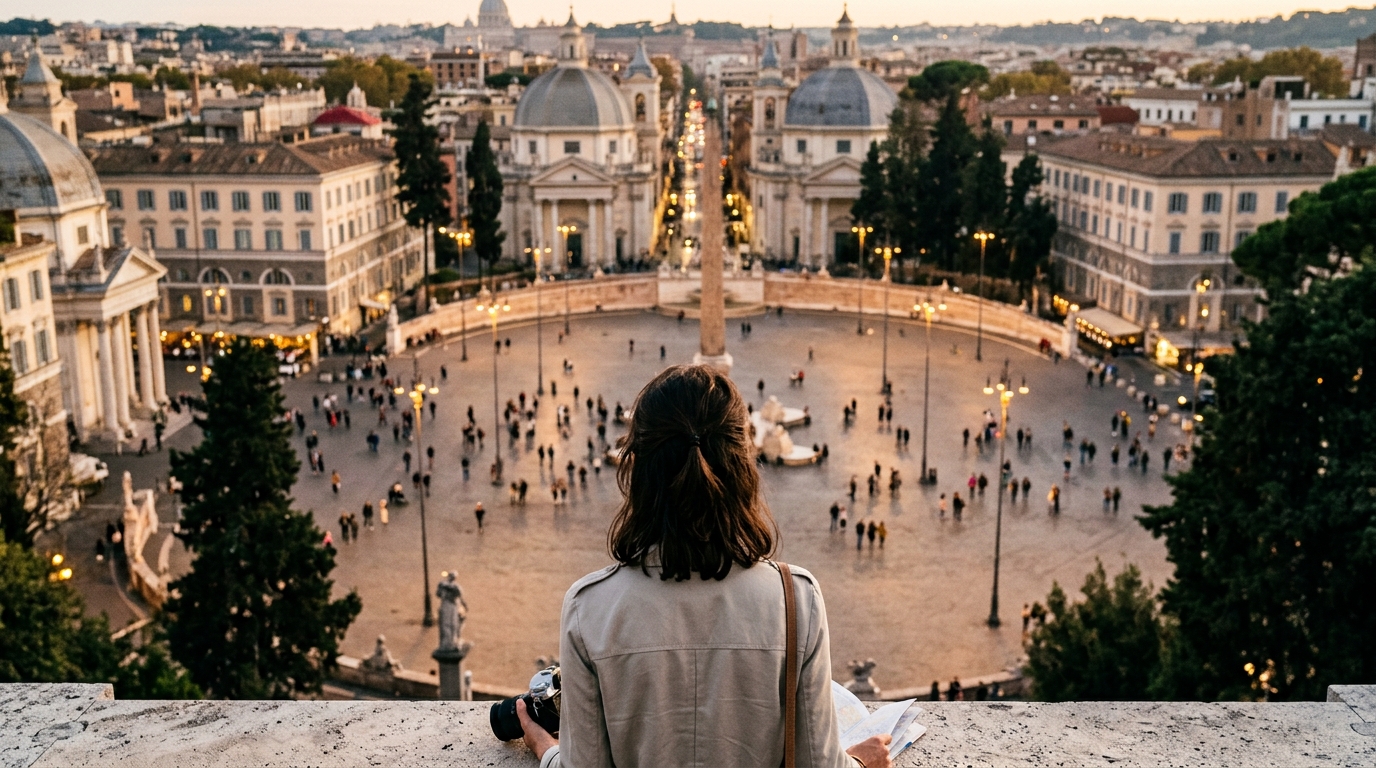
Piazza del Popolo serves as the grand northern gateway to Rome, acting as a critical hub for both historical exploration and modern transit. According to recent tourism data, this specific square sees millions of visitors annually, making it one of the most congested yet rewarding areas in the city. Understanding the layout and immediate surroundings is essential for maximizing your time in the Eternal City. This guide details the top attractions, dining options, and logistical tips for navigating this iconic location effectively. (Museo Leonardo da Vinci)
Why Piazza del Popolo is the Ideal Starting Point
The Piazza del Popolo is not merely a square; it is a monumental amphitheater designed to impress. Flanked by two identical baroque churches, Santa Maria dei Miracoli and Santa Maria in Montesanto, the space offers a symmetrical architectural experience that is rare in Rome. The central Egyptian obelisk, known as the Flaminio Obelisk, stands as a focal point that has anchored the square since the 19th century.
For travelers arriving by train, the area is incredibly accessible. The nearest major railway hub, Roma Termini, is just a short walk or tram ride away. This connectivity makes the piazza the perfect first stop for any itinerary. You can immediately immerse yourself in the atmosphere before heading deeper into the historic center. The square also hosts regular events, markets, and concerts, adding a dynamic layer to the static history.
Understanding the geography here is simple. The piazza opens up into three streets, known as the "Trident." These are Via del Babuino, Via del Corso, and Via di Ripetta. Each arm leads to a different part of Rome, allowing you to branch out in any direction based on your interests. Whether you prefer high-end shopping, ancient ruins, or artistic museums, the piazza provides a logical starting coordinate.
Exploring the Museo Leonardo da Vinci
One of the most unique cultural assets in the immediate vicinity is the Museo Leonardo da Vinci. Located in the underground vaults of the Basilica Santa Maria del Popolo, this museum offers an intimate look at the genius of Leonardo da Vinci. The museum is the most popular dedicated Leonardo museum in Rome, attracting art enthusiasts who want to see detailed models of his inventions and anatomical studies.
Leonardo da Vinci is a polymath who excelled in painting, engineering, and anatomy. His work bridges the gap between art and science, a theme heavily featured in this museum. While you will not see original paintings like the Mona Lisa here, the interactive exhibits provide a deeper understanding of his creative process. The underground setting adds a sense of discovery, as you descend into the historic vaults to find these treasures.
The museum is an excellent stop for families and students. It breaks down complex concepts into accessible visual formats. You can explore his designs for flying machines, war engines, and hydraulic systems. This experience complements a visit to the basilica above, which houses several important artworks by Caravaggio and Raphael. Combining these two sites provides a comprehensive view of Renaissance culture in Rome.
Visiting the museum requires a bit of planning, as it is located within a working church complex. However, the effort is rewarded with a quiet, educational experience away from the crowds of the main square. It serves as a perfect counterbalance to the bustling energy of the piazza above. For more information on hours and ticketing, you can visit the official museum website.
Walking the Trident: Via del Corso and Beyond
The three streets radiating from the piazza are known as the Trident. The central arm, Via del Corso, is one of Rome's main shopping streets. It connects the piazza directly to the Piazza Venezia and the Roman Forum. This thoroughfare has been a major artery for centuries, hosting everything from ancient chariot races to modern fashion shows.
Shopping on Via del Corso offers a mix of international brands and historic Italian stores. The street is lined with elegant 19th-century buildings that house department stores and boutiques. It is a pedestrian-friendly zone for most of its length, making it easy to browse at your own pace. The architecture along the street is a testament to Rome's urban development during the late 1800s.
To the north, Via del Babuino leads toward the Spanish Steps. This street is known for its antique shops and art galleries. It was famously depicted in the film "Roman Holiday," adding to its romantic allure. The street connects to the Piazza del Popolo via the Ponte Sisto, a bridge that offers beautiful views of the Tiber River.
On the right, Via di Ripetta leads to the Trevi Fountain and the Pantheon. This route takes you through the historic Trastevere district and along the riverbank. It is a more scenic and less commercialized path compared to Via del Corso. Walking this arm allows you to experience the daily life of Romans, from local markets to riverside cafes.
The Pincio Hills and Villa Borghese
Behind the Piazza del Popolo lies the Pincio Hill, a public garden that offers panoramic views of the city. The terrace provides one of the best sunset spots in Rome, overlooking the historic center. The hill is part of the larger Villa Borghese park, which is the largest public park in Rome. It serves as a green lung for the city and a favorite spot for locals to relax.
The gardens are beautifully landscaped with fountains, statues, and winding paths. You can find the Pincio Terrace, which is a wide promenade perfect for a leisurely stroll. The view from here includes the dome of St. Peter's Basilica in the distance. It is a peaceful retreat from the noise of the streets below.
Villa Borghese itself is home to several museums, including the Galleria Borghese. This gallery houses a significant collection of sculptures by Bernini and paintings by Raphael and Titian. Access to the gallery requires a timed ticket, so planning ahead is essential. The park also features a lake where you can rent rowboats, a popular activity for families.
The connection between the piazza and the park is seamless. You can walk directly from the square up the steps to the Pincio. This proximity makes it easy to combine urban exploration with nature. The area is also home to the Bioparco di Roma, a zoo that is well-regarded for its conservation efforts.
Dining and Cafes with Historic Views
Food is a central part of the Roman experience, and the Piazza del Popolo area offers diverse dining options. From historic cafes to modern restaurants, there is something for every taste and budget. The area is particularly known for its gelaterias and aperitivo spots.
For a classic Roman experience, visit one of the cafes on the piazza. These establishments have hosted artists, writers, and politicians for over a century. Enjoying a coffee or an aperitivo here allows you to people-watch and soak in the atmosphere. The views of the obelisk and the churches are unmatched.
For dinner, consider walking down Via del Babuino or into the nearby Via Veneto. Via Veneto was once the haunt of Hollywood stars and remains a glamorous street with upscale dining. The food here tends to be more international, reflecting the area's tourist-friendly nature. However, you can still find excellent traditional Italian cuisine in the side streets.
It is advisable to make reservations for dinner, especially during peak tourist seasons. The demand for tables with views is high. Many restaurants offer set menus that provide good value for the location. Exploring the local neighborhoods just outside the piazza can also lead to hidden gems with authentic flavors.
Attraction Comparison and Logistics
Planning your visit requires understanding the logistics of each attraction. The table below summarizes the key details for the top sites near the Piazza del Popolo.
| Attraction | Distance from Piazza | Best Time to Visit | Key Feature | Cost Estimate |
|---|---|---|---|---|
| Museo Leonardo da Vinci | Underground in Basilica | Morning | Interactive Inventions | €15-20 |
| Villa Borghese Park | 2 min walk | Afternoon | Green Spaces & Lake | Free |
| Galleria Borghese | 5 min walk | Timed Slot | Art Collection | €20 |
| Spanish Steps | 10 min walk | Sunset | Iconic Landmark | Free |
| Trevi Fountain | 15 min walk | Early Morning | Baroque Fountain | Free |
Key Takeaways
- The Piazza del Popolo is a major transit hub, connecting directly to Roma Termini station via tram or walk.
- The Museo Leonardo da Vinci is located in the underground vaults of Santa Maria del Popolo, offering unique interactive exhibits.
- Via del Corso is the main shopping artery, leading directly to the Roman Forum and Piazza Venezia.
- Villa Borghese is the largest public park in Rome, featuring the Galleria Borghese and a boating lake.
- The Pincio Terrace offers the best sunset views over the historic center of Rome.
- Reservations are essential for the Galleria Borghese and popular dinner spots in the area.
- The area is highly walkable, with the Spanish Steps and Trevi Fountain within easy reach.
Frequently Asked Questions
Is the Museo Leonardo da Vinci worth visiting?
Yes, it is highly recommended for those interested in Renaissance history. The museum provides a detailed look at Leonardo's inventions and anatomical studies in an intimate underground setting. It is less crowded than the major art galleries, allowing for a more focused experience.
How do I get to the Spanish Steps from Piazza del Popolo?
You can walk to the Spanish Steps in about 10 to 15 minutes. Simply head down Via del Babuino, which leads directly to the base of the steps. The walk is scenic and passes through several historic streets.
What is the best time to visit Villa Borghese?
The best time is late afternoon for sunset views from the Pincio Terrace. However, visiting in the morning is better for avoiding crowds at the Galleria Borghese. The park is open daily, but gallery hours vary.
Are there good restaurants near the piazza?
Yes, there are numerous dining options ranging from casual cafes to upscale restaurants. Via Veneto and Via del Babuino offer a variety of choices. It is advisable to check reviews and make reservations in advance.
Is the area safe for tourists?
The Piazza del Popolo and surrounding areas are generally safe and well-patrolled. However, as with any major tourist destination, be aware of your surroundings and watch for pickpockets in crowded areas. The main streets are busy and lively day and night.
Can I see the Mona Lisa near the piazza?
No, the original Mona Lisa is located in the Louvre Museum in Paris. However, you can see high-quality reproductions and studies of her at the Museo Leonardo da Vinci in Rome. The museum focuses on Leonardo's broader work, including his scientific and engineering achievements.
What is the significance of the obelisk in the piazza?
The Egyptian obelisk, known as the Flaminio Obelisk, is the oldest object in the piazza. It was erected in 1822 and serves as a central focal point. It was originally brought to Rome by the Emperor Caligula and has stood in various locations throughout history.
Plan Your Visit
Ready to explore the northern gateway of Rome? Start your journey at the Piazza del Popolo and discover the rich history and culture that surrounds it. For more information on the Museo Leonardo da Vinci and to book your tickets, visit museodavinci.it. Whether you are interested in art, history, or simply enjoying the atmosphere, this area offers an unforgettable experience. Plan your itinerary today and immerse yourself in the heart of Rome.