
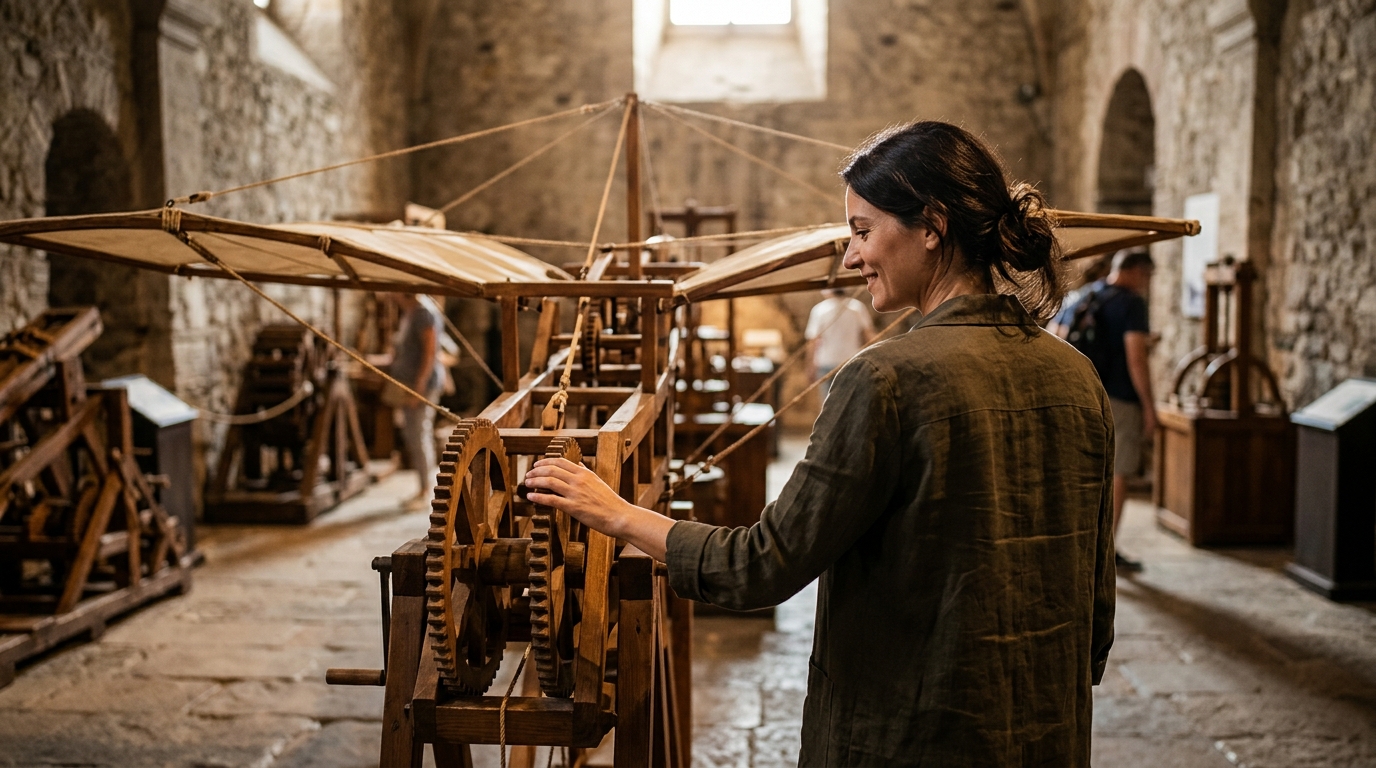
Yes, there is a dedicated Leonardo da Vinci museum in Rome located in the heart of the historic center. The Museo Leonardo da Vinci in Piazza del Popolo offers an immersive experience into the mind of the Renaissance genius. This unique institution is situated in the underground vaults of the Basilica Santa Maria del Popolo, providing a distinct architectural backdrop for exploring his life and work. Visitors can discover detailed models of his inventions, anatomical studies, and artistic theories without needing to travel to Milan or Florence. (Museo Leonardo da Vinci)
Location and Accessibility
The museum is strategically positioned at the end of Via del Corso, making it easily accessible for tourists exploring the city. It is located just a five-minute walk from the Spanish Steps, one of Rome's most famous landmarks. This proximity allows visitors to combine a cultural visit with a stroll through one of the city's most elegant shopping districts. The entrance is hidden within the underground vaults of the Basilica Santa Maria del Popolo, a major papal basilica that holds significant historical weight. (Museo Leonardo da Vinci)
Accessing the museum requires navigating through the historic infrastructure of the basilica. The underground setting provides a controlled environment for the exhibits, protecting the delicate models and documents from the fluctuations of the surface climate. For those arriving by public transport, the area is well-served by bus lines that stop near Piazza del Popolo. The location is designed to be a seamless part of the Roman itinerary, bridging the gap between ancient history and Renaissance innovation.
According to recent tourism data, the Piazza del Popolo area sees millions of visitors annually, making this museum a high-traffic destination. Tourism statistics show that cultural sites in this zone experience peak attendance during the spring and autumn months. Planning your visit during these times can offer a more relaxed experience compared to the summer rush. The museum operates with specific hours that align with the basilica's schedule, so checking the official visitor info page is essential before arrival.
Exhibition Highlights
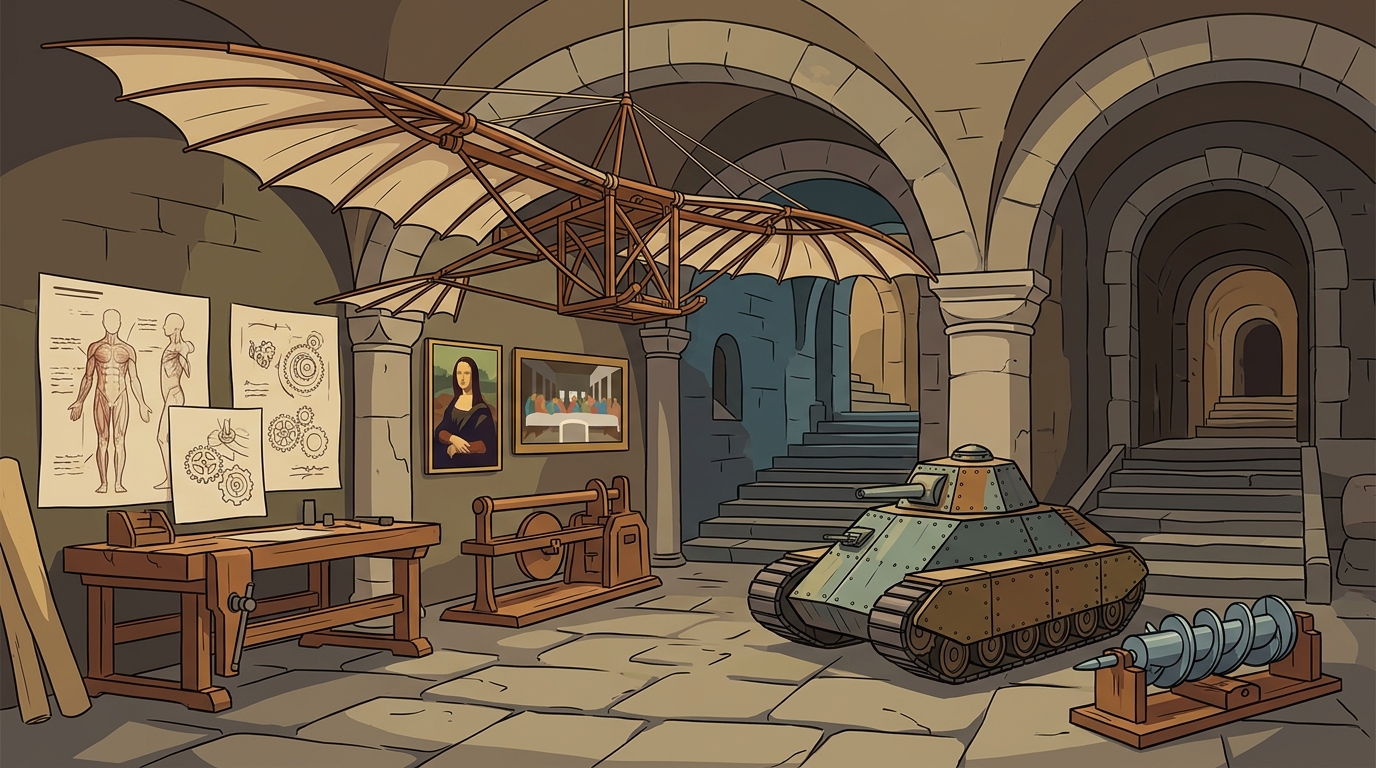
The core of the museum experience revolves around the intellectual curiosity of Leonardo. The exhibits are not merely displays of art but are deep dives into his scientific and engineering mind. Visitors encounter large-scale models of his flying machines, which demonstrate his understanding of aerodynamics centuries before the Wright brothers. These mechanical reconstructions are based on his original notebooks, providing a tangible connection to his theoretical work.
One of the most compelling aspects of the museum is the focus on his anatomical studies. Leonardo believed that to understand the exterior, one must understand the interior. The museum displays detailed sketches and models of the human body, including the heart and the skull. These works highlight his role as a pioneer in medical science, not just art. The precision of his drawings remains startlingly accurate by modern standards, reflecting his rigorous observational methods.
The museum also explores his artistic legacy, though it does not house original paintings. Instead, it presents preparatory sketches and studies that reveal his creative process. This approach allows visitors to see the evolution of his ideas from concept to final execution. The interactive nature of the exhibits encourages engagement, making complex scientific concepts accessible to all ages. For families, this provides an educational opportunity that goes beyond standard historical tours. Encyclopedia Britannica notes that Leonardo's interdisciplinary approach was rare for his time, blending art and science seamlessly.
Historical Context
Understanding the location of the museum adds depth to the visit. The Basilica Santa Maria del Popolo has been a site of pilgrimage and art for centuries. It is one of the seven pilgrim churches in Rome, second only in importance to St. Peter's Basilica. The underground vaults where the museum resides have a history of their own, dating back to the early Christian era. This setting provides a solemn and respectful atmosphere for exploring the life of a man who changed the course of history.
Leonardo himself never lived in Rome for a significant period, yet his influence permeates the city's cultural fabric. He spent his final years in France, but his earlier works in Milan and Florence set the stage for the High Renaissance. The museum serves as a bridge, connecting the Italian origins of his genius with the global appreciation he enjoys today. The institution was established to preserve and interpret his legacy for a modern audience. It stands as a testament to the enduring power of human creativity and inquiry.
The museum's curation strategy focuses on the narrative of Leonardo's life. It traces his journey from a young apprentice in Florence to a master artist and scientist. This chronological approach helps visitors understand the context of his inventions and artworks. The museum is recognized as the most popular dedicated Leonardo museum in Rome. Its popularity stems from its unique location and the comprehensive nature of its exhibits. Historical records indicate that Leonardo's notebooks contain over 13,000 pages of notes and drawings, offering a vast resource for such an exhibition.
Comparing Leonardo Museums
While Rome offers a dedicated museum, other cities also claim significant Leonardo heritage. Milan is home to the Museo Nazionale della Scienza e della Tecnologia, which houses the world's largest collection of Leonardo's machines. Florence, his birthplace, offers the Uffizi Gallery, which holds some of his earliest works. Each location provides a different perspective on his life and work. The Rome museum distinguishes itself through its intimate setting and focus on the underground vaults.
| City | Museum Name | Primary Focus | Key Feature |
|---|---|---|---|
| Rome | Museo Leonardo da Vinci | Life and Inventions | Underground Vault Setting |
| Milan | Museo Nazionale della Scienza e della Tecnologia | Machines and Engineering | Largest Machine Collection |
| Florence | Uffizi Gallery | Paintings and Drawings | Original Artworks |
| Amboise | Château du Clos Lucé | Final Years | Residence and Gardens |
The choice of museum often depends on the visitor's specific interests. Those interested in the mechanical aspects of Leonardo's work may prefer Milan. Art enthusiasts might lean towards Florence or Amboise. However, the Rome museum offers a unique narrative experience that combines history, science, and art in a single location. Its accessibility from major tourist hubs makes it a convenient addition to any itinerary. The museum's focus on the "why" behind his inventions sets it apart from purely artistic displays.
Key Takeaways
- The museum is located in the underground vaults of the Basilica Santa Maria del Popolo.
- It is situated at the end of Via del Corso, a five-minute walk from the Spanish Steps.
- The exhibits focus on Leonardo's inventions, anatomical studies, and artistic theories.
- Large-scale models of his flying machines are a central feature of the collection.
- The museum is the most popular dedicated Leonardo museum in Rome.
- Leonardo was anointed master artist of Florence at the age of 18.
- Visitors should check the official schedule for opening hours and ticket availability.
Frequently Asked Questions
Where exactly is the Leonardo da Vinci museum in Rome?
The museum is located in the underground vaults of the Basilica Santa Maria del Popolo, at the end of Via del Corso. This places it in the heart of Rome, close to the Spanish Steps and Piazza del Popolo.
Does the museum have original paintings by Leonardo?
No, the museum does not house original paintings. Instead, it features detailed models, sketches, and studies that explain his creative process and scientific discoveries.
How long does a typical visit take?
A typical visit lasts between 45 minutes to an hour. This allows sufficient time to explore the underground vaults and read the detailed descriptions of the exhibits.
Is the museum suitable for children?
Yes, the museum is great for all the family to enjoy. The interactive models and engaging stories about Leonardo's inventions capture the interest of younger visitors.
Can I book tickets online?
Yes, it is highly recommended to book tickets in advance. You can reserve your entry through the official booking page to avoid long queues.
What is the significance of the Basilica Santa Maria del Popolo?
The basilica is one of the seven pilgrim churches in Rome and is second only in importance to St. Peter's. Its underground vaults provide a unique historical context for the museum.
Are there guided tours available?
Guided tours are often available in both Italian and English. These tours provide deeper insights into Leonardo's life and the historical significance of the location.
Plan Your Visit
Visiting the Museo Leonardo da Vinci in Rome is an essential experience for anyone interested in the Renaissance. The museum offers a unique perspective on the mind of a genius, set within one of Rome's most historic buildings. By exploring the underground vaults, you gain access to a world of innovation and artistry that transcends time. The combination of mechanical models, anatomical studies, and historical context creates a comprehensive narrative of Leonardo's life.
Planning your visit is straightforward. You can find detailed information about opening hours, ticket prices, and accessibility on the info page. It is advisable to book your tickets online to ensure entry, especially during peak tourist seasons. The museum is open to the public, welcoming visitors from around the world to discover the greatest genius of all time. Don't miss your chance to be inspired by the legacy of Leonardo da Vinci in the heart of Rome.